




Fast tenant turnover often leaves property managers racing against time to restore walls and prepare units for new occupants. Delays can increase vacancy costs, frustrate incoming tenants, and leave a property looking unkempt. Fortunately, with efficient techniques and smart planning, walls can be repaired, prepped, and painted quickly without sacrificing quality.
This guide provides a step-by-step approach to restoring walls quickly between tenants, helping property managers maintain their properties and impress new residents.
Why Speed Matters in Wall Restoration
- Minimizes Vacancy Costs: Empty units generate no income; fast wall restoration reduces downtime.
- Maintains Property Appeal: Fresh, well-painted walls create a welcoming environment for incoming tenants.
- Prevents Long-Term Damage: Addressing minor dents, scratches, and scuffs promptly prevents them from worsening.
- Streamlines Maintenance Operations: Efficient processes free property managers to focus on leasing and tenant services.
Speed and efficiency are critical for successful property management.
Step 1: Conduct a Quick Wall Assessment
- Walk Through the Unit: Identify nail holes, dents, scuffs, cracks, and stains.
- Categorize Repairs: Minor wear can be touched up; moderate damage may require partial repainting.
- Take Notes: Document damaged areas for repair planning and budgeting.
- Prioritize High-Impact Surfaces: Focus on entryways, kitchens, bathrooms, and living areas for maximum visual impact.
A focused assessment ensures no time is wasted on unnecessary repairs.
Step 2: Efficient Surface Preparation
- Clean Walls Quickly: Remove dirt, dust, and grease using mild cleaners or damp cloths.
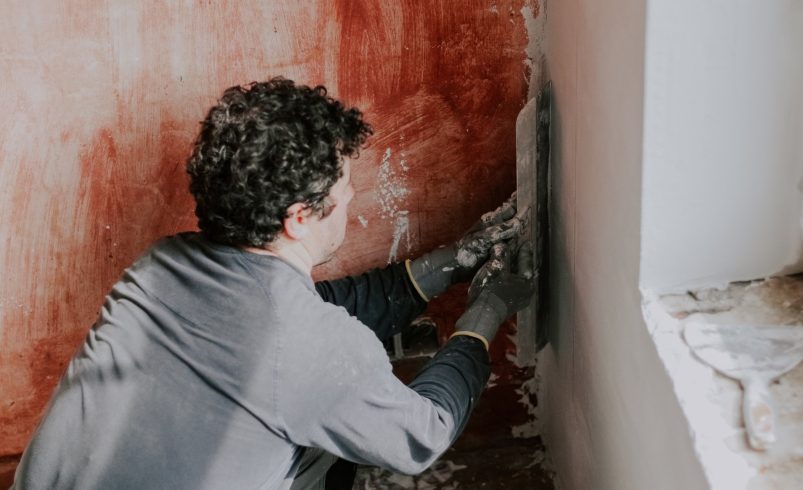
- Fill Holes and Dents: Use spackle or wall putty for small imperfections; patch larger holes with drywall pieces.
- Sand Repaired Areas: Light sanding ensures smooth, paint-ready surfaces.
- Prime if Needed: Fast-drying primer ensures repaired spots blend seamlessly with surrounding walls.
Proper prep reduces the likelihood of touch-ups or rework after painting.
Step 3: Choose Fast-Drying, High-Quality Paint
- Quick-Dry Latex Paints: Multiple coats can often be applied in one day.
- High-Coverage Formulas: Reduce the number of coats required for full coverage.
- Durable, Washable Paints: Withstand minor tenant wear and frequent cleaning.
- Neutral Colors: Beige, gray, and soft whites appeal to most tenants and hide imperfections.
The right paint saves time and ensures long-lasting, professional results.
Step 4: Optimize Painting Workflow
- Segment Rooms for Efficiency: Paint one wall at a time or tackle similar areas across multiple units simultaneously.
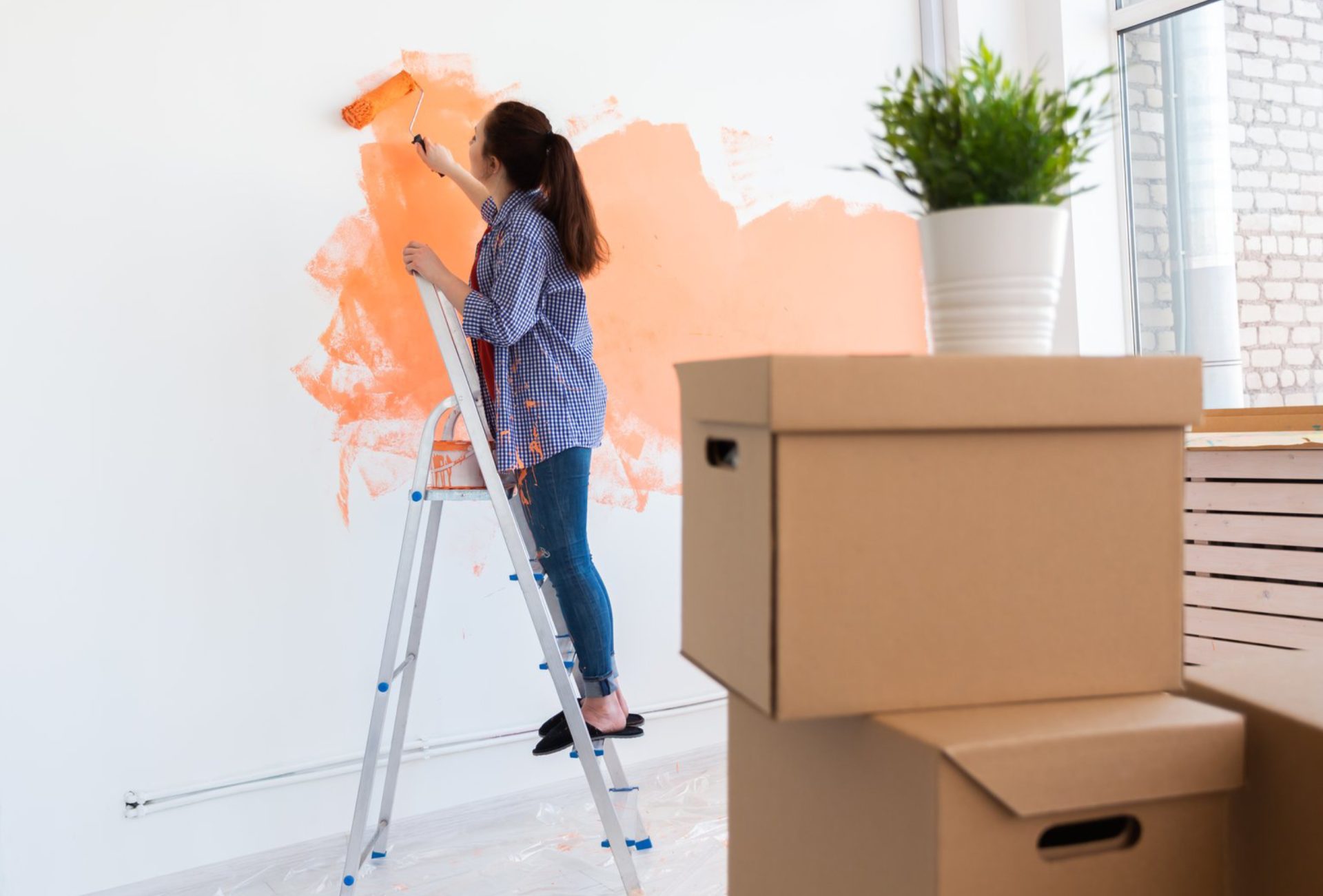
- Use Rollers for Large Surfaces: Speeds up coverage and ensures smooth, even application.
- Brush for Trim and Detail Work: Clean lines along baseboards, doors, and windows maintain a professional finish.
- Feather Edges for Partial Walls: Blend new paint seamlessly with existing surfaces when only touching up sections.
Optimized workflows maximize speed while maintaining quality.
Step 5: Reduce Drying Time
- Control the Environment: Use fans, portable heaters, or dehumidifiers to accelerate drying.
- Apply Thin Coats: Faster drying and more even finishes.
- Coordinate Coat Timing: Apply successive coats strategically to minimize idle time.
- Quick-Set Products: Fast-drying primers and paints reduce overall project duration.
Proper drying techniques ensure units are ready for tenants sooner.
Step 6: Minimize Disruption and Maintain Safety
- Protect Floors and Furniture: Use drop cloths, masking tape, and plastic coverings.
- Communicate with Tenants: If units are partially occupied, inform tenants about restricted areas and work schedules.
- Use Non-Toxic, Low-VOC Paints: Safe for tenants, staff, and contractors.
- Keep Tools Organized: Reduces setup time and prevents accidents.
Minimizing disruption helps maintain tenant satisfaction and a professional image.
Step 7: Prevent Future Wear
- Durable Finishes: Semi-gloss or satin paints resist scratches and stains.
- Wall Protectors: Install bumpers or guards in high-traffic areas.
- Routine Maintenance: Inspect units regularly to address minor issues before they escalate.
- Tenant Guidelines: Encourage careful handling of walls and furniture.
Preventive strategies reduce restoration time for future tenants.
Step 8: Leverage Professional Services
- Efficient Multi-Unit Restoration: Professionals can handle multiple units quickly and effectively.
- Seamless Repair and Painting: Experienced teams repair damage and paint with minimal downtime.
- Color Matching Expertise: Ensures touch-ups blend perfectly with existing walls.
- Maintenance Planning: Schedule routine touch-ups to maintain long-term property value.
Partnering with experts like Chicagoland Paint Pro ensures rapid, high-quality wall restoration.
Chicagoland Paint Pro Advantage
Chicagoland Paint Pro offers fast, professional wall restoration services:
- Comprehensive Damage Assessment: Quickly identifies problem areas.
- Efficient Repairs and Touch-Ups: Fix minor and moderate damage with minimal downtime.
- Durable, Fast-Drying Paints: Units are ready for new tenants quickly.
- Tenant-Friendly Execution: Minimal disruption and clear communication.
With our expertise, property managers can restore walls efficiently, maintain property value, and impress incoming tenants.
Conclusion
Restoring walls quickly between tenants is essential for reducing vacancy, maintaining property appeal, and streamlining operations. With proper assessment, fast repairs, quality paint, efficient workflows, and professional support, units can be ready for occupancy in record time.
Partnering with Chicagoland Paint Pro ensures property managers achieve fast, high-quality results, maintain tenant satisfaction, and protect their investment.