




Painting a newly constructed home is a unique opportunity. Unlike older homes, new construction often comes with pristine walls, fresh drywall, and blank canvases that allow you to implement your vision from the ground up. However, careful planning and preparation are critical to achieving a flawless, long-lasting finish.
This guide provides step-by-step advice for planning and executing perfect painting projects for new construction homes.
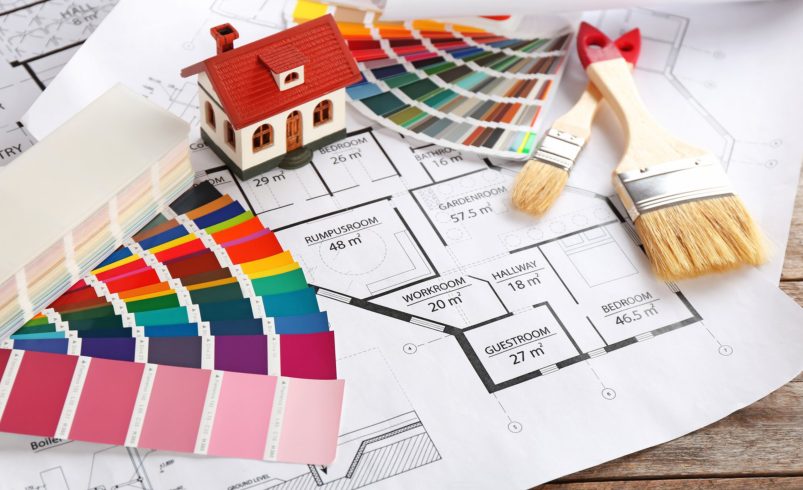
1. Start With a Clear Plan
- Timeline: Schedule painting after drywall installation, texturing, and any necessary sanding.
- Room-by-Room Plan: Decide which rooms to paint first and in what order. Typically, ceilings and high-traffic areas come first.
- Budget: Factor in paint, primer, tools, labor, and additional costs for specialty finishes or accent walls.
- Color Scheme: Choose a cohesive palette for interior and exterior spaces that suits the home’s design style.
Chicagoland Paint Pro Tip: Planning ahead avoids costly mistakes and delays, ensuring a polished final look.
2. Choose the Right Paint and Primer
- Priming New Walls: New drywall requires primer to seal porous surfaces and ensure even paint coverage.
- Paint Selection:
- Eggshell or Satin: Ideal for living rooms, bedrooms, and hallways.
- Semi-Gloss: Perfect for kitchens, bathrooms, doors, and trims.
- Flat/Matte: Ceilings hide imperfections and provide a smooth finish.
- High-Quality Paints: Use durable, low-VOC paints for a healthier indoor environment and long-lasting color.
3. Surface Preparation
- Clean Surfaces: Remove dust and debris from drywall sanding.
- Patch Imperfections: Fill nail holes, seams, or minor cracks for smooth walls.
- Sand and Smooth: Sand walls lightly after priming to remove any bumps or rough patches.
- Masking and Protection: Cover floors, cabinets, and fixtures to prevent accidental splatters.
4. Plan for Efficient Painting Workflow
- Ceilings First: Avoid drips on freshly painted walls.
- Walls Second: Roll large surfaces for speed and uniformity.
- Trims and Doors Last: Cut-in edges with brushes or sprayers for precise finish.
- Use Teams: Multiple painters can work in parallel to speed up the project without sacrificing quality.
5. Color Coordination and Interior Design
- Neutral Base Colors: Create flexibility and appeal for future homeowners or tenants.
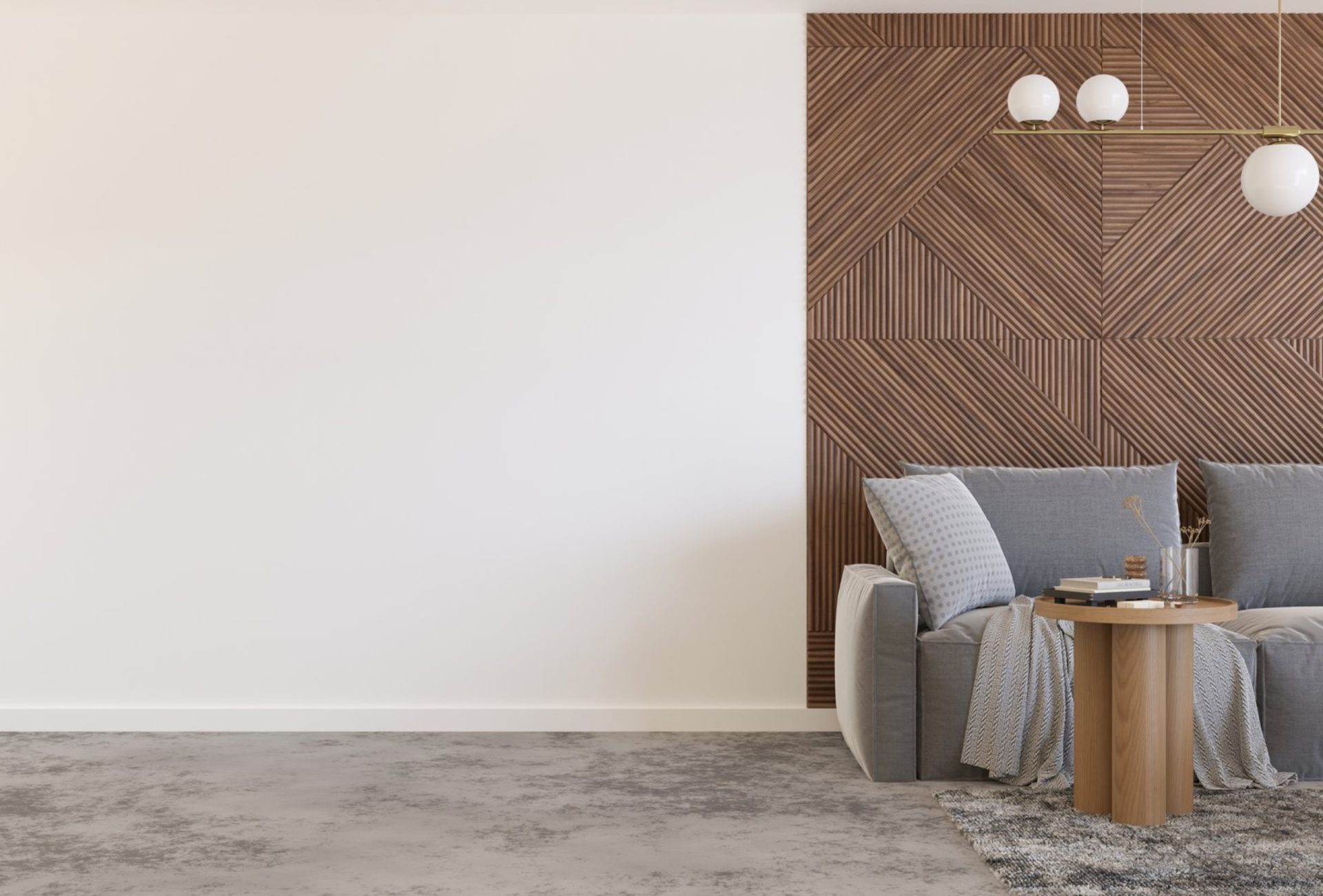
- Accent Walls: Use bold or rich tones to add visual interest without overwhelming the space.
- Room Function: Bedrooms and living areas may benefit from warmer tones, while kitchens and bathrooms can have cooler or brighter colors.
- Lighting Considerations: Natural and artificial lighting affect how paint appears, so test samples in each room.
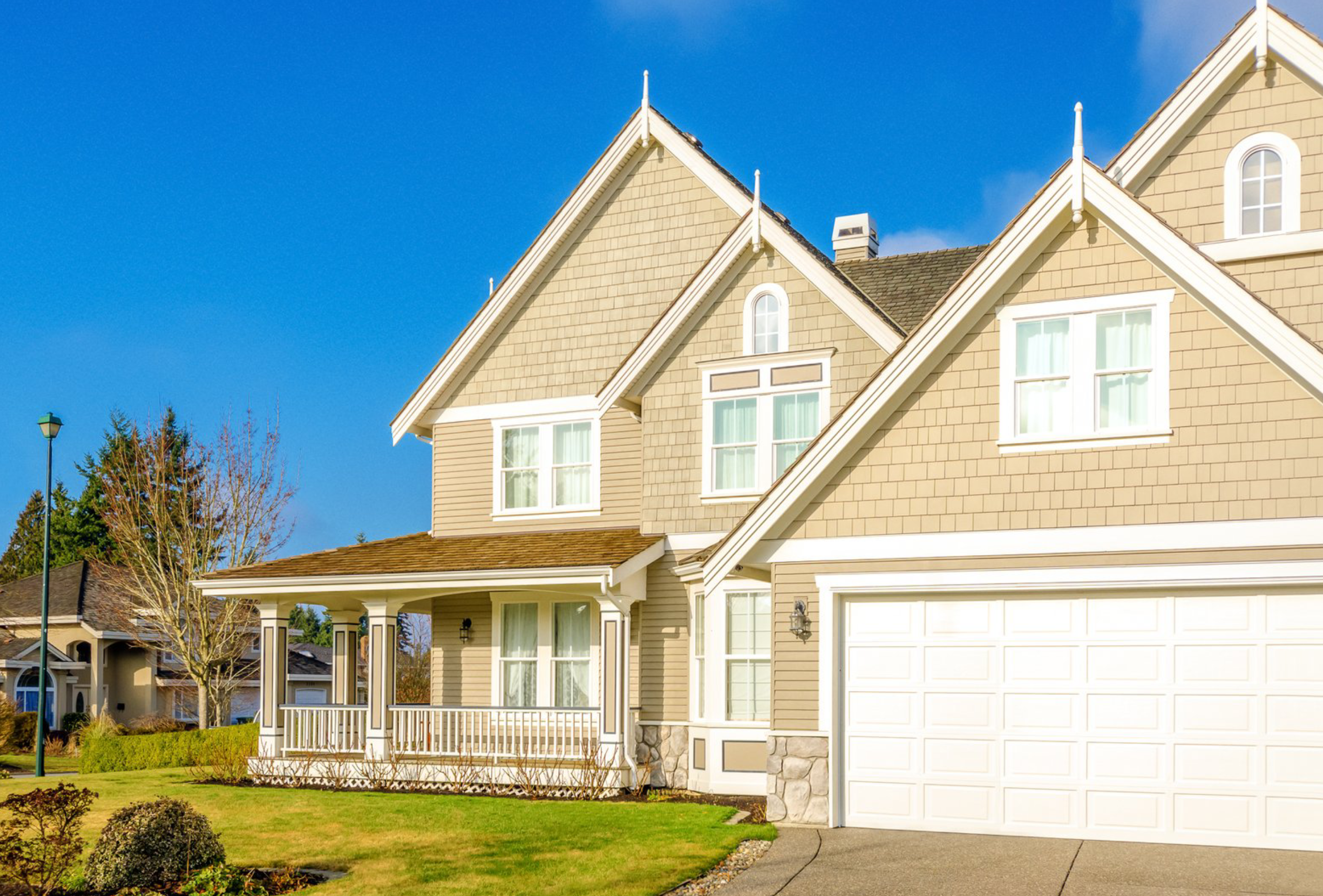
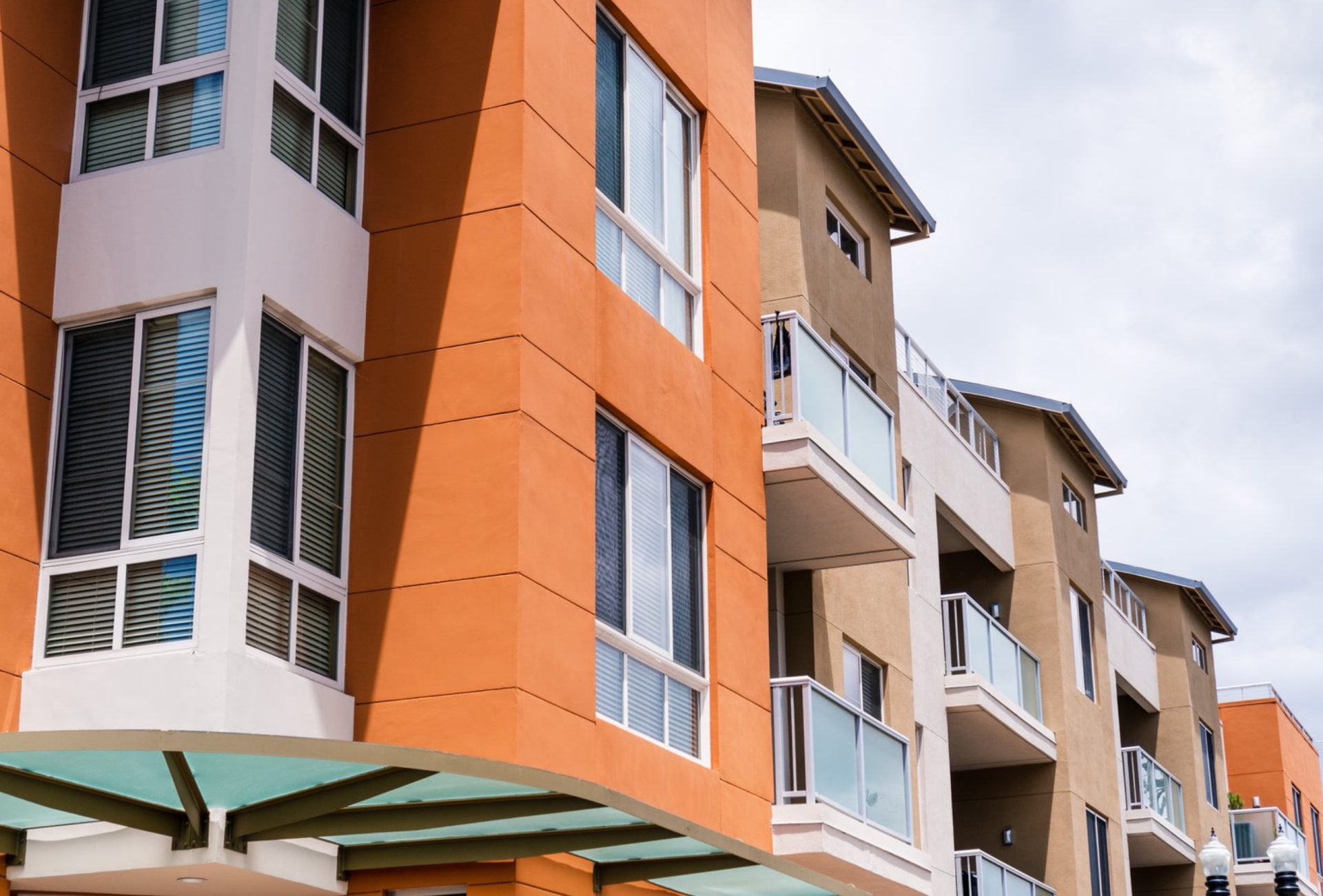
6. Exterior Painting Considerations
- Weatherproofing: Use exterior-grade paints with UV protection, mildew resistance, and durability.
- Surface Types: Match paint to siding, brick, stucco, or trim for optimal adhesion.
- Color Harmony: Coordinate with roofing, landscaping, and architectural style for cohesive curb appeal.
- Detail Work: Trim, shutters, and doors can enhance the exterior when painted thoughtfully.
7. Common Mistakes to Avoid
- Skipping primer, leading to uneven coverage
- Rushing the project without proper surface prep
- Ignoring lighting differences when choosing interior colors
- Using low-quality paints that fade or peel quickly
- Failing to plan workflow, causing drips, overlaps, or missed spots
8. Final Thoughts
Painting a new construction home offers the chance to create a flawless, professional-looking space from scratch. By carefully planning the project, choosing the right colors and finishes, and prioritizing prep and workflow, homeowners can ensure stunning results that last for years.
Whether tackling the interior or exterior, meticulous attention to detail, high-quality materials, and a structured approach to painting guarantee that your new home looks polished, cohesive, and ready for occupancy.