

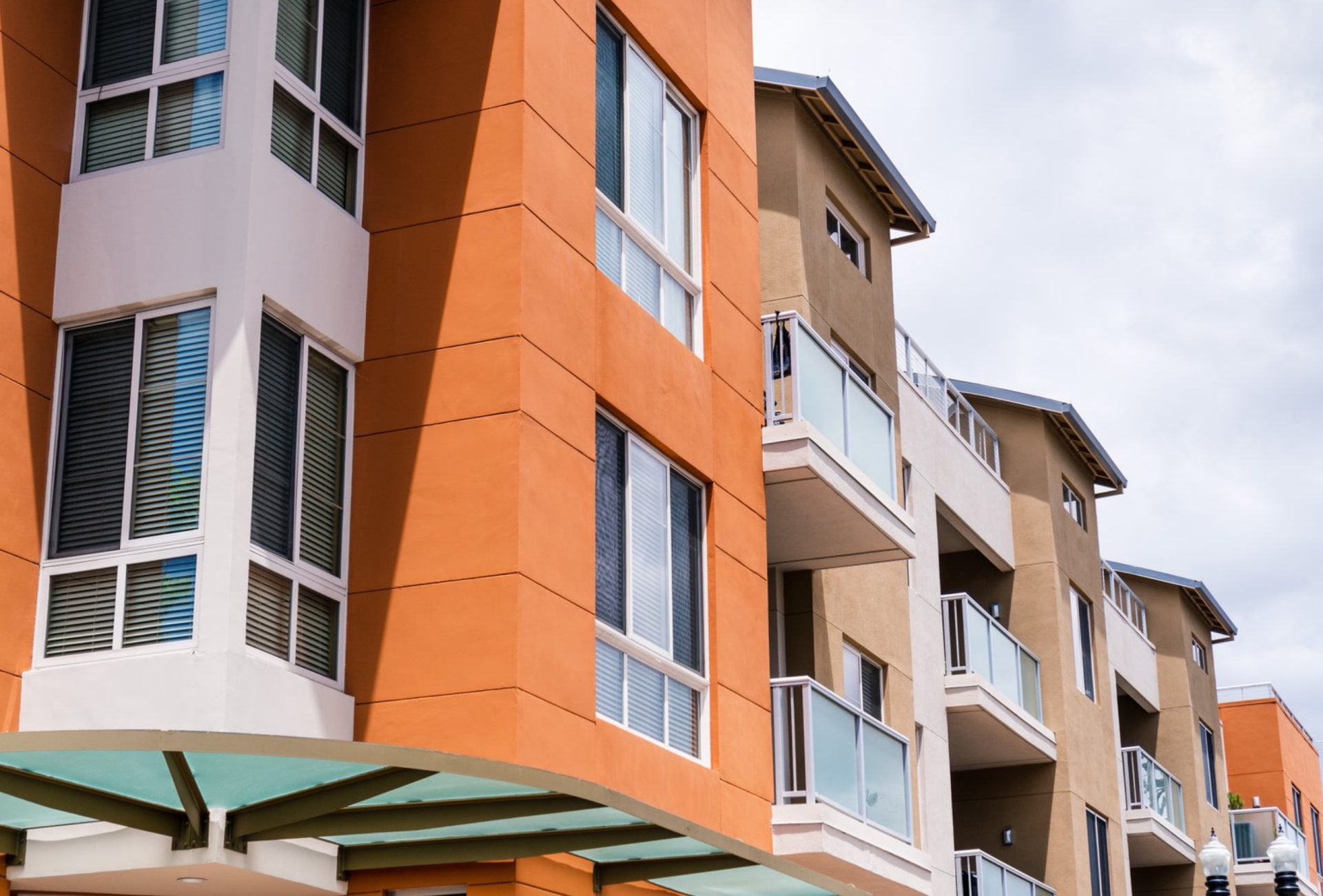





For property managers, long-term planning of painting projects is essential to maintain property value, reduce unexpected repair costs, and keep residents satisfied. Unlike quick touch-ups, long-term projects require strategic scheduling, budgeting, and coordination across multiple units or buildings. Proper planning ensures consistency, durability, and minimal disruption to tenants.
This guide outlines step-by-step strategies for planning and executing long-term painting projects for managed properties, including multi-unit buildings, HOAs, and rental complexes.
Why Long-Term Painting Plans Matter
- Protects Investment: Well-maintained paint preserves surfaces, prevents moisture infiltration, and reduces structural damage over time.
- Optimizes Budgeting: Planning ahead allows for accurate cost estimates, minimizing surprises in labor and material expenses.
- Ensures Consistency: Standardized colors and finishes across units or buildings create a professional appearance.
- Minimizes Tenant Disruption: Phased schedules reduce interference with tenants’ daily lives.
Step 1: Conduct a Comprehensive Property Assessment
- Inspect All Units and Buildings: Evaluate interior and exterior surfaces for wear, fading, peeling, or water damage.
- Document Condition: Take photos, note problem areas, and record dimensions for accurate material estimates.
- Prioritize Needs: Identify high-impact areas that require immediate attention versus surfaces that can wait for later phases.
- Consider Seasonal Factors: Plan around weather, avoiding exterior painting during Chicago’s harsh winters or humid summer days.
A thorough assessment forms the foundation for an effective long-term painting plan.
Step 2: Define the Project Scope
- Interior vs. Exterior: Determine whether the focus is on interior unit touch-ups, full repaints, or exterior surfaces.
- Unit Count and Common Areas: Include hallways, lobbies, stairwells, balconies, and amenity spaces.
- Surface Types: Identify walls, trim, doors, metal, wood, and masonry to select the appropriate paints and finishes.
- Special Considerations: Address moisture-prone areas, older buildings with multiple paint layers, or unique architectural features.
Clearly defining the scope ensures accurate budgeting, material selection, and scheduling.
Step 3: Develop a Phased Timeline
- Phase by Priority: Start with areas that are most visible or most worn.
- Coordinate by Building or Floor: For multi-unit complexes, schedule phases to reduce tenant disruption and allow drying time between units.
- Account for Seasonal Constraints: Schedule exterior painting during dry, moderate-weather periods.
- Plan Contingencies: Allow buffer time for unexpected repairs, weather delays, or supply shortages.
Phased timelines keep projects organized and manageable, even for large properties.
Step 4: Budget Accurately
- Estimate Material Costs: Include paint, primers, sealants, brushes, rollers, drop cloths, and protective equipment.
- Labor Costs: Account for painters, contractors, and project managers.
- Unexpected Repairs: Allocate funds for surface prep, patching, or moisture damage repairs.
- Maintenance Reserves: Include future touch-up expenses in long-term planning.
A realistic budget prevents cost overruns and ensures smooth project execution.
Step 5: Select Quality Materials
- Durable Interior Paints: Use washable, low-VOC paints for interiors to withstand tenant wear.
- Weather-Resistant Exterior Paints: Opt for paints that endure Chicago’s wind, snow, sun, and humidity.
- Primer and Sealant Use: Essential for longevity and uniform finish, especially on repaired surfaces.
- Color Consistency: Maintain records of brand, color codes, and finishes to avoid mismatched touch-ups.
High-quality materials reduce maintenance frequency and enhance the property’s professional appearance.
Step 6: Coordinate with Tenants and Staff
- Notify Residents in Advance: Communicate schedules, expected disruptions, and safety precautions.
- Schedule Convenient Times: Avoid busy periods or tenant move-in/move-out windows.
- Provide Temporary Solutions: Offer alternative access routes or protective coverings where needed.
- Collect Feedback: Ensure tenants are satisfied with work progress and results.
Clear communication minimizes complaints and ensures smooth project execution.
Step 7: Monitor and Maintain Quality
- Regular Inspections: Check coverage, finish consistency, and surface condition during and after each phase.
- Touch-Ups: Address minor flaws immediately to prevent larger issues.
- Document Progress: Track completion dates, materials used, and areas repainted for future reference.
- Post-Project Evaluation: Review lessons learned to improve efficiency in subsequent cycles.
Monitoring ensures high-quality results and maintains consistency across multiple units or buildings.
Step 8: Plan for Ongoing Maintenance
- Schedule Touch-Ups: Allocate minor maintenance work annually to extend paint life.
- Maintain a Paint Inventory: Keep leftover paint for touch-ups and repairs.
- Document Maintenance History: Helps with budgeting, future planning, and quality assurance.
- Preventive Care: Clean and inspect surfaces regularly to detect early signs of wear or damage.
Long-term planning doesn’t end after painting—it includes ongoing care for sustained results.
Chicagoland Paint Pro Expertise
Chicagoland Paint Pro provides comprehensive long-term painting solutions for managed properties:
- Multi-Phase Project Planning: Efficient execution for multi-unit complexes and HOAs.
- High-Quality Materials: Durable paints suitable for Chicago’s seasonal conditions.
- Professional Teams: Skilled contractors ensuring consistent, long-lasting finishes.
- Maintenance Programs: Post-project support for touch-ups, inspections, and preventive care.
Partnering with us ensures your long-term painting projects protect property value, minimize costs, and maintain tenant satisfaction.
Conclusion
Planning long-term painting projects is essential for property managers looking to protect investments, maintain property aesthetics, and reduce costly repairs. By assessing property needs, defining scope, phasing work, budgeting accurately, selecting quality materials, and coordinating with tenants, managers can achieve consistent, durable results.
With Chicagoland Paint Pro, managed properties receive professional guidance and expert execution, ensuring every painting project supports long-term value, efficiency, and tenant satisfaction.