



For property managers, keeping rental and multi-unit properties in top condition is essential to protecting investment value, attracting tenants, and minimizing long-term repair costs. One of the most effective strategies is regular painting maintenance, which not only enhances aesthetics but also safeguards walls, trim, and exterior surfaces from wear and environmental damage.
This guide provides property managers with actionable tips for consistent painting maintenance that prolongs the life of painted surfaces and ensures tenant satisfaction.
Why Regular Painting Maintenance Matters
- Protects Property Value: Fresh paint protects surfaces from moisture, mold, and general wear, preserving both interiors and exteriors.
- Reduces Long-Term Costs: Preventive touch-ups avoid extensive repairs caused by peeling, cracking, or water damage.
- Attracts and Retains Tenants: Well-maintained interiors and exteriors create a positive impression, encouraging lease renewals.
- Compliance with Standards: Many rental agreements, HOA rules, or local regulations require well-maintained properties.
Step 1: Conduct Regular Inspections
- Schedule Routine Walkthroughs: Inspect all units and common areas at least annually.
- Identify Problem Areas: Look for peeling paint, scuffs, water damage, or discoloration.
- Document Findings: Keep detailed notes to prioritize maintenance and track recurring issues.
Regular inspections help identify areas needing attention before they worsen.
Step 2: Interior Maintenance Tips
- High-Traffic Areas: Hallways, lobbies, and communal spaces experience more wear; use durable, washable paint finishes such as satin or semi-gloss.
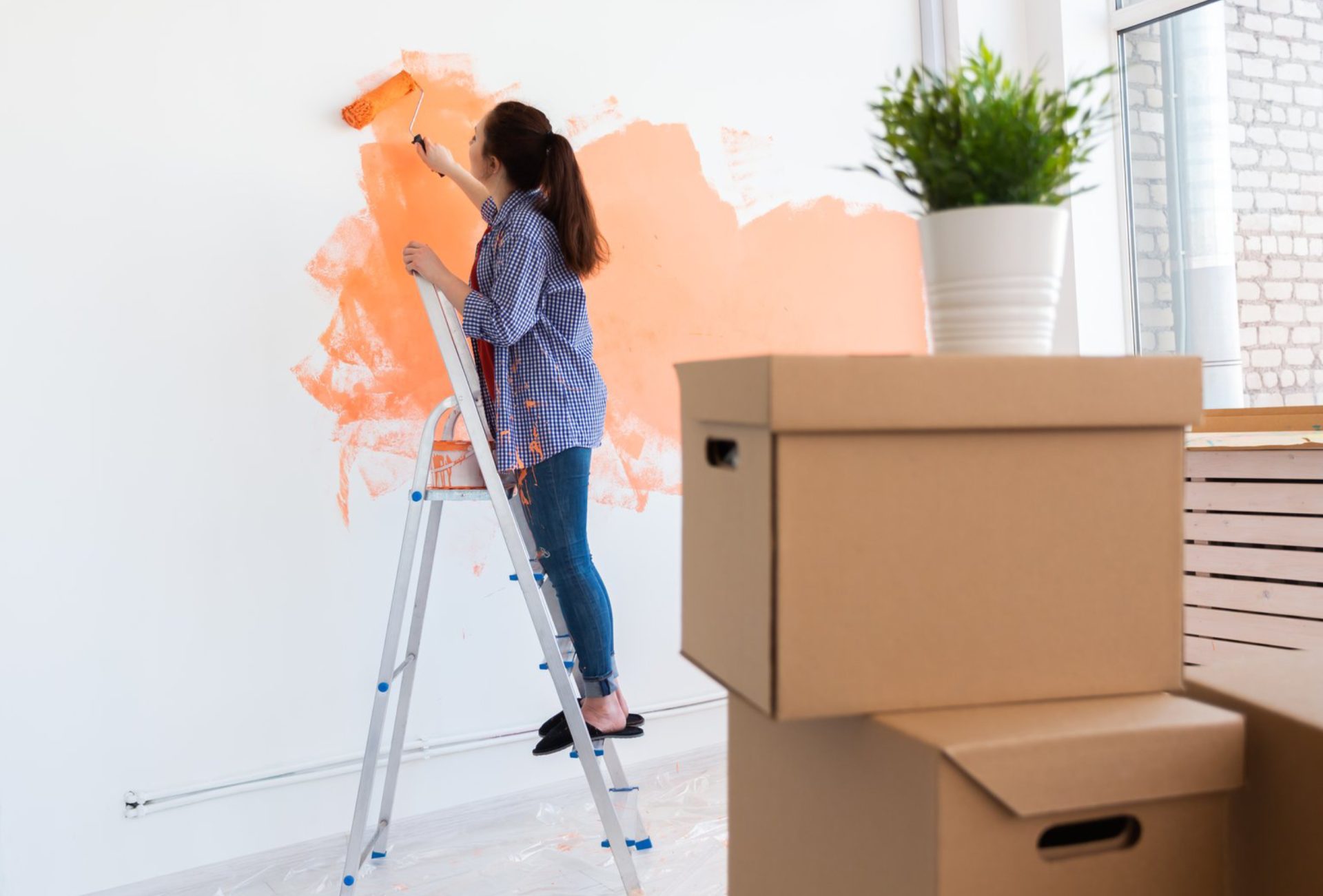
- Tenant Units: Touch up minor scuffs, nail holes, or marks promptly. Keep leftover paint for consistency.
- Preventative Measures: Install chair rails or wall guards in busy areas to reduce damage.
- Moisture Control: Bathrooms and kitchens need moisture-resistant paints to prevent mold and peeling.
Maintaining interior paint keeps units looking fresh and minimizes tenant complaints.
Step 3: Exterior Maintenance Tips
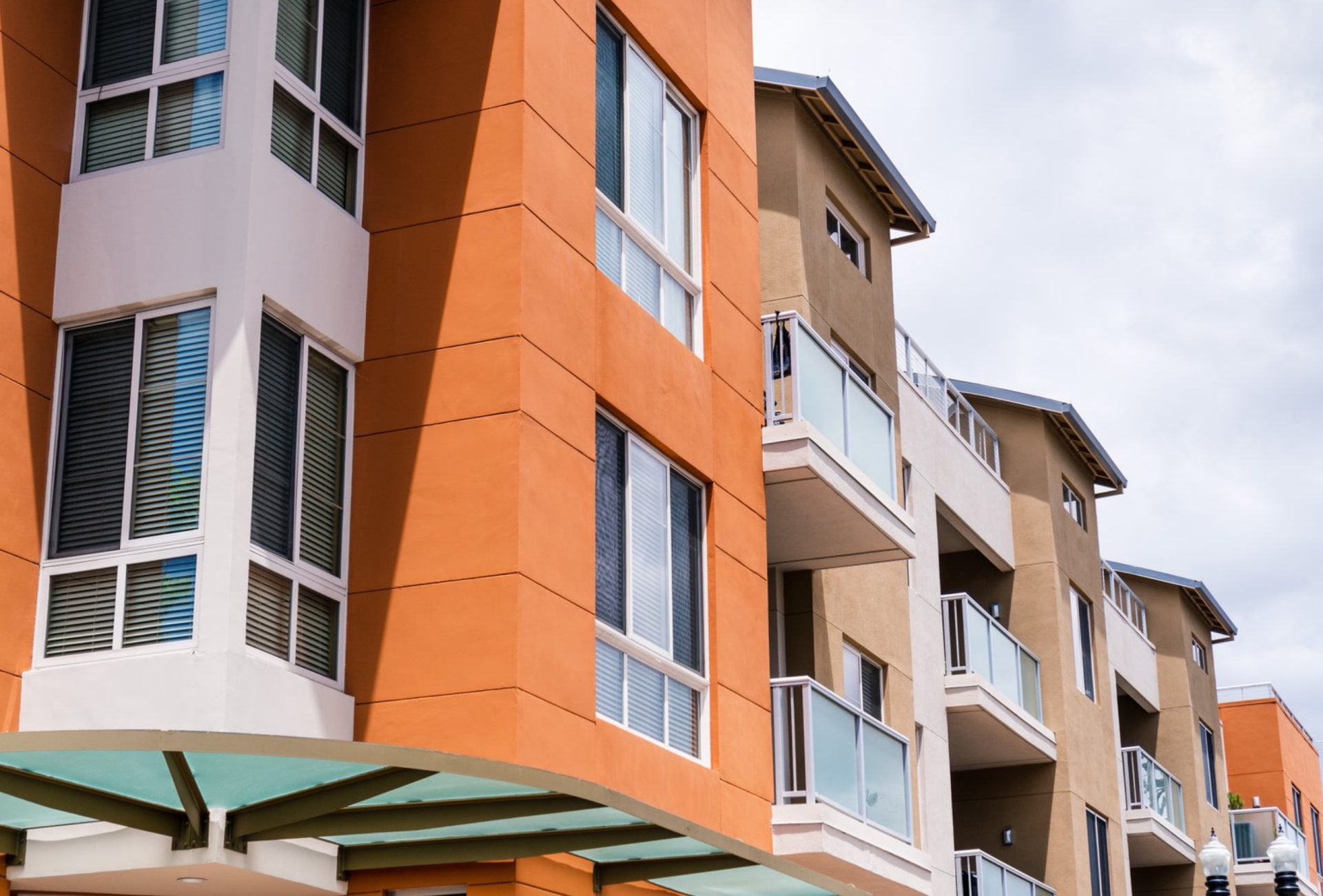
- Inspect Weather-Exposed Surfaces: Check siding, trim, doors, balconies, and railings for wear caused by wind, sun, rain, or snow.
- Regular Cleaning: Remove dirt, mold, and mildew using power washing or gentle scrubbing.
- Timely Touch-Ups: Address cracks, peeling, or fading paint promptly to prevent more extensive repairs.
- Protective Coatings: Apply sealants to vulnerable areas to reduce water infiltration and extend paint life.
Well-maintained exteriors improve curb appeal and protect the building envelope.
Step 4: Plan for Seasonal Maintenance
- Spring: Clean, inspect, and touch up areas damaged by winter weather.
- Summer: Perform exterior painting during dry, warm weather to ensure proper adhesion and curing.
- Fall: Prepare surfaces for winter by sealing cracks and addressing peeling paint.
- Winter: Focus on interior touch-ups, minor repairs, and planning upcoming projects.
Seasonal planning ensures continuous maintenance and reduces emergency repairs.
Step 5: Establish a Maintenance Schedule
- Routine Touch-Ups: Schedule minor painting updates every 1–2 years depending on wear.
- Full Repainting: Plan full interior or exterior painting cycles every 5–7 years.
- Coordinate with Tenants: Notify residents of maintenance schedules to minimize disruption.
- Prioritize High-Impact Areas: Focus on common areas, entrances, and exteriors visible to tenants and visitors.
A structured schedule prevents overlooked surfaces and keeps the property in excellent condition.
Step 6: Use Quality Materials
- Durable Paints: Invest in long-lasting interior and exterior paints suitable for high-traffic areas.
- Primer for Repairs: Always prime patched or repaired areas to ensure consistent finish.
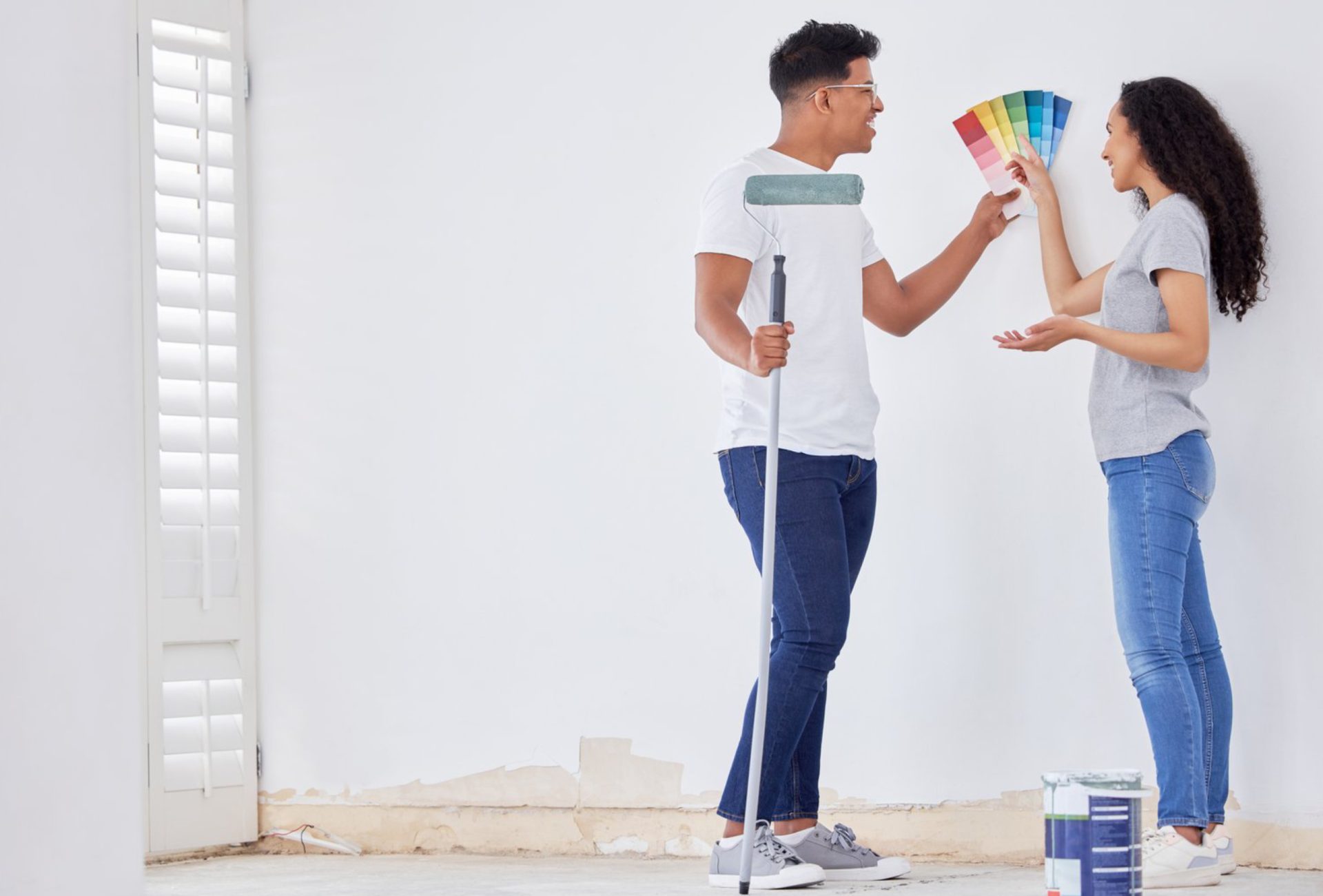
- Consistent Batches: Maintain paint logs to avoid color mismatches during touch-ups.
- Weather-Resistant Coatings: Use paints designed for Chicago’s seasonal climate on exterior surfaces.
High-quality materials reduce the frequency of maintenance and rework.
Step 7: Track Maintenance Costs and ROI
- Record Labor and Material Expenses: Keep detailed logs for budgeting purposes.
- Evaluate Paint Longevity: Track how long surfaces last before needing touch-ups.
- Measure Tenant Satisfaction: Well-maintained units often increase occupancy rates and lease renewals.
- Plan Future Budgets: Use data to allocate funds efficiently for upcoming maintenance cycles.
Tracking ensures a strategic approach to painting maintenance, maximizing ROI.
Step 8: Partner With Professionals
- Skilled Contractors: Professionals perform inspections, repairs, and painting efficiently and effectively.
- Project Management: Contractors manage schedules, materials, and crews to reduce disruptions.
- Quality Assurance: Experts guarantee smooth, uniform finishes and long-lasting results.
- Maintenance Guidance: Contractors provide post-project recommendations for ongoing upkeep.
Professional support ensures property managers maintain high standards without excessive effort.
Chicagoland Paint Pro Expertise
Chicagoland Paint Pro specializes in property management painting and maintenance:
- Routine Maintenance Programs: Scheduled inspections, touch-ups, and seasonal planning.
- High-Quality Materials: Durable paints suitable for interiors and exteriors in Chicago.
- Professional Application: Experienced teams deliver consistent, long-lasting results.
- Maintenance Support: Guidance for cost-effective, preventive upkeep to protect investment properties.
Partnering with us ensures property managers can maintain their properties efficiently and professionally.
Conclusion
Regular painting maintenance is a crucial investment for property managers, protecting both the property and the tenants’ experience. Scheduled inspections, quality materials, seasonal planning, and professional expertise combine to prolong paint life, reduce costs, and enhance property appeal.
With Chicagoland Paint Pro, property managers can implement a reliable, high-quality maintenance program that keeps rental properties in excellent condition year-round.