





Choosing the right paint for a condo association goes beyond aesthetics. Paint selection must comply with association guidelines, durability requirements, and environmental considerations, ensuring that both interiors and exteriors meet community standards. Making the wrong choice can lead to rework, complaints from residents, and reduced property value.
This guide explores how condo boards and property managers can select paints that meet standards, deliver lasting results, and enhance the property’s overall appeal.
Why Paint Selection Matters in Condo Associations
- Compliance with Rules: Many condo associations have specific requirements for colors, finishes, and brands.
- Durability: High-quality paint withstands Chicago’s fluctuating weather and high-traffic areas inside units.
- Ease of Maintenance: Proper paint choices simplify cleaning, touch-ups, and long-term upkeep.
- Aesthetic Consistency: Standardized paint ensures uniformity across units and common areas, boosting curb appeal.
Step 1: Review Condo Association Guidelines
Before selecting paint:
- Check CC&Rs and HOA Regulations:
- Confirm acceptable colors, brands, and finishes.
- Ensure compliance with architectural and historical requirements.
- Understand Approval Processes:
- Some associations require board approval before painting.
- Provide samples, swatches, or mock-ups for official review.
- Consider Environmental and Safety Standards:
- Low-VOC or no-VOC paints may be required for indoor air quality.
- Fire-retardant paints may be necessary for specific surfaces.
Step 2: Choose Paint Types Based on Location
- Interior Paints:
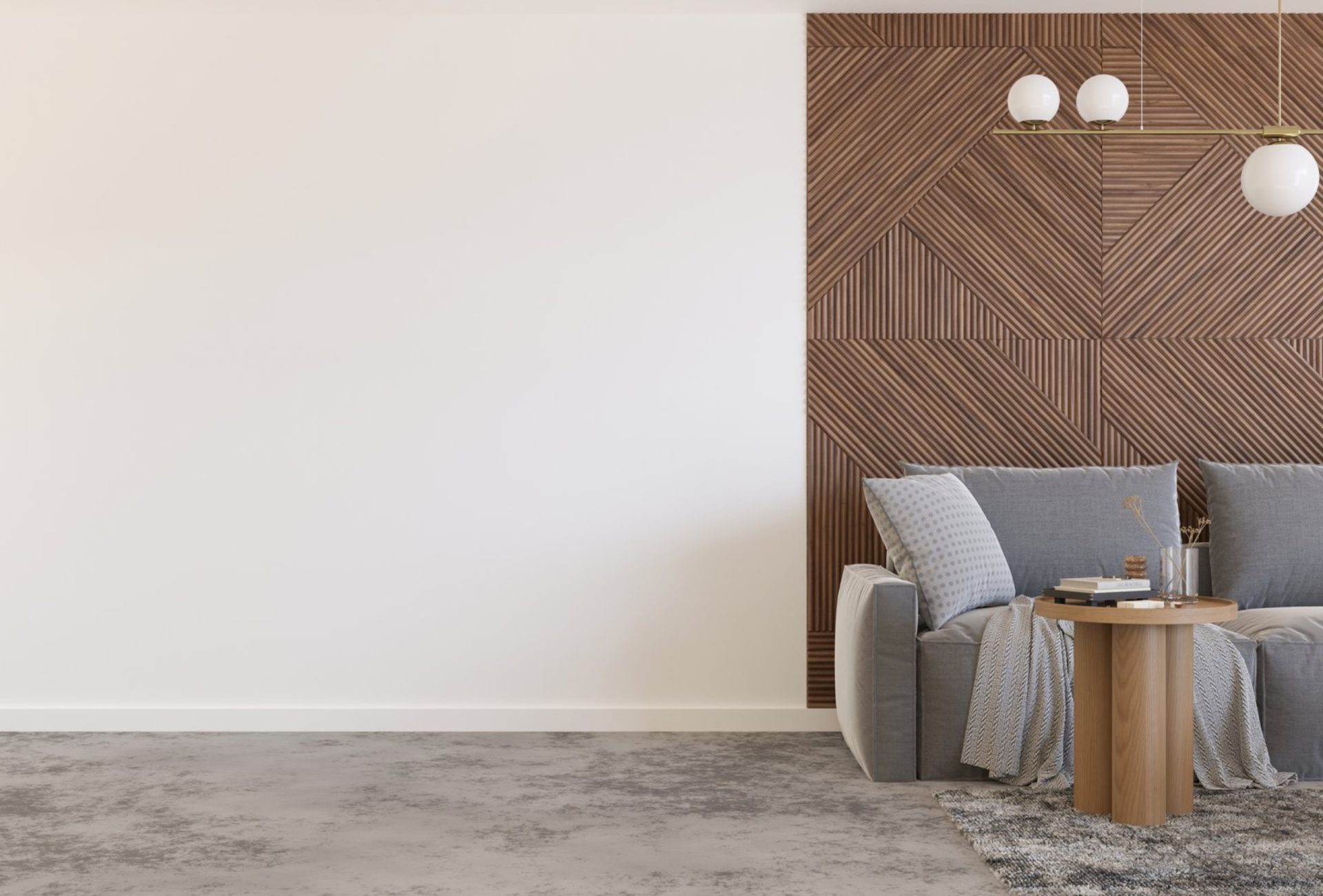
- High-Traffic Areas: Semi-gloss or satin finishes for hallways, lobbies, gyms, and shared spaces.
- Low-Traffic Areas: Eggshell or matte finishes for offices, lounges, or private units.
- Special Areas: Kitchens and bathrooms require moisture-resistant, washable paint.
- Exterior Paints:
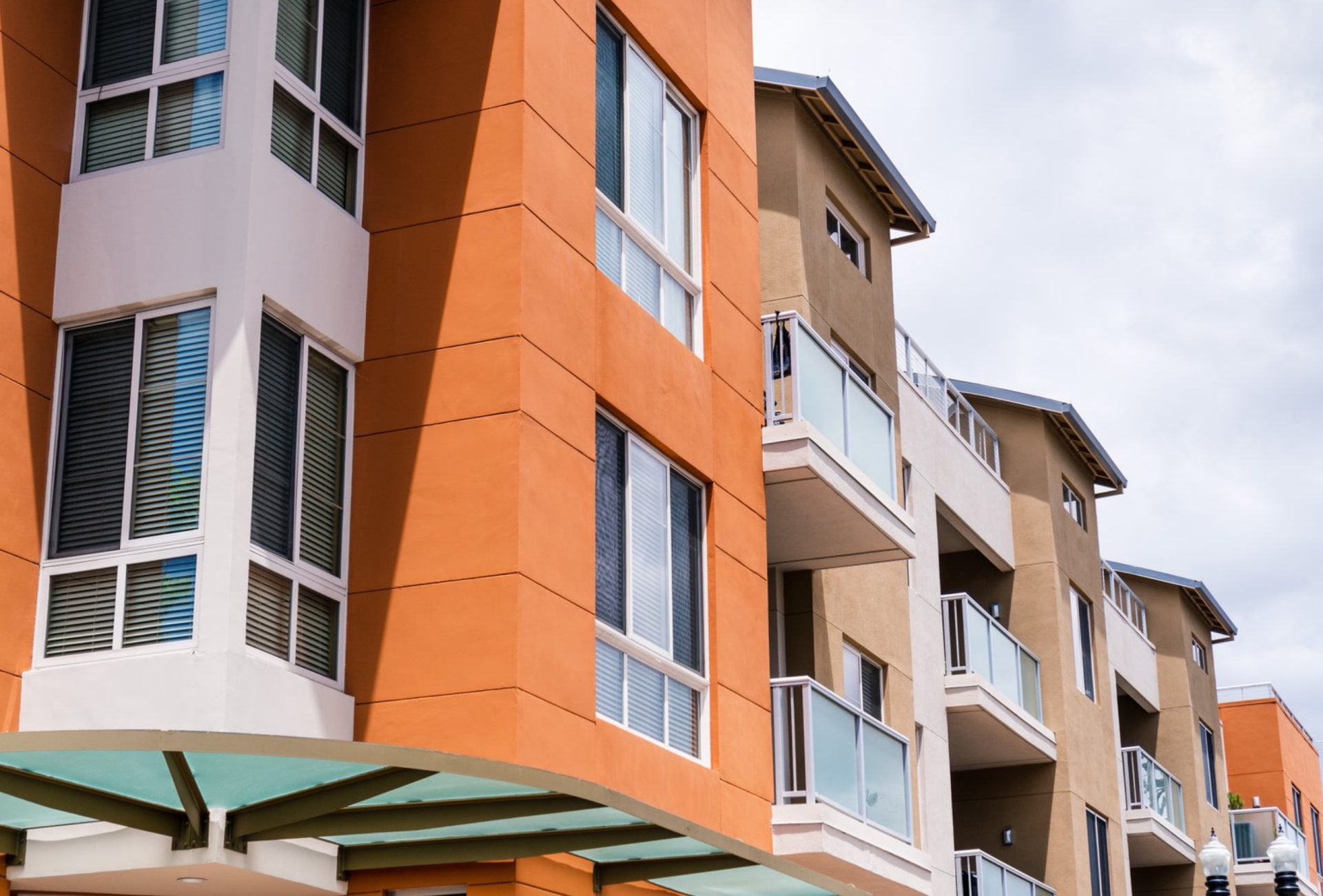
- Weather-Resistant Coatings: Acrylic latex or elastomeric paints resist wind, snow, and sun exposure.
- Fade Resistance: Maintains color vibrancy despite prolonged sunlight.
- Adhesion and Coverage: Primer and high-quality paint reduce peeling and extend life.
Step 3: Color Selection and Consistency
- Neutral Base Colors: Beige, gray, and off-white are often preferred for wide appeal.
- Accents and Highlights: Trim, doors, or architectural features can have complementary shades.
- Uniformity Across Units: Use the same batch or document color codes to avoid subtle differences between buildings or floors.
Step 4: Prioritize Durability
- Exterior Durability: Withstand rain, wind, snow, and extreme temperatures.
- Interior Durability: Resists scuffs, cleaning, and daily wear and tear.
- UV and Moisture Resistance: Especially for balconies, siding, and sun-exposed areas.
Investing in long-lasting paint reduces future maintenance costs and improves property longevity.
Step 5: Consider Environmental and Health Factors
- Low-VOC Paints: Protect residents’ indoor air quality during and after painting.
- Eco-Friendly Options: Reduce environmental impact without sacrificing performance.
- Allergy-Sensitive Areas: For common spaces, select paints that minimize odors and irritants.
Many condo associations now require eco-conscious paints to meet sustainability goals.
Step 6: Test Samples Before Approval
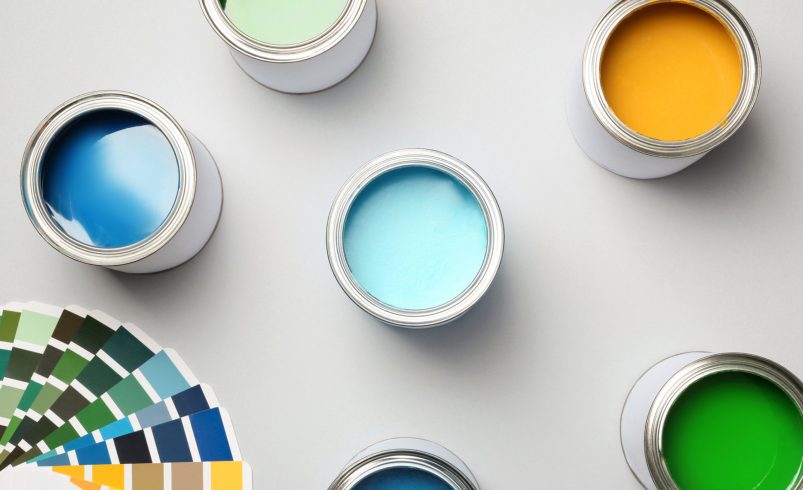
- Mock-Up Panels: Apply paint to small areas for realistic visualization.
- Lighting Checks: Observe color in natural and artificial light to avoid surprises.
- Resident Feedback: When appropriate, gather opinions on sample areas to improve acceptance.
Testing ensures colors, finishes, and durability meet both standards and resident expectations.
Step 7: Maintain Documentation
- Record Brands and Color Codes: Maintain for future touch-ups and repainting.
- Track Primer and Finish Used: Ensures consistency in subsequent maintenance projects.
- Document Approval Process: Keep a record for compliance audits and resident inquiries.
Proper documentation prevents confusion, rework, and disputes later.
Step 8: Partner With Professional Contractors
- Expert Guidance: Professionals recommend paints that comply with condo standards.
- Efficient Application: Skilled painters achieve consistent coverage and uniform finishes.
- Warranty and Support: Contractors provide guarantees and maintenance advice, ensuring long-term satisfaction.
Chicagoland Paint Pro Expertise
Chicagoland Paint Pro specializes in condo association painting with a focus on standards, durability, and aesthetics:
- Paint Consultation: Helps boards select colors and finishes compliant with regulations.
- High-Quality Materials: Uses paints suitable for both Chicago interiors and exteriors.
- Professional Application: Ensures smooth, even finishes that last longer.
- Maintenance Guidance: Offers post-project tips to maintain the integrity and appearance of painted surfaces.
Our expertise ensures every condo association project meets regulatory standards and resident expectations.
Conclusion
Selecting paint that meets condo association standards is essential for compliance, durability, and visual appeal. By carefully reviewing guidelines, choosing appropriate types and finishes, testing samples, and documenting all decisions, boards and property managers can ensure a professional, uniform, and long-lasting result.
With Chicagoland Paint Pro, condo associations benefit from expert paint selection, professional application, and maintenance support—ensuring a high-quality finish that enhances property value and satisfies residents for years.