




In property management and professional painting, time and quality often feel at odds. Tenants, landlords, and multi-unit property managers need units painted quickly, but rushing can lead to uneven finishes, peeling, and costly repairs. The challenge is balancing fast turnaround with a professional-quality finish that lasts.
This guide explores practical strategies for painting quickly without sacrificing quality, ensuring that every project delivers optimal results.
Understanding the Balance: Why Speed vs Quality Matters
- Tenant Expectations: Fast projects are necessary to minimize vacancy, but poor-quality paint reflects negatively on the property.
- Property Protection: Rushed painting without proper surface prep can lead to peeling, cracking, and water damage.
- Cost Efficiency: Mistakes caused by speed can result in additional labor and material costs.
- Professional Reputation: Consistently high-quality finishes, even on tight timelines, build trust with tenants and contractors.
The goal is strategic efficiency—speeding up the process while maintaining durable, attractive results.
Step 1: Proper Surface Preparation
- Clean and Repair Surfaces: Dirt, dust, and minor damage reduce paint adhesion. Quick prep doesn’t mean skipping cleaning.
- Fill Holes and Cracks: Patch dents, nail holes, and cracks before painting. Prepping upfront prevents rework later.
- Sanding for Smoothness: Light sanding ensures an even surface for a professional finish.
- Primer Application: Quick-dry primers accelerate topcoat adhesion and drying, reducing overall project time.
Preparation may feel time-consuming, but it saves hours by preventing errors.
Step 2: Use Fast-Drying and High-Performance Paints
- Quick-Dry Latex Paints: Reduce waiting time between coats.
- High-Coverage Formulas: Fewer coats are needed to achieve uniform color, saving labor hours.
- Self-Leveling Paints: Minimize brush marks and roller lines, reducing touch-ups.
- Specialty Primers: Fast-setting primers prepare surfaces quickly for durable finishes.
Choosing the right paint is critical for speed without sacrificing quality.
Step 3: Optimize Application Techniques
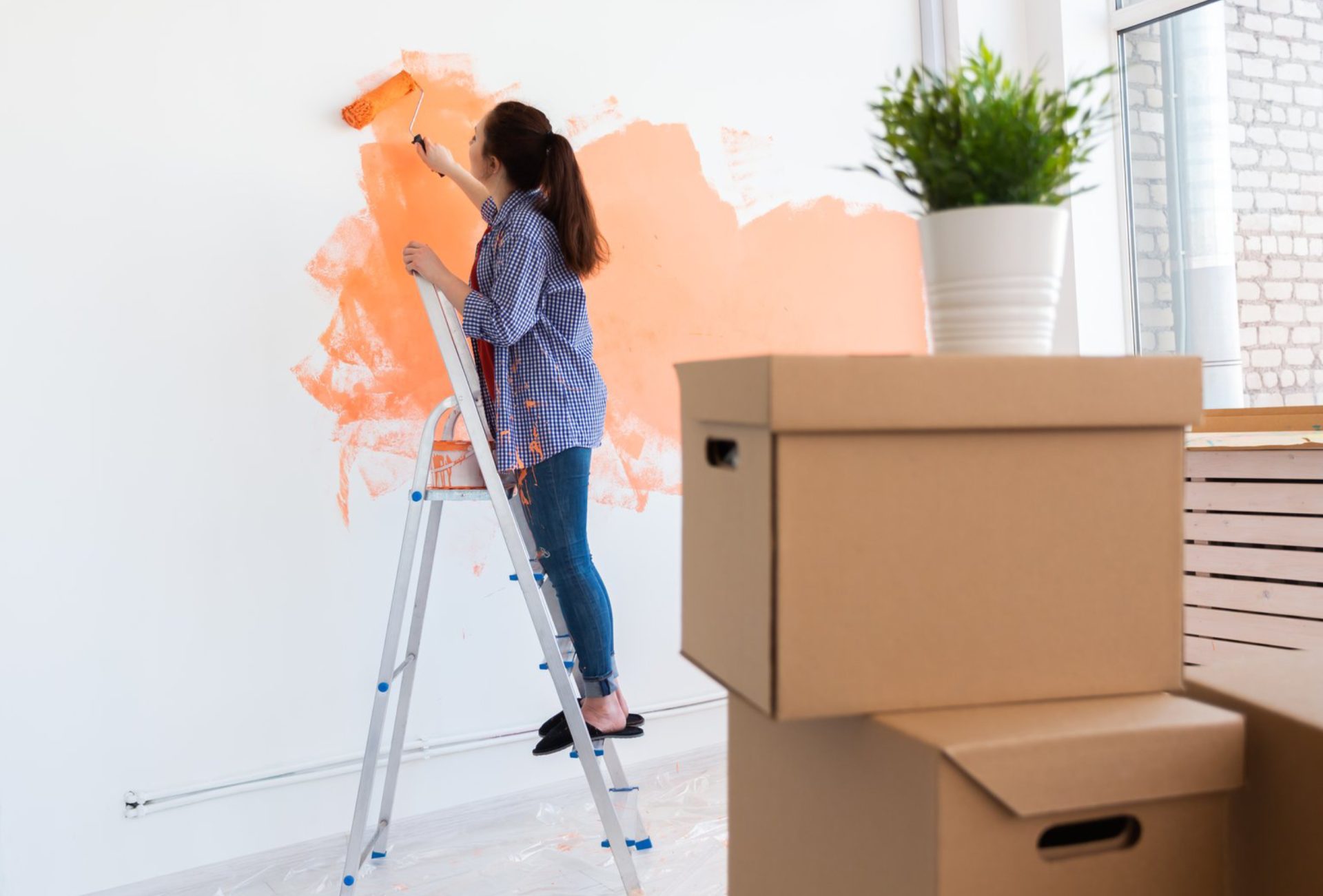
- Rollers for Large Areas: Cover walls efficiently while maintaining an even finish.
- Brushes for Trim and Detail: Experienced painters reduce streaks and maintain sharp edges.
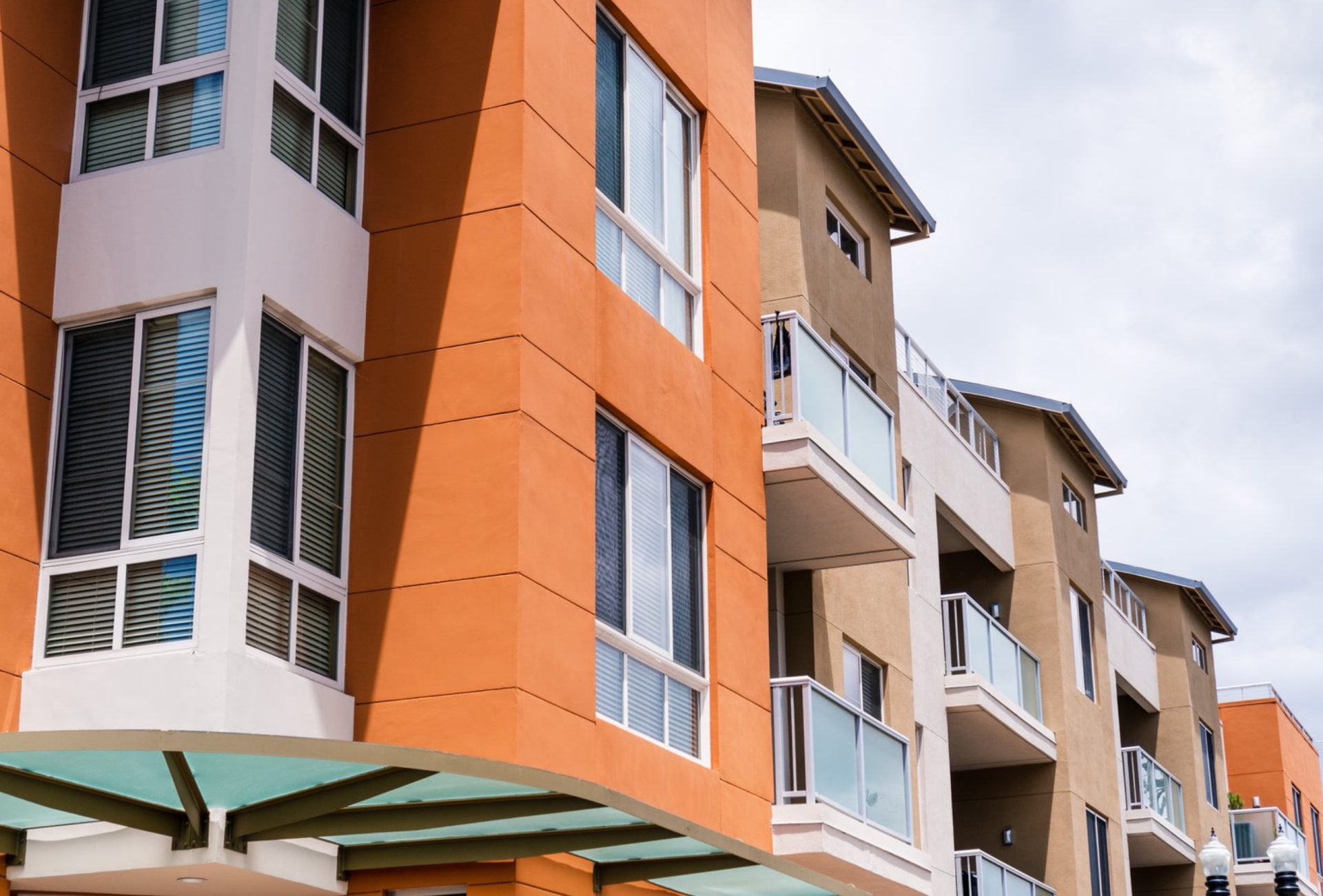
- Spray Systems for Exteriors: Paint large exterior surfaces quickly without compromising coverage.
- Consistent Technique: Train teams to apply paint uniformly to avoid mistakes that require correction.
Efficient application techniques ensure professional results in less time.
Step 4: Plan Phases and Workflow
- Divide Units by Teams: Multiple crews working in parallel speeds up multi-unit projects.
- Coordinate Prep and Painting: While one room dries, another can be prepped to maximize productivity.
- Schedule Drying Time: Plan coat sequences to avoid bottlenecks.
- Phase Exterior and Interior Separately: Exterior painting may require more drying and weather considerations.
A well-organized workflow reduces wasted time and prevents rushed mistakes.
Step 5: Focus on High-Impact Areas
- Prioritize Tenant-Facing Surfaces: Walls, trim, doors, and common areas make the strongest impression.
- Spot Repairs Where Possible: Avoid painting entire walls if minor fixes will suffice.
- Accent Walls Strategically: Add visual impact without extending project timelines unnecessarily.
- Exterior Entry Points: Painting doors, shutters, and trims boosts curb appeal quickly.
Focusing on priority areas ensures noticeable quality without unnecessary labor.
Step 6: Manage Drying Time Efficiently
- Climate Control: Fans, heaters, and dehumidifiers accelerate drying in interior spaces.
- Thin Coats: Quick-drying thin layers reduce wait times between coats.
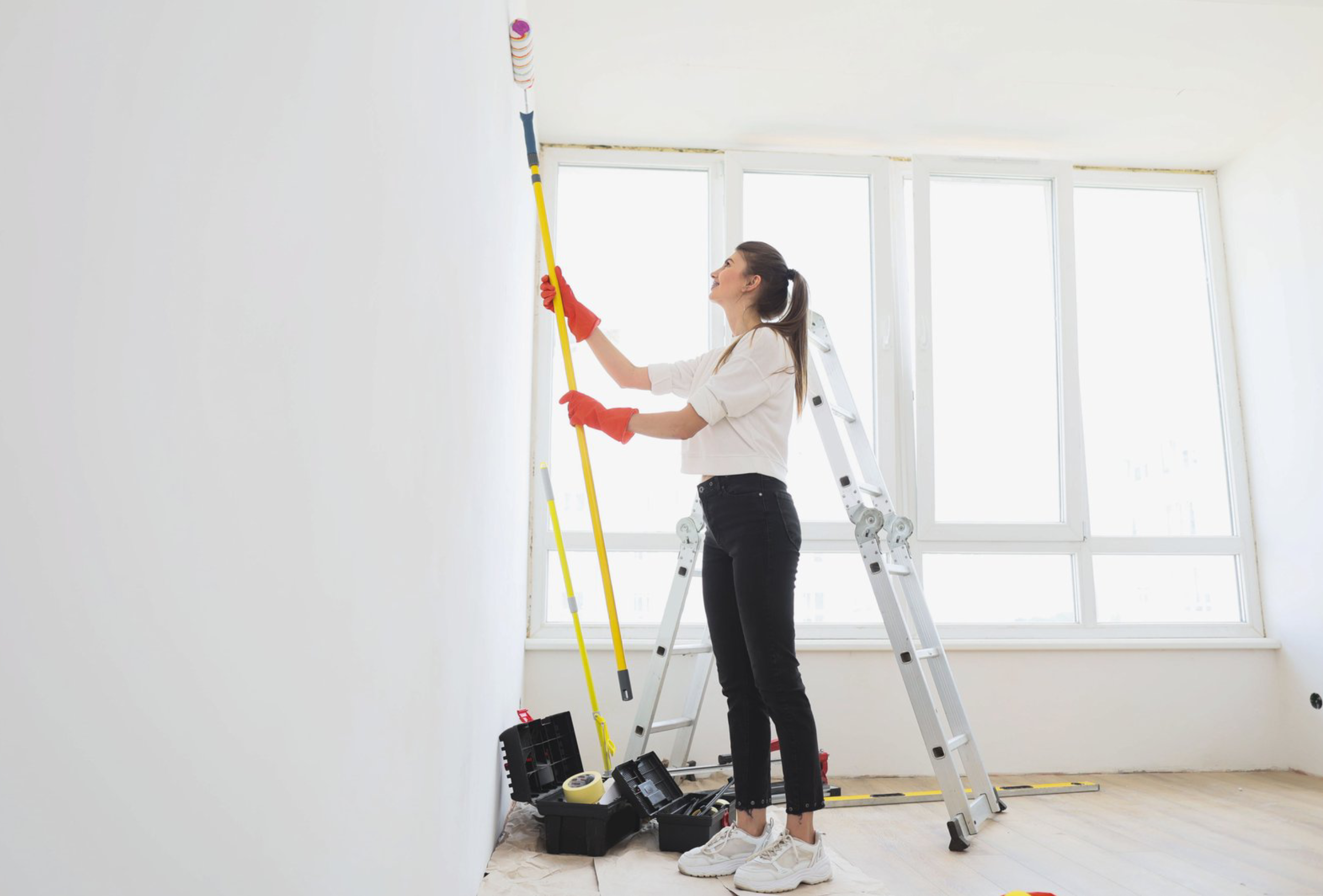
- Sequence Properly: Ceilings first, walls next, trim last—prevents accidental smudges.
- Quick-Set Products: Use primers and paints designed for rapid curing.
Managing drying effectively ensures speed does not compromise durability.
Step 7: Quality Checks and Touch-Ups
- Inspect As You Go: Spot mistakes early—smudges, drips, or uneven coverage.
- Correct Immediately: Small fixes are easier during the painting process than after completion.
- Final Walkthrough: Conduct a complete inspection before declaring the project done.
- Document Work: Keep records of products, coats applied, and areas touched up for future reference.
Routine checks prevent rushed errors from becoming costly problems.
Step 8: Engage Professional Painters
- Experience Matters: Skilled painters can complete projects faster while maintaining quality.
- Efficient Teams: Professionals know how to prep, paint, and dry multiple areas efficiently.
- Equipment Expertise: Proper use of rollers, sprayers, and brushes accelerates work without mistakes.
- Maintenance Guidance: Experts can recommend future touch-ups, ensuring long-lasting results.
Professional support ensures speed and quality go hand in hand, even under tight deadlines.
Chicagoland Paint Pro Advantage
Chicagoland Paint Pro specializes in fast, high-quality painting solutions for property managers and landlords:
- Multi-Unit Expertise: Efficiently handle painting across apartments, condos, or office complexes.
- Durable Materials: High-performance paints suitable for Chicago weather and tenant wear.
- Experienced Teams: Skilled painters who work quickly without cutting corners.
- Maintenance Programs: Post-project support ensures longevity and reduces future touch-ups.
Partnering with us guarantees projects completed on time, on budget, and to a professional standard.
Conclusion
Balancing speed and quality in painting projects is possible with proper preparation, strategic workflows, fast-drying materials, and professional expertise. Fast projects don’t have to sacrifice aesthetics or durability—planning and execution are key.
With Chicagoland Paint Pro, property managers can achieve quick turnarounds while maintaining high standards, protecting property value and ensuring tenant satisfaction.