




Accent walls and painted trim are powerful tools in home remodeling, capable of transforming spaces with minimal effort. By highlighting architectural features, creating visual interest, and coordinating with new remodel elements, accent walls and trim elevate the overall design of your home.
This guide provides practical tips and inspiration for using accent walls and trim to maximize the impact of your remodel.
1. Why Accent Walls Matter
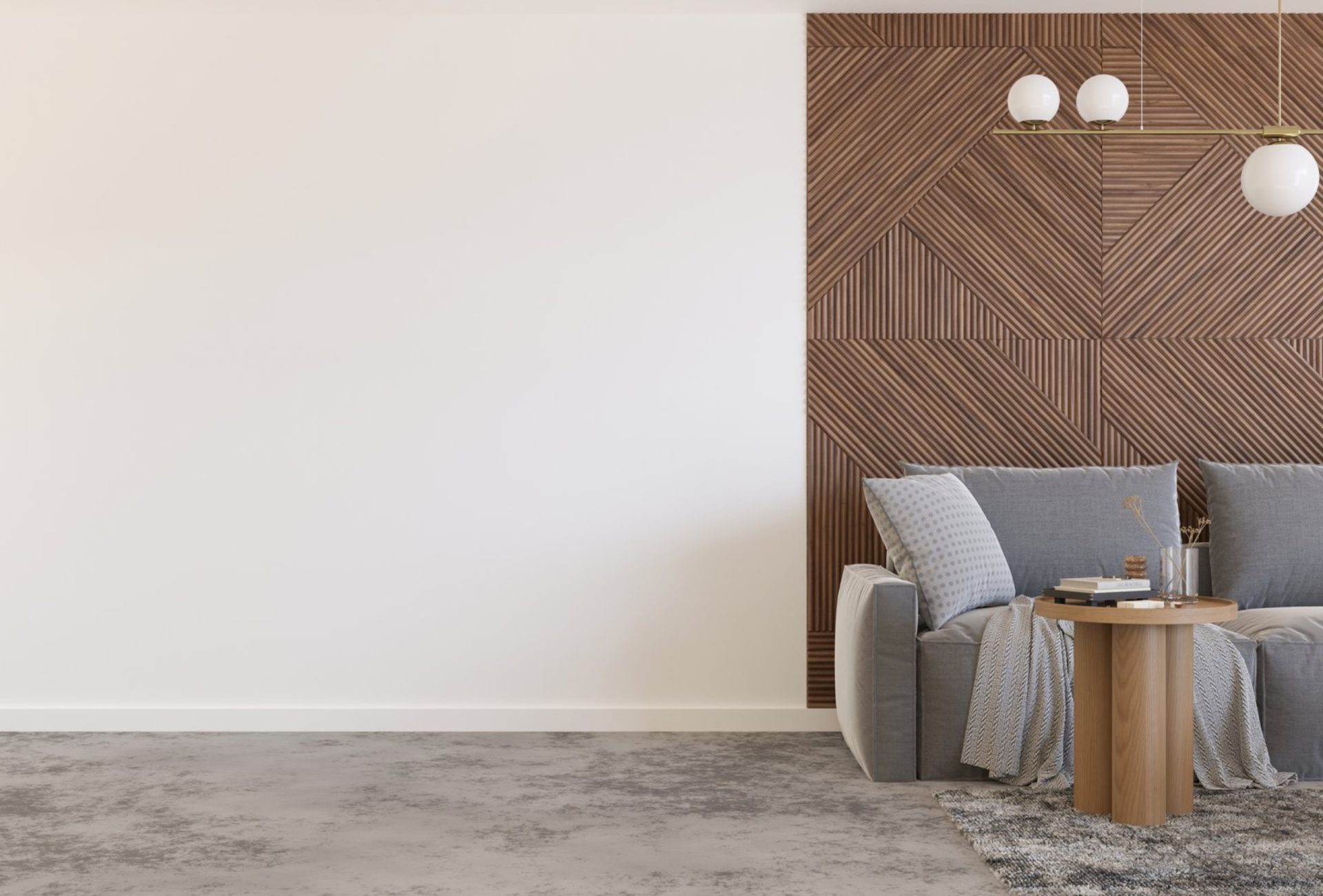
- Create a Focal Point: Draw attention to a fireplace, built-in shelves, or a standout wall in a living or dining area.
- Add Depth and Dimension: Darker or bold colors make a space feel dynamic, while lighter tones keep it airy.
- Define Zones: In open-concept layouts, accent walls can delineate living, dining, or workspace areas without adding physical barriers.
Chicagoland Paint Pro Tip: Use accent walls sparingly to maintain balance—one statement wall per room is usually sufficient.
2. Choosing the Perfect Accent Color
- Complement Existing Features: Base your accent color on cabinets, countertops, flooring, or new fixtures.
- Consider Mood: Warm colors like terracotta or deep red energize spaces, while cool blues, greens, and grays create calm.
- Balance Bold vs. Neutral: Pair bold accent walls with neutral surroundings to avoid overwhelming the room.
Example: Pair a deep navy accent wall in a living room with soft gray walls and crisp white trim for a modern, elegant look.
3. Strategic Placement of Accent Walls
- Living Rooms: Behind a sofa or entertainment unit for maximum impact.
- Bedrooms: Headboards or feature walls to create a cozy retreat.
- Kitchens and Dining Areas: Near islands, built-ins, or shelving to highlight design elements.
- Home Offices: Behind desks or workspaces to create visual depth and focus.
4. Painting Trim for Maximum Impact
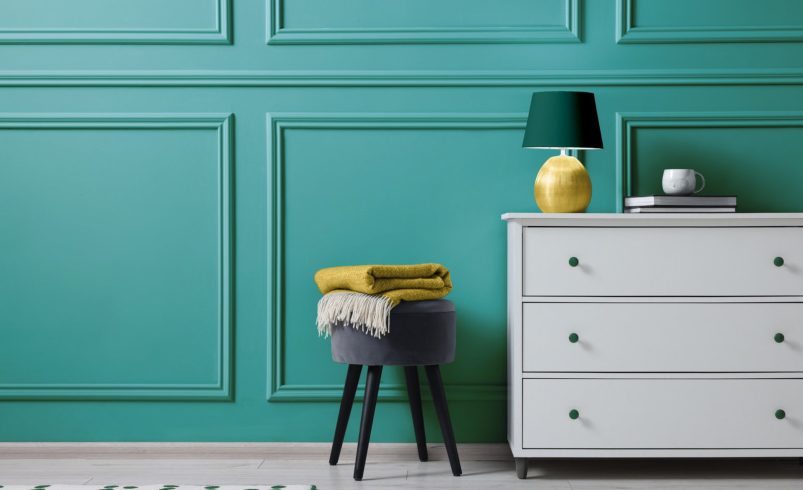
- Highlight Architectural Details: Crown molding, baseboards, window casings, and door frames stand out when painted in contrasting or complementary shades.
- Coordinate With Walls: White or off-white trim contrasts beautifully with bold walls, while darker trims complement lighter walls.
- Consider Finish: Semi-gloss or satin trims are durable, easy to clean, and add a polished look.
5. Pairing Trim and Accent Walls
- Contrast vs. Complement: Choose whether your trim contrasts with the wall color for emphasis or complements it for a harmonious look.
- Layered Effect: Bold accent walls with crisp trims create a three-dimensional effect and make the room feel tailored.
- Consistent Flow: Repeat trim and accent wall colors across rooms for a cohesive feel.
6. Tools and Techniques
- High-Quality Brushes and Rollers: Ensure smooth coverage and clean edges.
- Painter’s Tape: Protect adjoining walls and trims for precise lines.
- Primer: Necessary for new or repaired surfaces to ensure proper adhesion.
- Multiple Coats: One coat may not be enough, especially for bold colors or dark shades.
7. Common Mistakes to Avoid
- Choosing too many accent walls in one room, creating chaos
- Using low-quality paint that results in streaks or uneven coverage
- Ignoring lighting, which can change how colors appear
- Failing to properly prep surfaces, leading to peeling or uneven finish
- Mismatching trim finishes with wall paint, reducing overall polish
8. Final Thoughts
Accent walls and painted trims are essential elements for remodeling projects. They allow homeowners to highlight features, add personality, and create a visually appealing space without massive structural changes.
By carefully selecting colors, strategically placing accent walls, and painting trim with precision, any remodel can achieve a professional, polished look that enhances both style and value.
Whether you are refreshing a single room or updating an entire home, thoughtful use of accent walls and trim can turn your remodel into a beautiful, cohesive, and inviting space.