



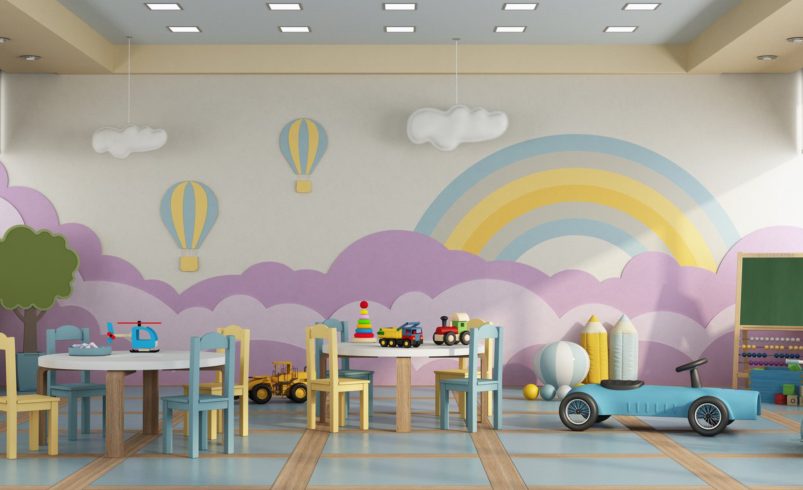

A well-painted school environment can greatly impact students’ learning, mood, and engagement. Thoughtful use of color and finishes can create inviting classrooms, lively common areas, and safe, functional spaces.
This guide explores effective painting ideas for classrooms, hallways, libraries, cafeterias, and other school areas, helping administrators and educators make informed design choices.
1. Understand the Purpose of Each Space
- Classrooms: Encourage focus and concentration with calming, neutral, or pastel tones.
- Libraries and Study Areas: Soft blues, greens, and muted shades create a relaxing environment conducive to reading and learning.
- Cafeterias: Vibrant, energetic colors can boost social interaction and appetite.
- Hallways and Corridors: Lighter colors improve lighting and create a welcoming atmosphere.
- Gymnasiums and Activity Spaces: Bold, bright tones energize and motivate students.
2. Classroom Painting Ideas
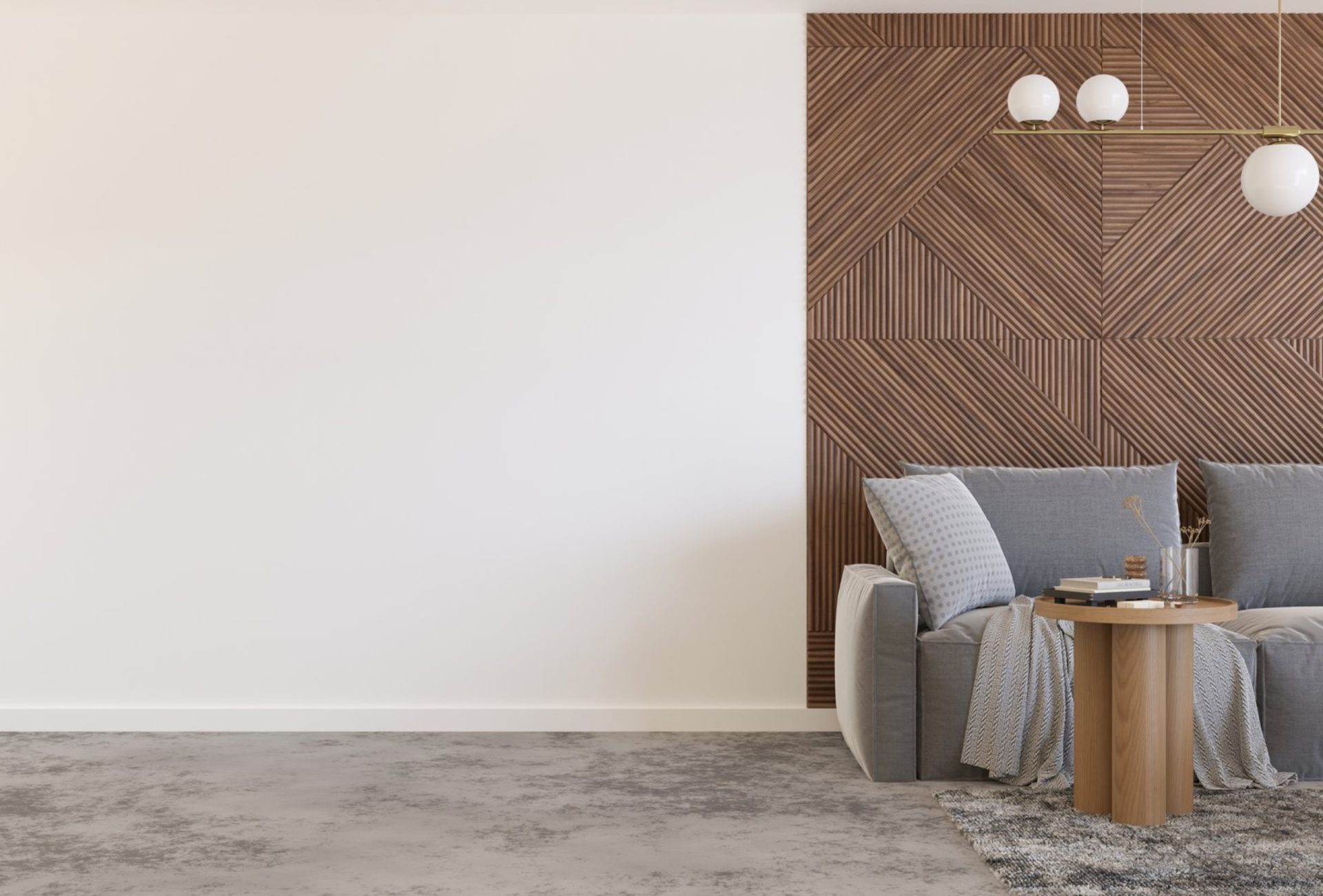
- Neutral Walls: Soft whites, creams, or light grays provide a clean, professional backdrop.
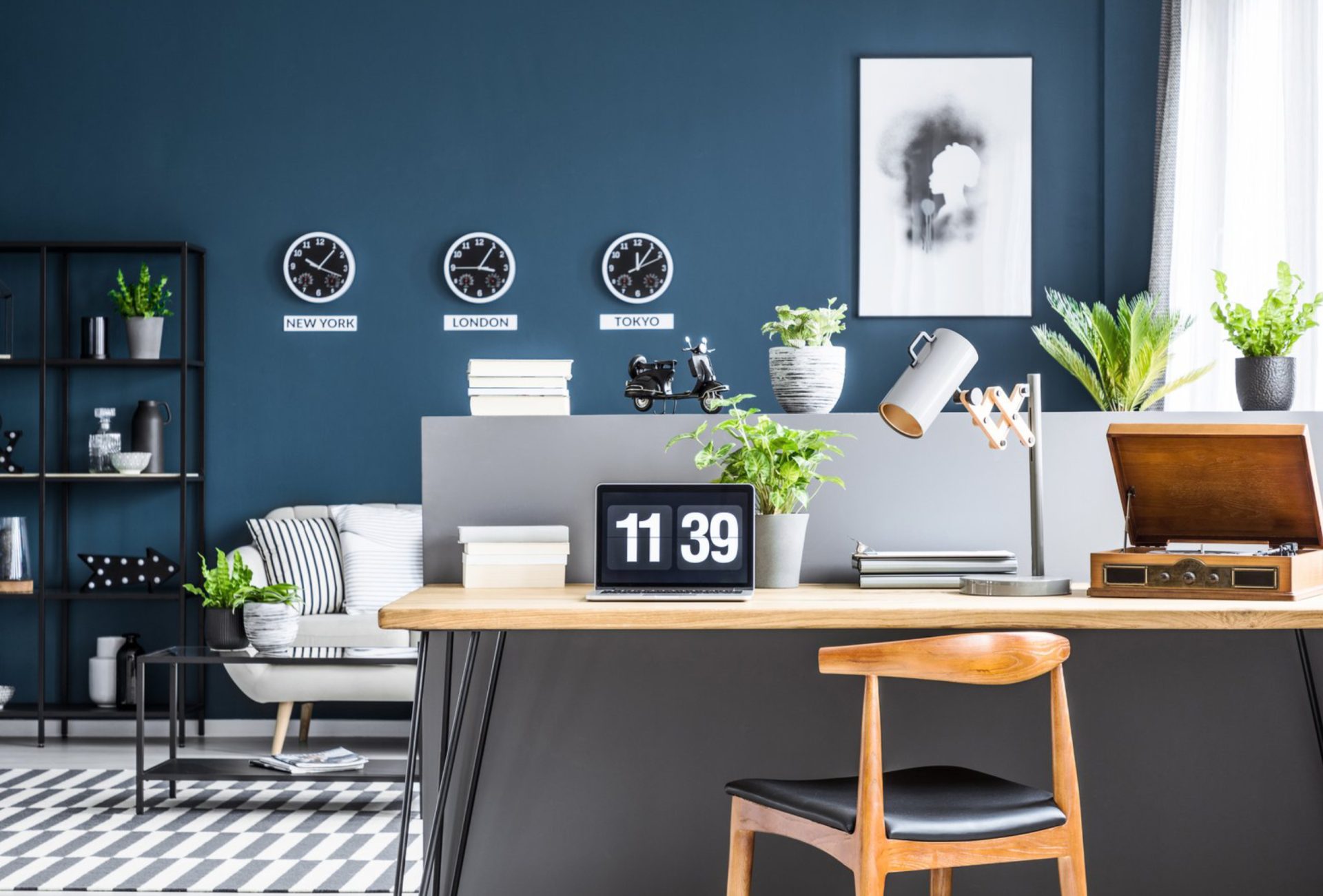
- Accent Walls: Choose one wall in a muted pastel or calming color to inspire creativity without overstimulation.
- Educational Murals: Add subtle graphics, motivational quotes, or learning aids for visual interest.
Tip: Avoid overly bright or saturated colors that can distract or tire students’ eyes.
3. Common Areas and Hallways
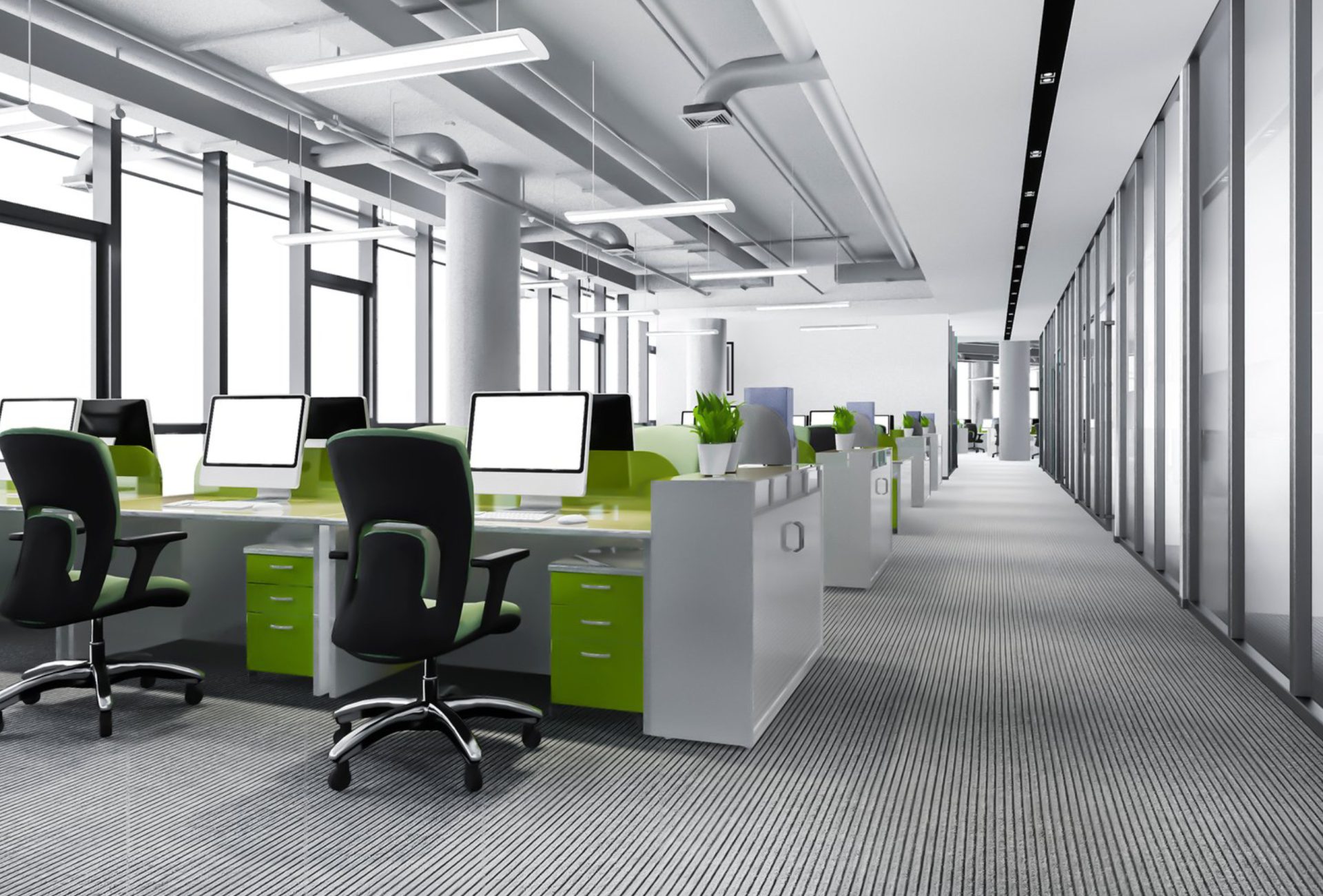
- Color Zoning: Use different shades to define areas or guide foot traffic.
- Durable Paint: High-traffic corridors require washable, scuff-resistant finishes.
- Creative Touches: Add stripes, geometric shapes, or school colors for spirit and identity.
4. Libraries and Study Spaces
- Calming Colors: Soft blues and greens reduce stress and improve focus.
- Contrast Accents: Use subtle accent walls behind bookshelves or seating areas to create depth.
- Finish Selection: Satin or eggshell finishes are easy to clean and reduce glare from lighting.
5. Cafeterias and Activity Areas
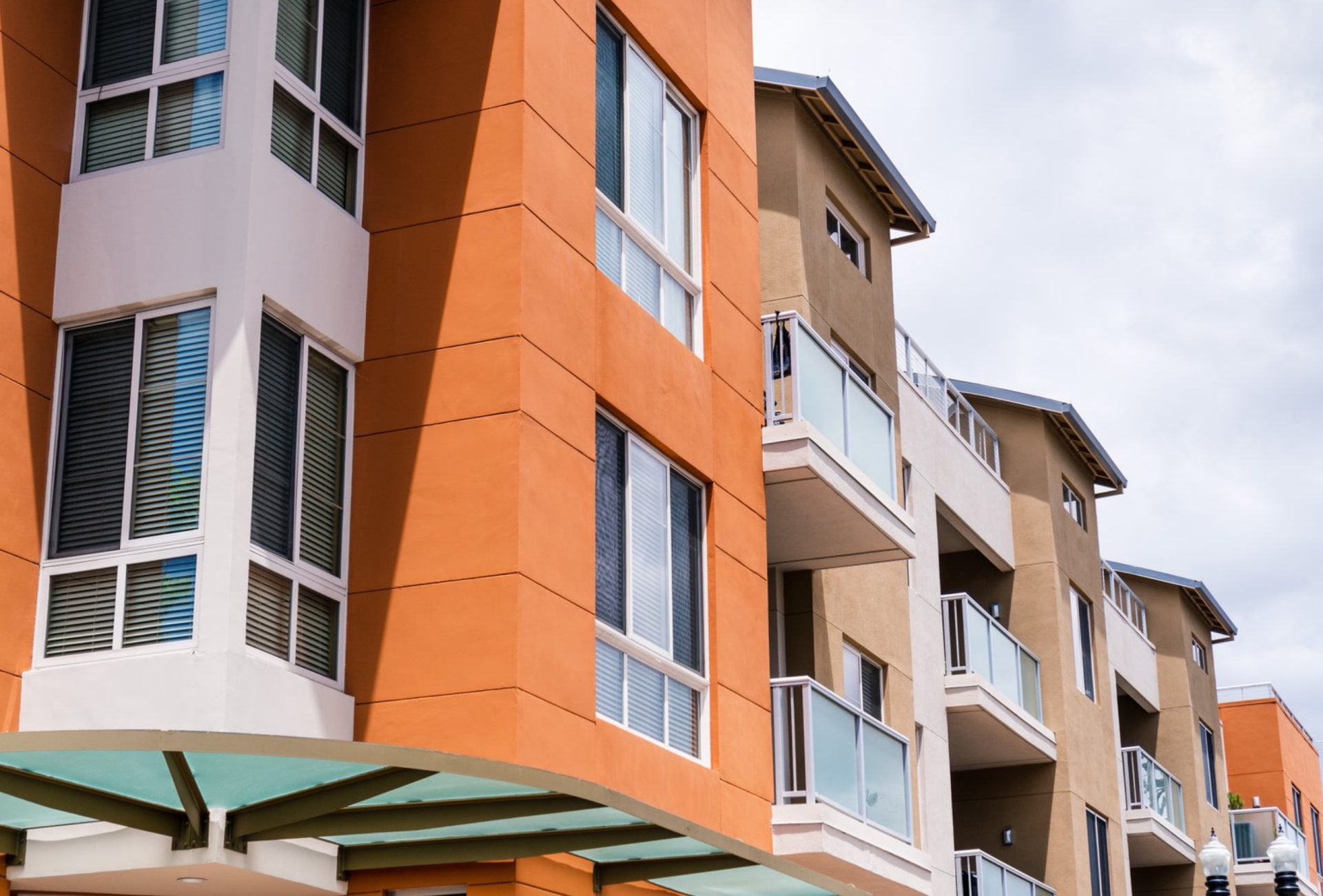
- Vibrant Palettes: Oranges, yellows, and reds energize and encourage socialization.
- Easy-to-Clean Paint: Food areas require durable, washable surfaces.
- Mood Balance: Pair bright accent walls with neutral backgrounds to prevent overstimulation.
6. Safety and Durability Considerations
- Non-Toxic Paints: Use low-VOC or zero-VOC paints to maintain healthy indoor air quality.
- Washable and Scuff-Resistant: Protect high-contact surfaces in hallways, cafeterias, and gyms.
- Fire-Retardant Options: Recommended for gyms, auditoriums, or large open spaces.
7. Tips for a Cohesive School Look
- Keep main color themes consistent throughout classrooms and common areas.
- Use accent walls strategically for variety and interest.
- Incorporate school colors subtly for branding and school spirit.
- Match paint finishes with the function of each space.
- Regularly maintain high-traffic areas to keep walls looking fresh and professional.
8. Final Thoughts
School painting is more than aesthetics—it influences mood, focus, and student performance. By combining thoughtful color selection, durable paints, and functional finishes, schools can create environments that are safe, engaging, and visually appealing.
A well-executed painting plan elevates the overall educational experience, ensuring classrooms and common areas feel welcoming, inspiring, and ready for learning.