





The design and color of an office can have a profound impact on productivity, employee morale, and the overall work environment. Commercial painting is more than just aesthetics; it’s a strategic tool for enhancing workplace efficiency and creating a welcoming atmosphere for employees and clients alike.
This guide explores office painting ideas that foster focus, creativity, and a positive work culture.
1. Understand the Role of Color in Productivity
- Blue: Promotes calmness and focus, ideal for task-oriented spaces.
- Green: Reduces eye strain, enhances balance, and creates a refreshing environment.
- Yellow: Stimulates creativity and optimism, perfect for brainstorming areas.
- Neutral Tones: Beige, gray, and soft white provide a professional backdrop while allowing accent colors to pop.
Chicagoland Paint Pro Tip: Choose colors that match the function of each office area to maximize employee efficiency.
2. Incorporate Accent Walls Strategically
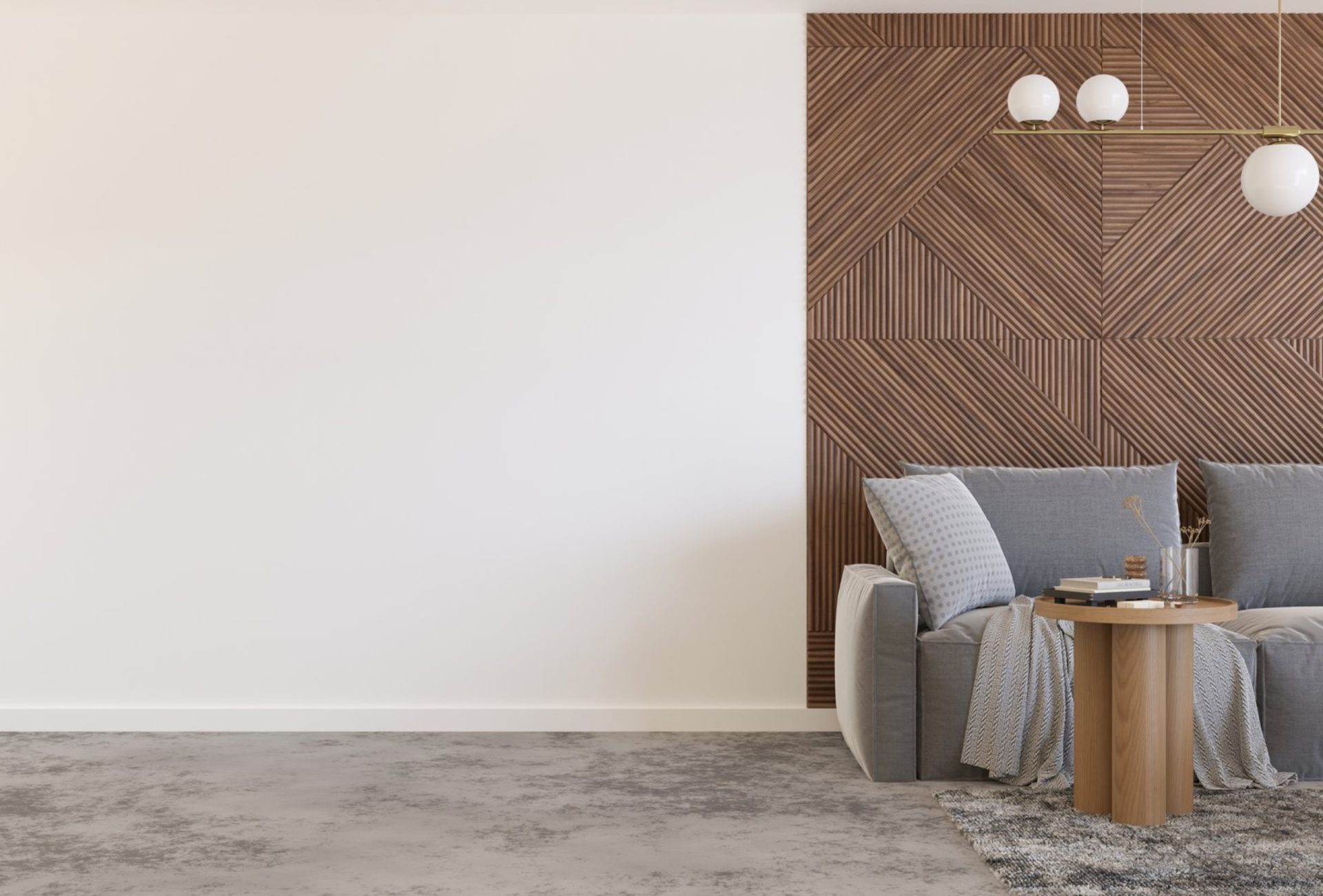
- Feature Walls: Highlight key areas like meeting rooms, reception spaces, or collaborative zones.
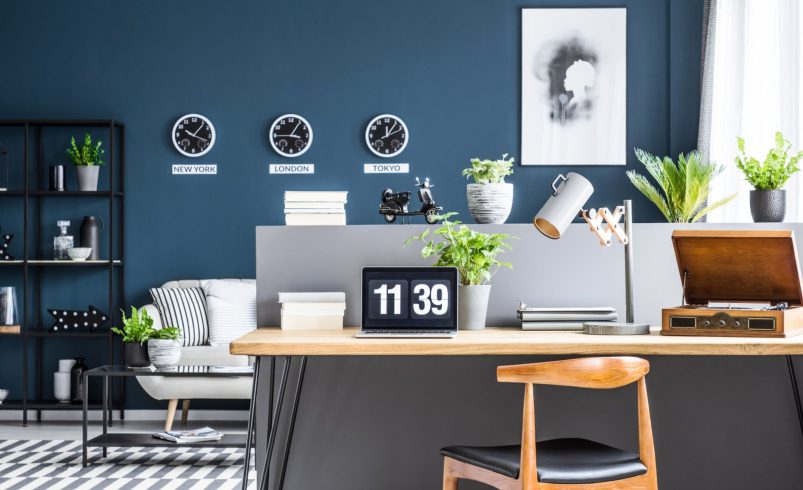
- Color Psychology: Use bold colors in brainstorming or innovation rooms, muted tones in quiet focus areas.
- Balance: Avoid overwhelming employees with too many bright walls; combine accents with neutral surroundings.
3. Consider Office Layout and Lighting
- Open Offices: Lighter colors with subtle accents prevent spaces from feeling chaotic.
- Private Offices: Deep, calming colors can enhance focus and concentration.
- Natural Light: Colors look different in sunlight—test swatches in various lighting conditions.
- Artificial Light: Adjust color choices based on warm or cool office lighting.
4. High-Quality Paints for Commercial Spaces
- Durability Matters: Offices see constant traffic; use washable, stain-resistant paints.
- Finish Recommendations:
- Satin/Eggshell: Easy to clean, ideal for walls.
- Semi-Gloss: Perfect for trim, doors, and high-touch areas.
- Low VOC Options: Improve indoor air quality, reduce odors, and ensure a safer environment.
5. Plan for Minimal Downtime
- Stagger Painting Schedules: Paint common areas after hours to avoid disrupting work.
- Use Quick-Drying Paints: Allows multiple coats in a shorter timeframe.
- Protect Furniture and Flooring: Use drop cloths, tape, and plastic sheeting to prevent damage.
6. Common Office Painting Mistakes to Avoid
- Choosing overly bold colors for all spaces
- Ignoring the psychological impact of color on employees
- Skipping proper surface prep, leading to peeling or uneven finish
- Painting without testing colors in the actual office lighting
- Using low-quality paints that wear quickly
7. Final Thoughts
Office painting is a strategic component of creating a productive, inspiring, and professional workspace. By carefully selecting colors that enhance focus and creativity, incorporating accent walls thoughtfully, and using high-quality, durable paints, businesses can transform their office environment.
A well-painted office boosts employee morale, impresses clients, and contributes to a positive corporate culture—all while maintaining a professional appearance that stands the test of time.