




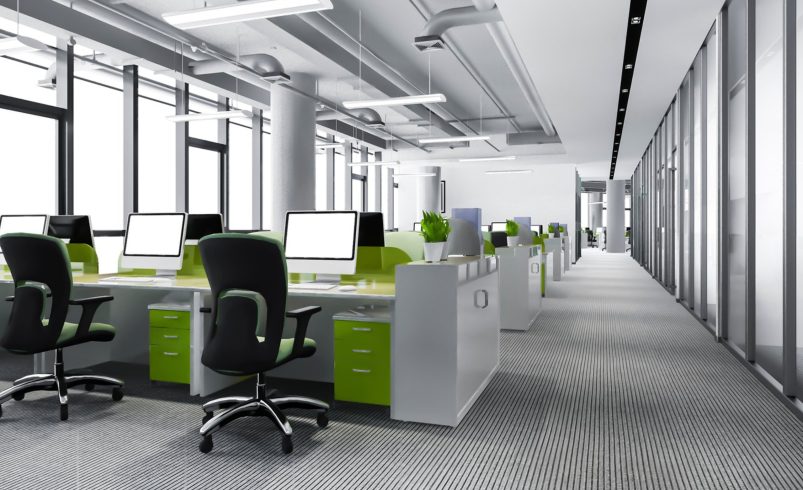

When it comes to painting commercial office spaces, time is a critical factor. Businesses cannot afford long disruptions that affect employee productivity or client visits. Efficient planning, strategic execution, and professional painting techniques ensure minimal downtime while achieving a high-quality finish.
This guide outlines practical tips for completing office painting projects quickly and efficiently without compromising results.
1. Plan Your Painting Schedule Carefully
- After-Hours Work: Schedule painting during evenings, weekends, or off-peak hours to avoid disrupting employees.
- Phased Approach: Paint one area at a time—conference rooms, break rooms, hallways—allowing work to continue in other areas.
- Preparation First: Inspect walls, trim, and ceilings, and complete repairs before painting begins to avoid delays.
Chicagoland Paint Pro Tip: A well-structured schedule keeps projects on track and minimizes interference with business operations.
2. Choose Fast-Drying, Durable Paints
- Quick-Dry Options: Reduce waiting time between coats to speed up completion.
- High-Traffic Durability: Select washable, stain-resistant paints for walls and trim.
- Low VOC Paints: Ensure safer air quality for employees and visitors during and after painting.
3. Optimize Workflow With Professional Techniques
- Use Rollers for Walls: Cover large surfaces efficiently while maintaining a smooth finish.
- Brushes for Trim and Detail Work: Ensure clean edges around doors, windows, and moldings.
- Paint Sprayers for Large Areas: Ideal for lobbies, open offices, and hallways to cut down time drastically.
- Team Coordination: Assign separate crews for prep, painting, and cleanup to streamline the process.
4. Protect Office Furniture and Flooring
- Move or Cover Furniture: Remove movable items or cover them with drop cloths or plastic sheeting.
- Tape Off Edges: Painter’s tape protects baseboards, trim, and windows.
- Floor Protection: Prevent paint spills on carpet or hardwood with protective coverings.
5. Minimize Disruption for Employees
- Communicate Schedule: Inform employees of painting timelines and affected areas.
- Temporary Workspace Arrangements: Allow staff to work in unaffected areas or remotely during painting of high-traffic zones.
- Ventilation: Ensure proper airflow to reduce paint odors and maintain comfort.
6. Prep Work is Key for Speed and Quality
- Surface Cleaning: Remove dust, grease, or stains to ensure paint adheres properly.
- Repair Walls: Patch holes and cracks to avoid uneven finishes and future touch-ups.
- Priming: Essential for patched areas, newly installed drywall, or drastic color changes.
7. Common Mistakes to Avoid
- Starting painting without proper planning, causing delays
- Using slow-drying paint that prolongs downtime
- Ignoring prep work, leading to uneven finishes and rework
- Painting during peak office hours, disrupting productivity
- Neglecting protection for furniture, fixtures, or flooring
8. Final Thoughts
Commercial office painting can be completed efficiently with careful planning, durable paints, and professional techniques. Minimizing downtime protects productivity, reduces tenant or employee disruption, and ensures a smooth, polished result.
By using fast-drying, high-quality paints, strategically phasing the project, and preparing surfaces thoroughly, businesses can maintain a professional appearance while keeping office operations running smoothly. A well-executed painting project not only refreshes the workspace but also enhances employee satisfaction and client impressions.