






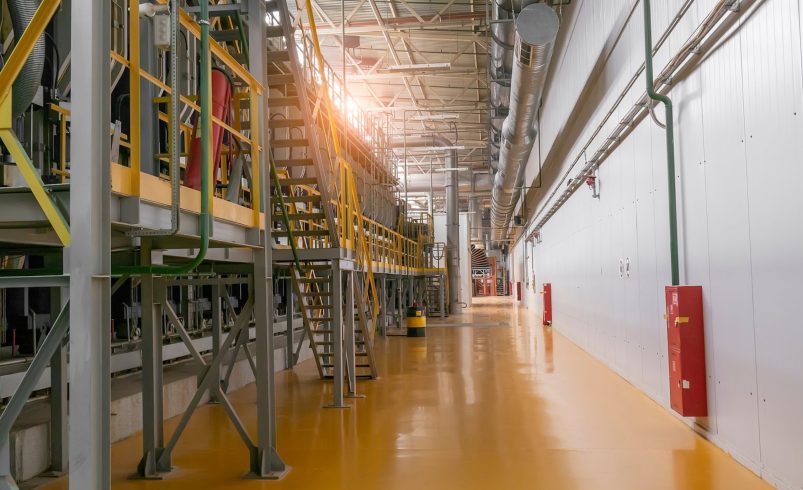

Industrial facilities like factories, warehouses, and manufacturing plants are constantly exposed to harsh conditions. Heavy machinery, chemical exposure, and high traffic can quickly damage unprotected surfaces. Using protective paints designed for industrial environments is essential for maintaining durability, safety, and functionality.
This guide explores the best protective paints for heavy-duty surfaces and how to maximize their performance.
1. Why Protective Paints Are Essential
- Surface Longevity: Protects metal, concrete, and masonry from corrosion, chipping, and wear.
- Chemical Resistance: Shields surfaces from spills, solvents, and industrial chemicals.
- Improved Safety: Bright, durable paint improves visibility and highlights hazards.
- Cost Efficiency: Reduces maintenance frequency and replacement costs over time.
Industrial-grade protective paints are an investment in the facility’s longevity and operational efficiency.
2. Types of Protective Paints
1. Epoxy Paints
- Highly durable and resistant to abrasion and chemicals.
- Ideal for floors, machinery, and high-contact walls.
- Provides a smooth, easy-to-clean surface that stands up to heavy traffic.
2. Polyurethane Paints
- UV-resistant for exterior structures exposed to sunlight.
- Resists scratches and fading, maintaining a professional appearance.
- Works well for metal structures, machinery, and outdoor storage areas.
3. Anti-Corrosive Primers
- Applied before the topcoat to prevent rust and corrosion.
- Essential for steel beams, machinery, and metal doors.
- Increases adhesion and extends the life of topcoats.
4. Zinc-Rich Coatings
- Provides a sacrificial layer on metal surfaces to prevent rust.
- Often used in conjunction with epoxy or polyurethane topcoats.
- Recommended for industrial equipment, pipelines, and structural steel.
5. High-Visibility Safety Paints
- Durable and washable paints for floor markings, safety zones, and hazard alerts.
- Improves compliance with workplace safety regulations.
- Enhances awareness in areas with heavy machinery or forklift traffic.
3. Surface Preparation for Heavy-Duty Surfaces
Proper preparation ensures protective paints perform optimally:
- Clean Thoroughly: Remove dirt, grease, oil, and loose debris.
- Repair Damage: Patch cracks, chips, or rusted areas before painting.
- Prime Surfaces: Use primers suitable for the material (metal, concrete, masonry).
- Apply Even Coats: Multiple thin coats provide better adhesion and durability.
Pro Tip: Skipping surface preparation can drastically reduce the lifespan of protective coatings.
4. Application Tips for Industrial Environments
- Use Proper Equipment: Rollers, brushes, or sprayers suitable for industrial-grade paints.
- Maintain Ventilation: Ensure proper airflow to reduce fumes and improve curing.
- Follow Manufacturer Instructions: Curing times and temperature requirements are critical for longevity.
- Consider Floor Traffic: Avoid applying in areas with ongoing heavy machinery use until fully cured.
5. Maintenance of Protective Paints
- Regular Cleaning: Remove dirt, chemical residue, and spills to maintain surface integrity.
- Inspect Frequently: Check for scratches, chips, or corrosion spots and address immediately.
- Touch-Up Paints: Keep leftover paints for quick repairs to extend surface lifespan.
- Periodic Re-Coating: High-traffic or chemically exposed areas may need re-coating every 3–5 years.
6. Common Mistakes to Avoid
- Using residential paints for industrial applications
- Ignoring chemical resistance requirements for floors and machinery
- Skipping primer or surface cleaning
- Painting in unsuitable weather or temperature conditions
- Neglecting safety paint for high-traffic or hazard zones
7. Final Thoughts
Protective paints for heavy-duty surfaces are vital in industrial environments. By selecting epoxy, polyurethane, and anti-corrosive coatings—and applying them correctly—facilities can significantly extend the life of floors, machinery, and structural elements.
The right protective paint not only safeguards surfaces but also improves safety, reduces maintenance costs, and keeps industrial operations running smoothly.