



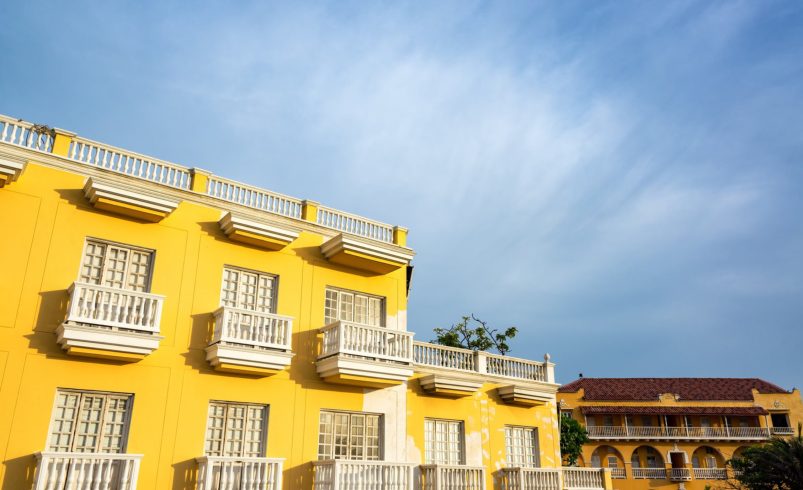

The exterior of a hotel is the first impression guests receive. A fresh, thoughtfully chosen paint palette can elevate the property’s appearance, make it more inviting, and even influence booking decisions. Exterior hotel painting goes beyond aesthetics—it’s about creating a lasting impression and reinforcing your brand identity.
This guide explores strategies for selecting exterior colors that enhance curb appeal and stand the test of time.
1. The Importance of Exterior Color
- First Impressions: Guests often judge a hotel by its exterior; a well-maintained, visually appealing facade conveys quality and care.
- Brand Identity: Exterior colors reflect the hotel’s style, whether it’s modern, boutique, luxury, or family-friendly.
- Neighborhood Harmony: Colors should complement the surrounding environment while maintaining a distinctive look.
2. Choosing the Right Color Palette
1. Neutral and Timeless Shades
- Whites, creams, soft grays, and beige create a clean, elegant look.
- Pairs well with natural landscaping, stone accents, or metal trims.
2. Bold Accents for Modern Appeal
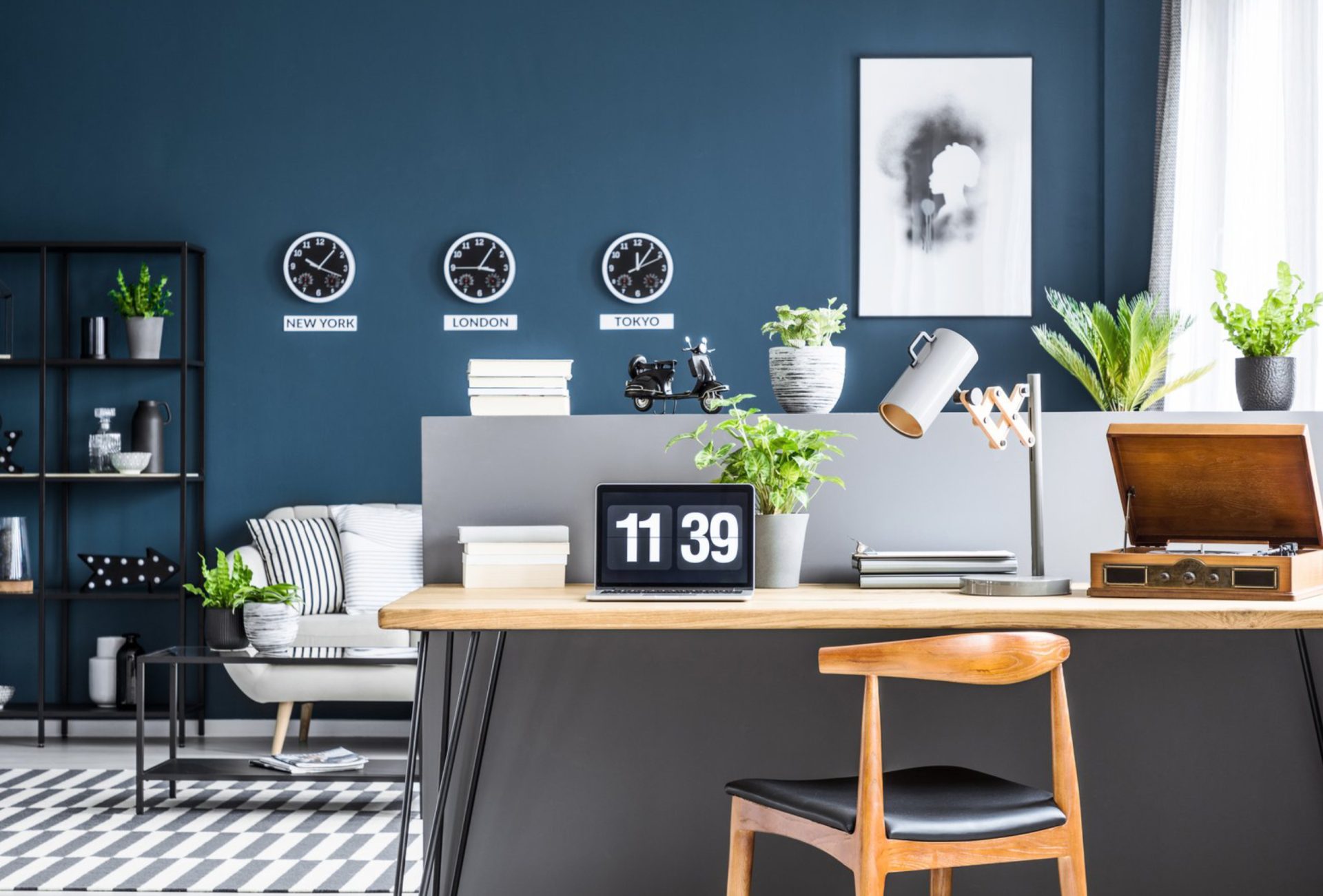
- Deep blues, charcoals, or forest greens give contemporary, striking impressions.
- Use as accent panels, shutters, or trims to highlight architectural features.
3. Warm and Inviting Hues
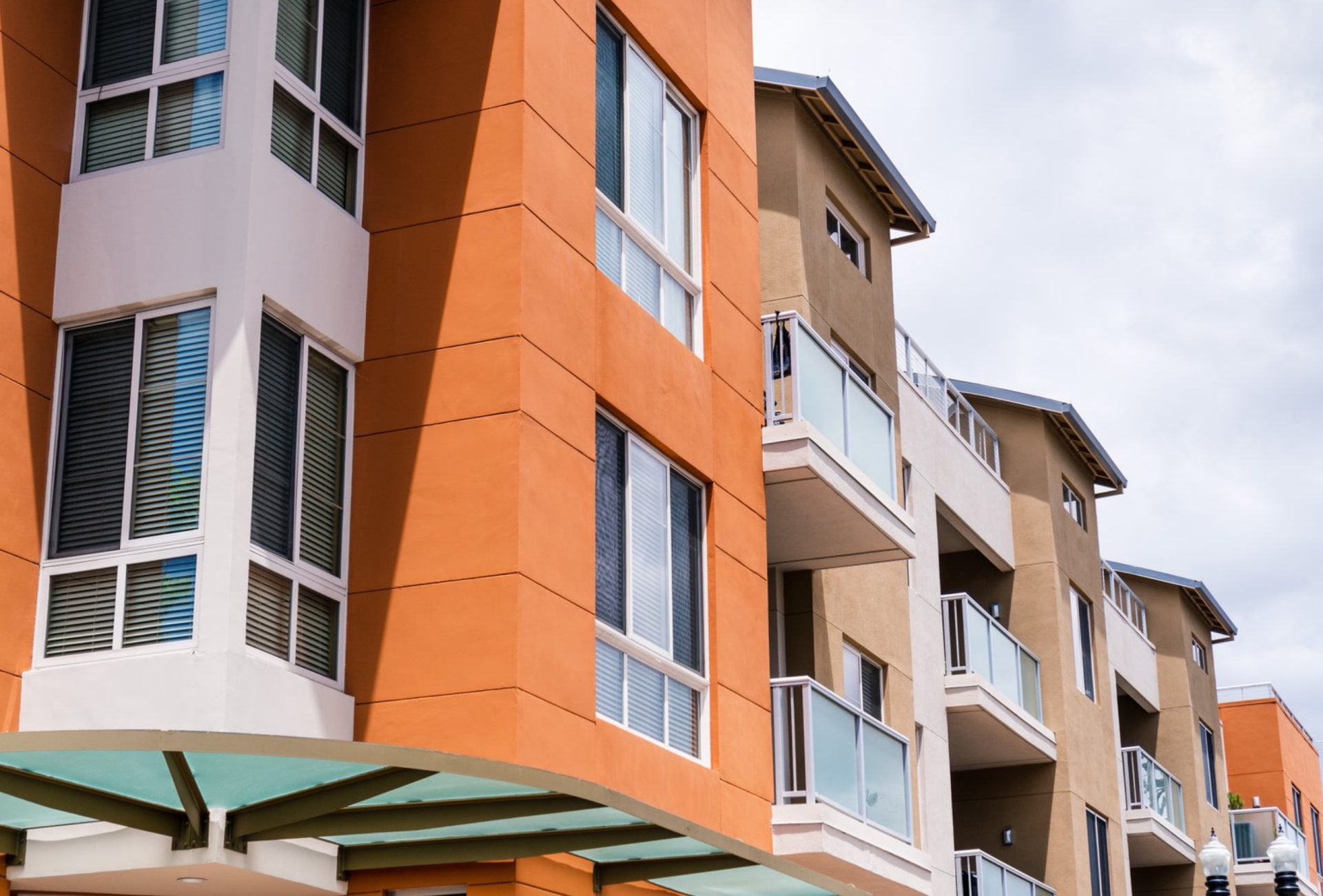
- Soft yellows, terracottas, and warm taupes create a welcoming atmosphere for guests.
- Works well for boutique or family-oriented hotels.
4. Metallic or Specialty Finishes
- Subtle metallic paints on trims or signage can add sophistication and luxury.
- Reflects sunlight, adding dimension and elegance to the facade.
3. Exterior Paint Finishes for Longevity
- Satin or Semi-Gloss: Resistant to weather, easy to clean, ideal for walls and trims.
- High-Performance Coatings: UV-resistant paints prevent fading in sunny climates.
- Water-Resistant Paints: Protects against rain, snow, and moisture penetration.
- Eco-Friendly Options: Low-VOC paints reduce environmental impact and improve outdoor air quality.
Pro Tip: Combining durability with aesthetic appeal ensures your hotel maintains its pristine look year-round.
4. Highlighting Architectural Features
- Trim and Cornices: Use contrasting colors to emphasize details.
- Entryways and Porticos: Bold, welcoming colors draw attention to main entrances.
- Balconies and Railings: Accent with metallic or complementary shades to elevate elegance.
- Signage: Coordinate exterior wall colors with branding and signage for cohesive appeal.
5. Considerations for Climate and Maintenance
- Weather Effects: Lighter shades reflect heat in hot climates; darker shades retain warmth in cooler regions.
- Material Compatibility: Wood, stucco, brick, and concrete surfaces require specific paints for adhesion and durability.
- Maintenance: Regular touch-ups and washing extend paint life and maintain curb appeal.
6. Color Trends for Hotel Exteriors
- Classic Neutrals: Timeless beige, ivory, and gray shades remain popular for upscale properties.
- Earth Tones: Natural greens, browns, and terracotta for boutique or eco-friendly hotels.
- Bold Modern Shades: Deep blues, charcoal, and black trims for contemporary luxury hotels.
- Two-Tone Palettes: Combining a neutral base with vibrant accent trims adds dimension and sophistication.
Pro Tip: Always test color samples in natural light before committing to large-scale exterior painting.
7. Common Mistakes to Avoid
- Choosing colors that clash with the surrounding neighborhood.
- Overusing dark colors that make the building look smaller or uninviting.
- Neglecting surface preparation, leading to peeling or uneven finishes.
- Ignoring weather and material compatibility for long-term durability.
- Forgetting to coordinate exterior accents, trims, and signage with the main color.
8. Final Thoughts
Exterior painting is a strategic way to boost a hotel’s curb appeal and reinforce its brand identity. By choosing the right palette, finishes, and accent details, hotels can create an inviting first impression, attract more guests, and maintain an elegant appearance over time.
A professional exterior painting plan not only enhances aesthetics but also ensures durability, reduces maintenance costs, and elevates the overall guest experience.