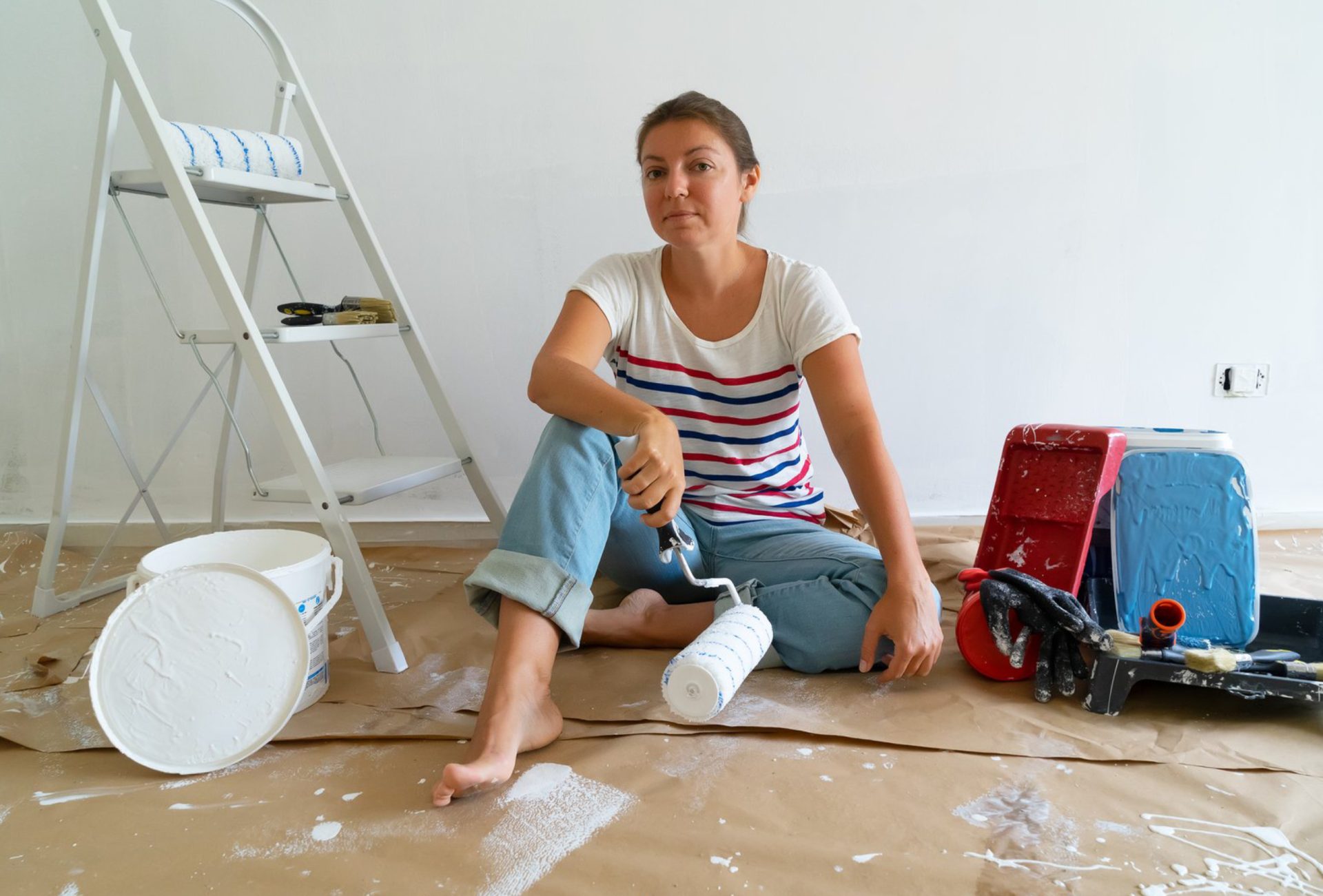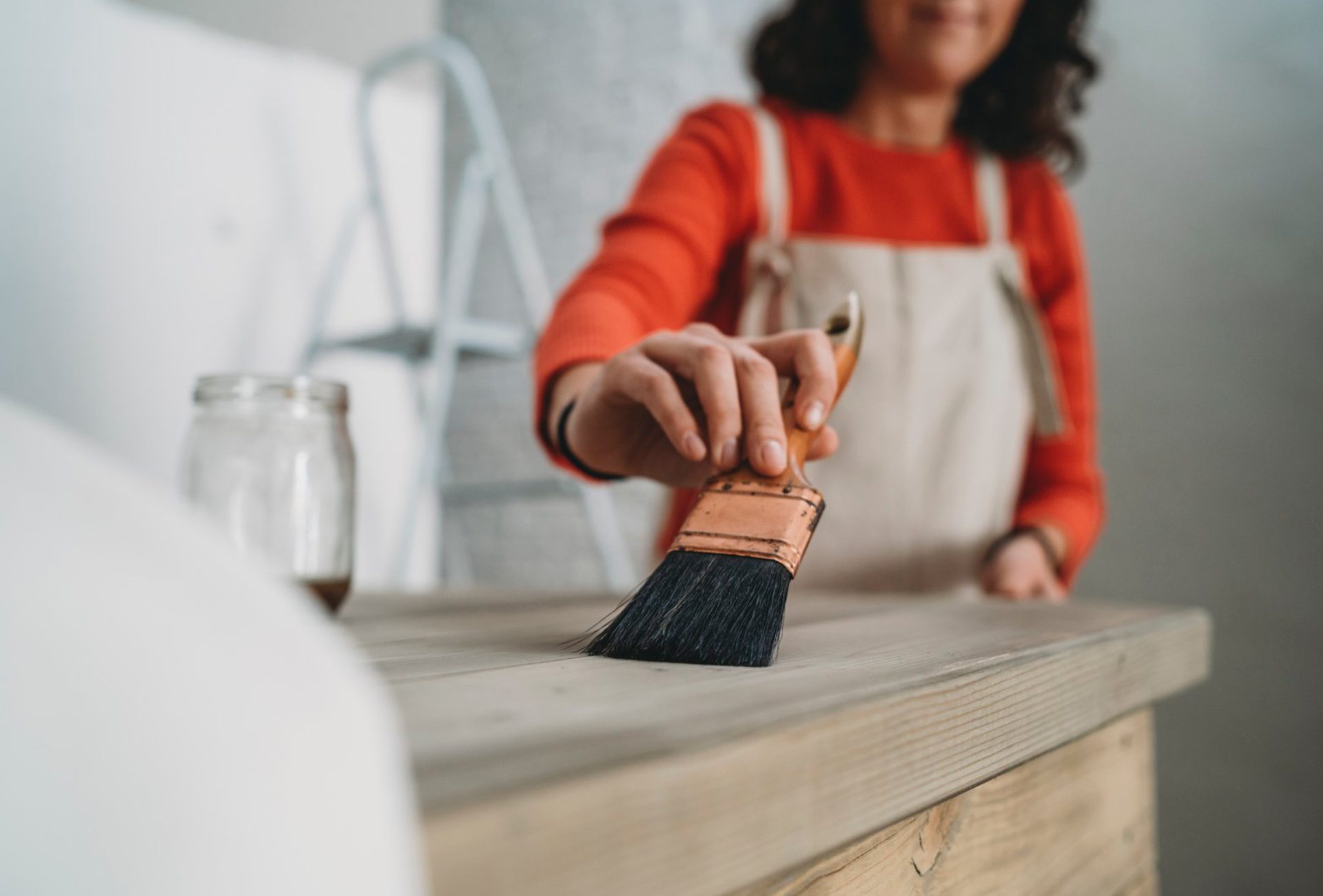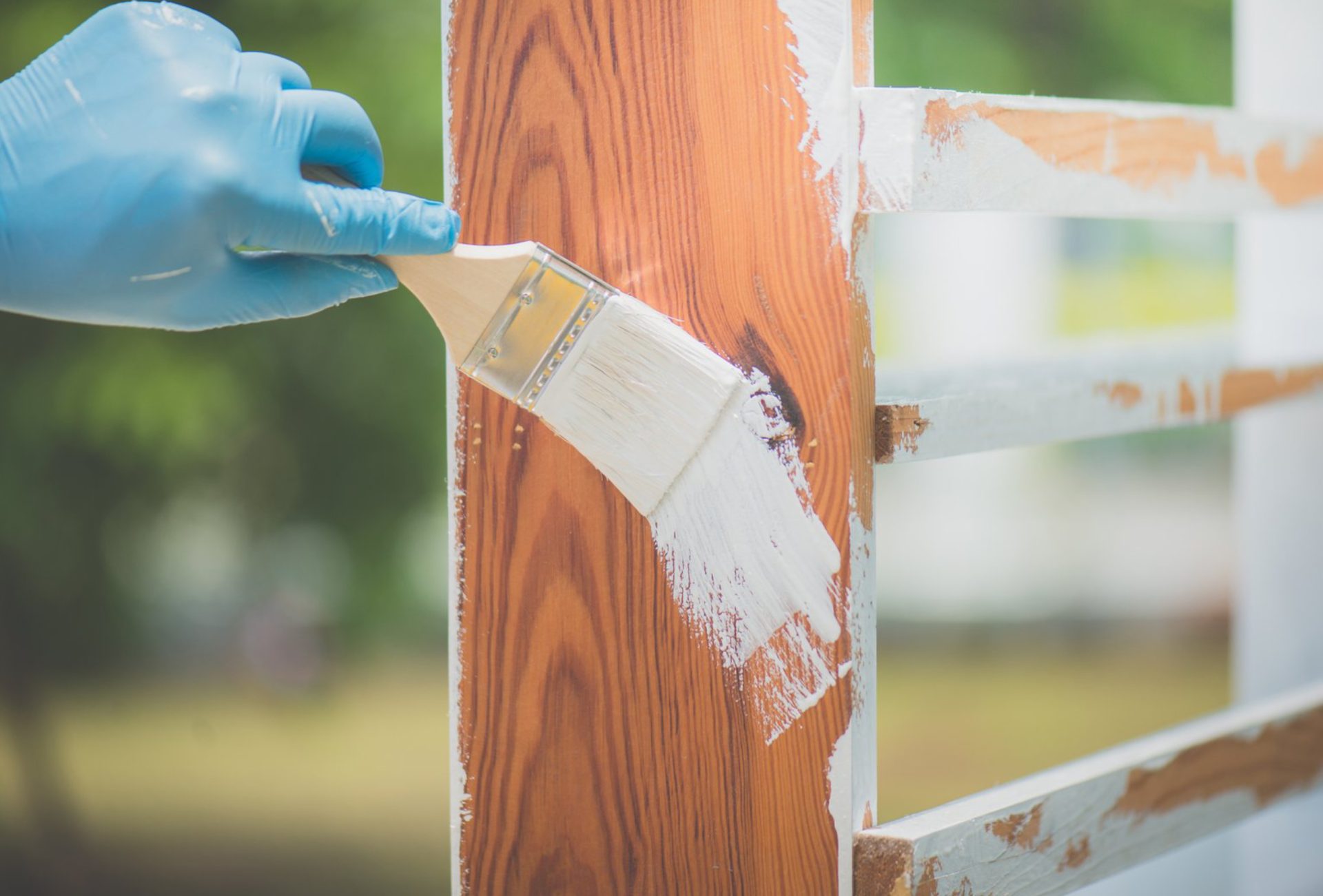





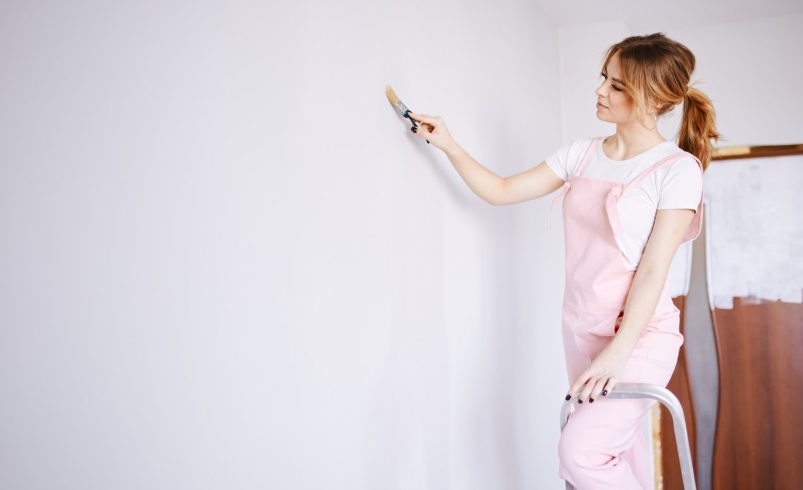

Painting your home’s interior can be rewarding, but even small mistakes can ruin the look, leaving uneven color, streaks, or peeling paint. Whether you’re a first-time DIYer or have some experience, understanding the most common painting mistakes and learning how to avoid them will save time, money, and frustration. This guide highlights the pitfalls to watch for and provides practical tips to achieve a professional-quality finish every time.
1. Skipping Proper Preparation
One of the biggest mistakes beginners make is starting to paint without preparing the surfaces. Skipping prep can cause uneven coverage, peeling, or bubbling.
How to avoid it:
- Clean walls thoroughly to remove dust, grease, and grime.
- Fill holes, cracks, and dents with spackling or wall filler, then sand smooth.
- Lightly sand glossy surfaces to help paint adhere.
- Apply a primer, especially on new drywall, patched areas, or dark walls, to ensure even color and coverage.
2. Using the Wrong Paint or Finish
Choosing the wrong type of paint for your space can affect both appearance and durability.
Common issues:
- Flat paint in high-traffic areas may stain easily.
- Glossy paint on textured walls can highlight imperfections.
- Mismatched finishes can create a patchy look.
How to avoid it:
- Use satin or eggshell for living areas and bedrooms.
- Semi-gloss or gloss works well on trim, doors, kitchens, and bathrooms.
- Test a small patch before painting an entire wall to see how it looks in different lighting.
3. Overloading or Underloading the Roller
Too much or too little paint on your roller leads to streaks, drips, or uneven texture.
How to avoid it:
- Dip the roller in paint, then roll it on the tray’s ridges to remove excess.
- Apply thin, even layers rather than one thick coat.
- Use multiple thin coats to achieve full coverage.
4. Painting Without a Wet Edge
Failing to maintain a wet edge while painting can leave lap marks—uneven lines where paint overlaps.
How to avoid it:
- Work in small sections, blending new paint into the still-wet area.
- Roll in a “W” or “M” pattern, then fill in with horizontal or vertical strokes to cover evenly.
- Don’t pause mid-section; complete each wall section while the paint is still wet.
5. Ignoring Edges and Corners
Messy edges, ceiling lines, and trim can make even a smooth wall look unprofessional.
How to avoid it:
- Use painter’s tape along ceilings, baseboards, and trim.
- Carefully “cut in” edges with an angled brush before rolling large wall areas.
- Remove tape after paint dries to prevent peeling.
6. Not Considering Lighting
Paint colors can look very different depending on the room’s lighting. Choosing without testing can lead to disappointment.
How to avoid it:
- Test colors on a small section of wall.
- Observe how the paint looks at different times of day—morning, afternoon, and evening.
- Consider the type of light bulbs in the room (warm vs cool lighting).
7. Rushing the Drying Process
Painting too soon over a wet coat or rushing cleanup can compromise the finish.
How to avoid it:
- Follow manufacturer’s recommended drying times between coats.
- Avoid high humidity or low temperatures, which slow drying and can cause bubbles or streaking.
- Ensure proper ventilation to speed up drying and reduce fumes.
8. Neglecting Tools and Maintenance
Poor-quality or dirty brushes and rollers can leave streaks, hairs, or uneven texture.
How to avoid it:
- Use high-quality brushes and rollers suited for your paint type.
- Clean brushes and rollers thoroughly after each use.
- Replace worn rollers or frayed brushes.
9. Overlooking Final Inspection
Even after painting, small imperfections may remain unnoticed until the paint fully dries.
How to avoid it:
- Inspect walls after drying in natural light.
- Touch up missed spots or uneven areas with a small brush.
- Step back frequently while painting to check for streaks or inconsistencies.
10. Trying to Do Too Much at Once
Painting large areas without breaks or attempting complex rooms in a single day can cause fatigue and mistakes.
How to avoid it:
- Break projects into manageable sections.
- Focus on one wall or area at a time.
- Take short breaks to maintain focus and precision.
Conclusion
Avoiding common interior painting mistakes is the key to a smooth, professional-looking finish. By preparing surfaces properly, using the right materials and tools, and applying correct techniques, even beginners can transform their home interiors with confidence. Patience, attention to detail, and proper planning ensure your DIY painting project looks polished and long-lasting.