


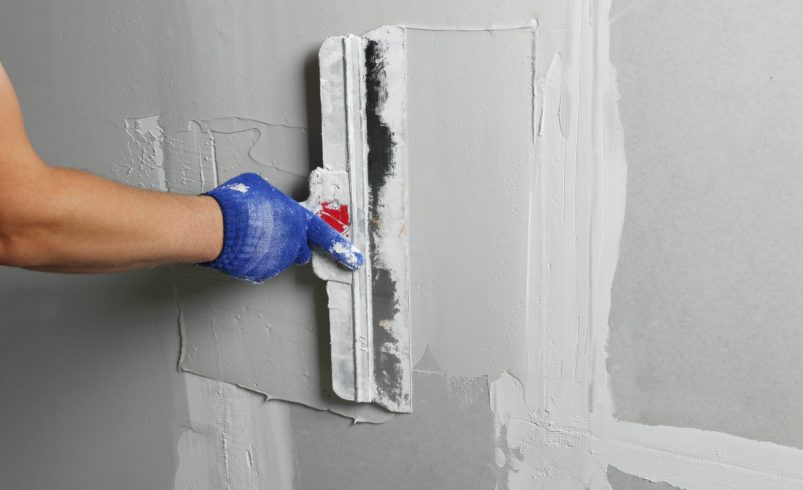

Drywall repair is often an essential part of maintaining a home, office, or commercial space. However, costs can vary widely depending on several factors. Understanding what drives the price of drywall repairs can help homeowners, landlords, and property managers plan budgets effectively, avoid surprises, and achieve professional results.
In this guide, we explore the key factors that influence drywall repair costs, with practical insights for Chicagoland residents in 2026.
1. Size and Severity of the Damage
The most obvious factor affecting cost is how much of the drywall is damaged:
- Small holes (nail or screw holes): Typically repaired with spackle or joint compound; costs are lower.
- Medium damage (6–12 inch holes, cracks): Requires cutting, taping, and sanding; more labor and materials.
- Large holes (over 12 inches, water or impact damage): May involve replacing entire drywall sheets, priming, and finishing; higher costs.
Larger damage requires more materials, labor, and time, increasing overall repair costs.
2. Location of the Damage
Where the damage occurs significantly affects repair pricing:
- Walls vs. ceilings: Ceiling repairs are more complex due to gravity, access, and finishing challenges.
- Corners and textured areas: Matching textures or architectural features requires skilled labor.
- High-traffic or commercial areas: Often need stronger or specialty materials for durability.
Complex or hard-to-reach areas increase labor time and cost.
3. Type of Damage
Different types of drywall damage require different approaches:
- Cracks: Can be superficial or structural; may require joint tape, compound, or reinforcement.
- Water damage: Needs drying, mold prevention, and sometimes replacement of panels.
- Impact holes: Larger holes often require full patching and finishing.
Specialized repairs such as mold remediation or structural reinforcement increase costs but prevent future problems.
4. Material Costs
The type of drywall and materials used influences pricing:
- Standard drywall: Affordable and widely used.
- Moisture-resistant drywall: Ideal for bathrooms, basements, and kitchens.
- Fire-resistant drywall: Often required in commercial settings or by building codes.
- Finishing materials: Joint compound, tape, primers, and paint add to the total cost.
Choosing the right materials ensures durability and long-term savings.
5. Labor Costs and Expertise
Labor is usually the largest portion of drywall repair costs:
- Experienced contractors ensure smooth, seamless repairs that blend with existing walls.
- DIY repairs may save money but risk poor finishing on medium or large holes.
- Factors like high ceilings, textured walls, or multiple rooms increase labor requirements.
Investing in professional labor ensures a long-lasting and aesthetically pleasing result.
6. Finishing and Painting
After repairing drywall, proper finishing is critical:
- Sanding and priming prepare surfaces for paint and prevent uneven textures.
- Matching paint and texture in older walls may require extra time and skill.
- High-quality paint increases upfront cost but provides better durability.
Skipping proper finishing often leads to visible seams or imperfections, reducing the effectiveness of the repair.
7. Accessibility and Project Logistics
Accessibility affects labor and equipment costs:
- Multi-story buildings may require ladders, scaffolding, or lifts.
- Tightly packed rooms slow down work and increase time.
- Fast-track schedules require additional labor or overtime.
Proper planning ensures efficient, cost-effective repairs.
8. Geographic Location
In Chicago and surrounding areas, local factors can influence cost:
- Labor rates: Urban vs suburban rates vary.
- Material availability: Specialty drywall or coatings may cost more locally.
- Building codes: Commercial projects may require specific drywall types or fire-rated panels.
- Seasonal weather: Humidity and temperature impact drying and finishing, sometimes adding time or cost.
Understanding local factors allows for more accurate budgeting.
9. Extent of Preparation Needed
Preparation is often overlooked but can affect pricing:
- Cleaning and sanding walls before patching
- Removing old paint or damaged sections
- Reinforcing weak or crumbling drywall
Projects with extensive prep require more labor and materials, increasing costs but ensuring long-term results.
10. Complexity of the Repair
Complex repairs increase cost:
- Textured walls: Matching popcorn, knockdown, or other textures requires skill.
- Multiple connected rooms: Requires careful planning to maintain consistency.
- Commercial-grade drywall or special coatings: May require multiple layers or specialty products.
More complex repairs take longer and require experienced professionals, raising the price.
Cost-Saving Tips
- Combine Repairs: Repair multiple areas at once to reduce labor costs.
- DIY for Small Holes: Nail or screw holes can often be patched by yourself.
- Choose Quality Materials: Durable materials reduce the need for frequent repairs.
- Hire Local Professionals: Compare multiple quotes to get competitive pricing.
- Plan Painting Separately: Budgeting for paint and finishing ensures a smooth workflow.
Chicagoland Paint Pro: Drywall Repair Experts
Chicagoland Paint Pro provides expert drywall repair services:
- Skilled team for walls, ceilings, and textured surfaces
- Accurate cost estimates based on size, location, and complexity
- Seamless patching, sanding, and finishing
- Transparent pricing and professional guidance
We ensure that your drywall repairs are durable, visually appealing, and completed efficiently.
Conclusion
Several factors impact the cost of drywall repairs, including size and severity of damage, location, type of damage, materials, labor, finishing, accessibility, and local conditions. Understanding these variables helps homeowners, landlords, and business owners budget wisely and achieve professional results.
With Chicagoland Paint Pro, you can ensure long-lasting, seamless repairs that enhance the safety, functionality, and aesthetics of your space—whether it’s a small hole or major wall damage.