






Choosing the right paint for warehouses is critical for durability, safety, and functionality. Industrial floors and walls endure heavy traffic, chemical exposure, and frequent cleaning, so selecting the proper coatings ensures longevity and reduces maintenance costs.
This guide explores the best paint types for warehouse floors and walls, along with application tips to maximize performance.
1. Paints for Warehouse Floors
- Epoxy Floor Coatings:
- Provide a tough, chemical-resistant surface.
- Ideal for areas with forklift traffic, pallets, and heavy machinery.
- Resistant to abrasion and staining.
- Polyurethane Floor Coatings:
- Flexible, durable, and UV-resistant.
- Offers a glossy finish that enhances brightness and visibility.
- Often used in combination with epoxy for added durability.
- Acrylic Concrete Floor Paints:
- Quick-drying and budget-friendly.
- Suitable for light-to-moderate traffic areas.
- Easy to apply and maintain.
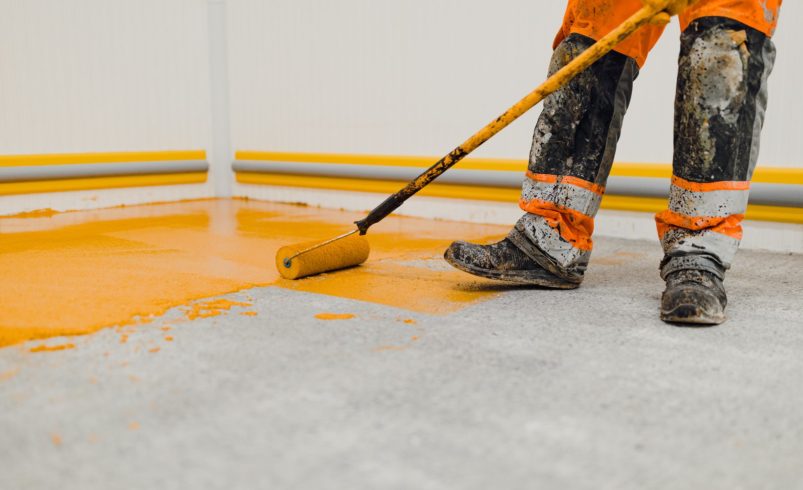
Tip: Always clean and prep floors before painting. Etching or priming concrete ensures proper adhesion and a long-lasting finish.
2. Paints for Warehouse Walls
- High-Durability Latex Paints:
- Provides a smooth finish and is easy to clean.
- Resistant to scuffs, dirt, and moisture.
- Epoxy Wall Coatings:
- Ideal for walls exposed to chemicals or frequent contact.
- Offers a hard, protective surface that resists staining.
- Industrial Enamel Paints:
- Provides a semi-gloss finish for easy cleaning.
- Durable and resistant to wear and tear.
3. Specialty Coatings for Safety and Organization
- High-Visibility Paints: Mark pathways, hazardous zones, or storage areas using yellow, orange, or red.
- Anti-Slip Coatings: Essential for floors in wet or high-traffic zones to reduce accidents.
- Fire-Retardant Paints: Recommended for areas with heat or fire risk.
4. Factors to Consider When Selecting Paint
- Traffic and Usage: Floors exposed to heavy equipment need epoxy or polyurethane coatings.
- Chemical Exposure: Walls near cleaning stations, storage areas, or machinery may need chemical-resistant paints.
- Maintenance Needs: Smooth, washable surfaces reduce cleaning time and extend the paint’s life.
- Lighting and Visibility: Lighter wall colors improve brightness, reducing energy costs and enhancing safety.
- Budget: Consider upfront cost versus long-term maintenance and durability.
5. Surface Preparation Tips
- Clean floors and walls thoroughly to remove dust, grease, and contaminants.
- Repair cracks, chips, or damaged surfaces before applying paint.
- Use primers suitable for concrete, metal, or masonry to ensure proper adhesion.
- Apply paint in thin, even layers for a professional finish.
6. Common Mistakes to Avoid
- Using residential-grade paint for industrial floors or walls
- Skipping proper cleaning and priming, leading to peeling or flaking
- Ignoring safety markings, creating hazards for employees
- Applying paint too thickly, causing uneven surfaces
- Failing to account for chemical or moisture exposure
7. Final Thoughts
Selecting the right paints for warehouse floors and walls is essential for safety, durability, and operational efficiency. Industrial-grade epoxy, polyurethane, and latex paints provide protection against heavy traffic, chemical spills, and wear while maintaining a clean, professional appearance.
Proper surface preparation, attention to traffic and chemical exposure, and the use of high-quality paints ensure long-lasting results, making your warehouse safer, more efficient, and easier to maintain.