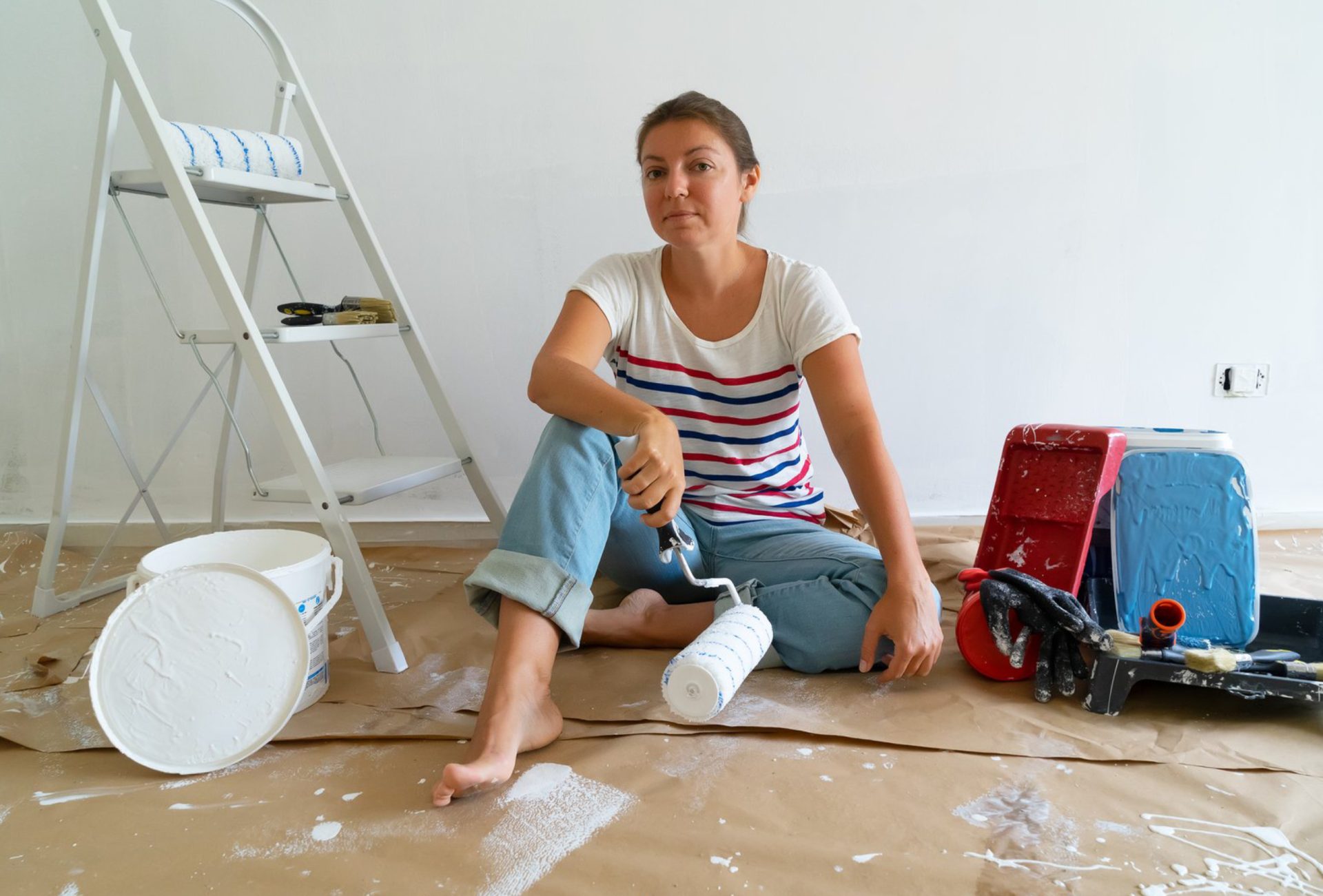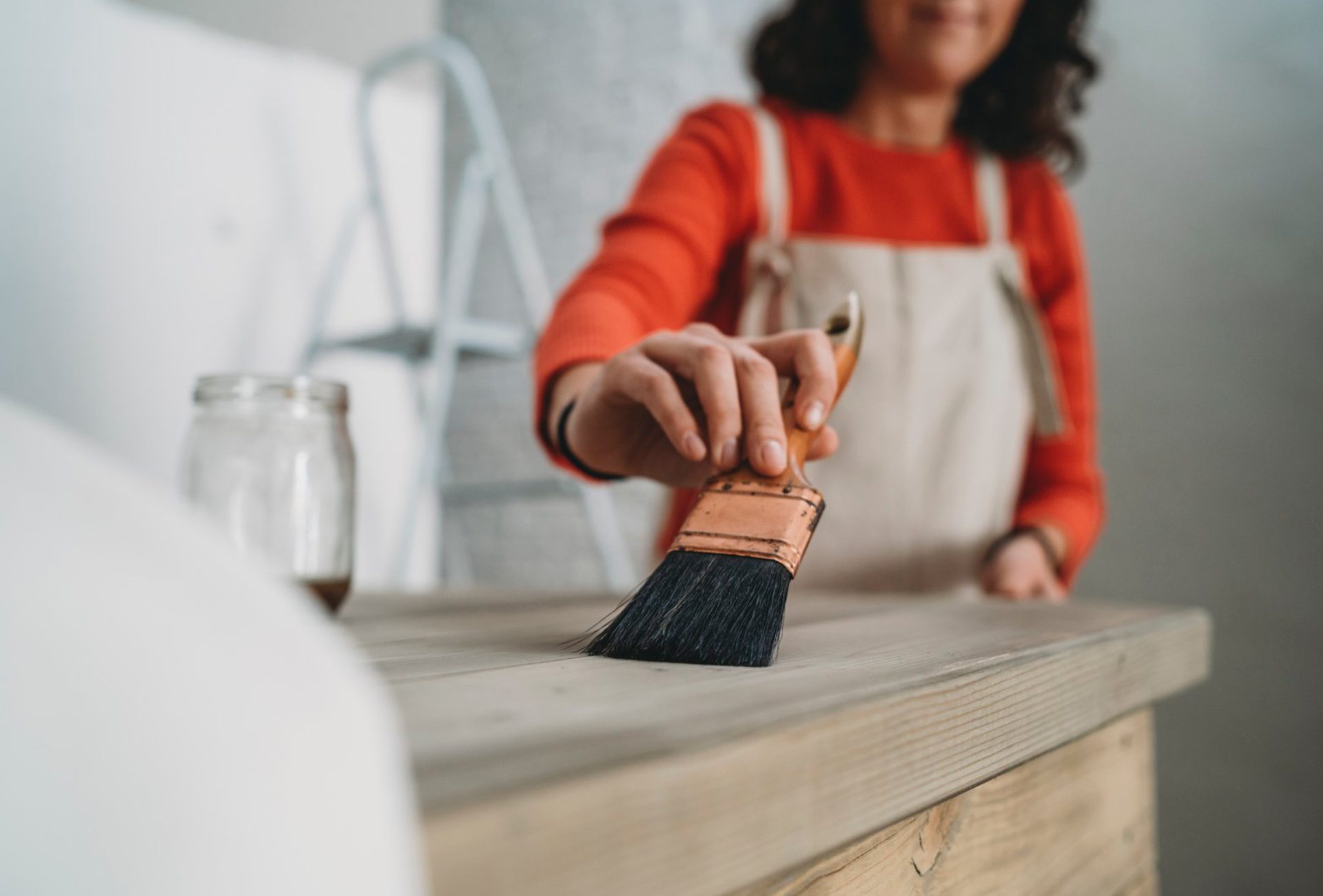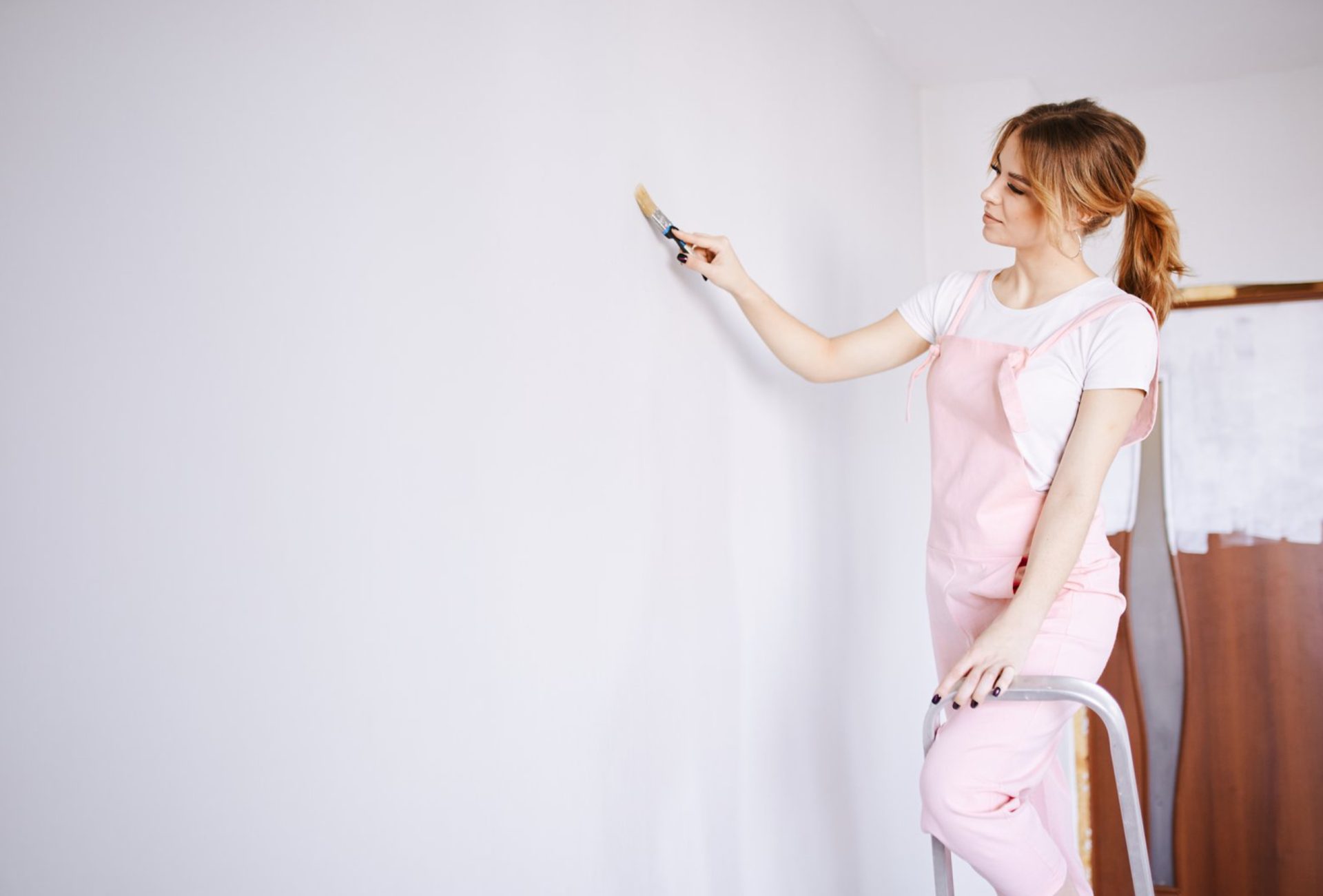





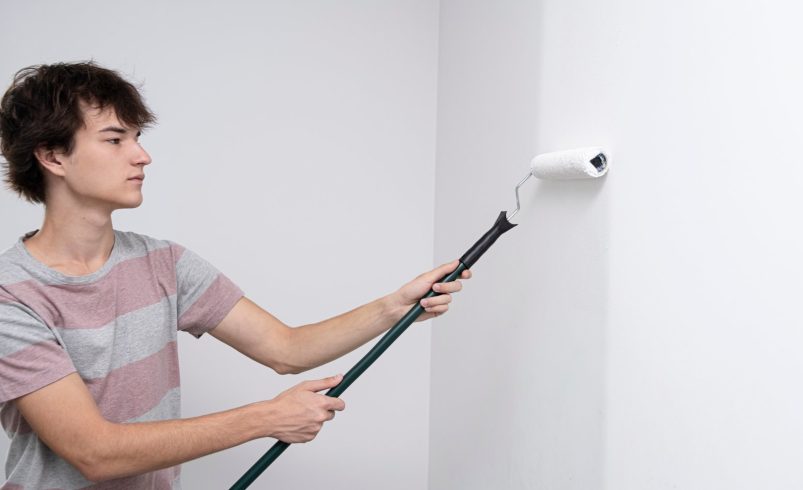

Selecting the right painting tools is essential for achieving professional results. Each project is different, and using the wrong brush, roller, or sprayer can lead to uneven coverage, streaks, or wasted paint. This guide explains how to choose the perfect tools for your project, whether you are painting interiors, exteriors, furniture, or detailed trim.
1. Choosing the Right Paint Brush
Brushes are essential for precision work, corners, and edges.
- Types of Brushes:
- Angled Brushes: Ideal for cutting in around edges, windows, doors, and trim.
- Flat Brushes: Best for large flat surfaces, doors, and panels.
- Bristle Material:
- Synthetic (Nylon or Polyester): Works best with water-based (latex) paints; durable and smooth.
- Natural Bristles: Works well with oil-based paints; provides a smoother finish.
- Size Matters:
- Small brushes (1–2 inches) for detailed trim and corners.
- Larger brushes (3–4 inches) for wide surfaces.
Tips for Use:
- Load the brush evenly to avoid drips and streaks.
- Clean brushes immediately after use to prolong life.
- Invest in high-quality brushes; they make cutting in much easier and reduce bristle shedding.
2. Selecting the Right Roller
Rollers allow faster coverage on large surfaces with a smooth finish.
- Nap Length (Thickness):
- Short Nap (¼–⅜ inch): Smooth surfaces like drywall or cabinets.
- Medium Nap (½–¾ inch): Semi-smooth walls, lightly textured surfaces.
- Long Nap (1 inch or more): Rough surfaces like stucco, brick, or textured siding.
- Roller Material:
- Synthetic: Suitable for latex paints and most surfaces.
- Natural: Ideal for oil-based paints.
- Roller Frames: Choose sturdy frames with comfortable handles to reduce fatigue.
Tips for Use:
- Roll in a “W” or “M” pattern, then fill in for even coverage.
- Avoid overloading with paint to prevent drips and uneven texture.
3. Selecting a Paint Sprayer
Paint sprayers offer speed and smooth coverage for large areas and textured surfaces.
- Types of Sprayers:
- Airless Sprayers: High pressure, fast coverage, ideal for walls, siding, fences, and decks.
- HVLP (High Volume Low Pressure): Perfect for detailed work, cabinets, furniture, and trim.
- Advantages:
- Fast application and smooth, uniform finish.
- Reaches corners and textured surfaces more efficiently than rollers.
- Considerations:
- Requires thorough masking to protect surrounding areas.
- Can consume more paint than brushes or rollers if not used properly.
- Back-roll after spraying to ensure paint penetrates textured surfaces.
4. Matching Tools to Project Type
Different tools are better suited to specific projects:
- Interior Walls: Rollers for main surfaces, brushes for trim, small sprayers optional for large rooms.
- Exterior Surfaces: Rollers for siding, brushes for trim and corners, airless sprayer for large walls or textured finishes.
- Furniture and Cabinets: Brushes for detailed work, HVLP sprayer for smooth, flawless finishes.
- Trim and Doors: Angled brushes or HVLP sprayer for clean edges and smooth results.
5. Tool Maintenance for Long-Term Use
Caring for your brushes, rollers, and sprayers improves performance and extends lifespan:
- Brushes: Clean with soap and water for latex paints, or mineral spirits for oil-based paints. Store upright to maintain shape.
- Rollers: Wash thoroughly, spin-dry, and store in plastic wrap or airtight bags if not immediately using.
- Sprayers: Disassemble and clean immediately after use; flush all hoses and nozzles to prevent clogging.
6. Safety Considerations
Using the right tools safely prevents accidents and ensures proper results:
- Wear gloves, masks, and eye protection when spraying or sanding.
- Use ladders or scaffolding safely when working on high walls.
- Keep children and pets away from paint areas, especially when spraying.
7. Pro Tips for Best Results
- Test brushes, rollers, or sprayers on a small section before starting the main project.
- For textured surfaces, use long-nap rollers or sprayers to ensure full coverage.
- Invest in high-quality tools; they save time, reduce frustration, and improve the final finish.
- Always prepare surfaces properly before using any tool to maximize adhesion and durability.
Conclusion
Choosing the right brush, roller, or sprayer is crucial for achieving professional results in both interior and exterior painting projects. By matching tools to surface type, paint, and project size, and maintaining them properly, DIYers and professionals alike can save time, reduce mistakes, and achieve a flawless finish. With the right selection and usage, painting becomes faster, easier, and more enjoyable while producing a long-lasting, beautiful result.