



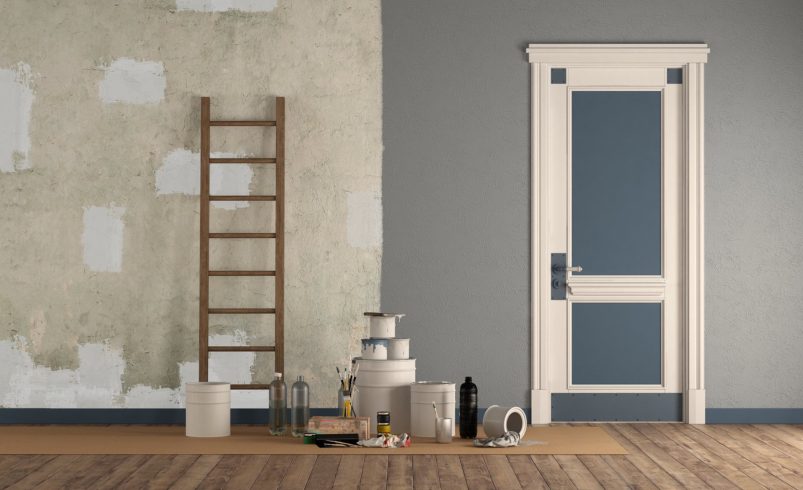

After repairing water-damaged walls, selecting the right paint is crucial to ensure durability, prevent recurring issues, and restore a flawless appearance. Not all paints are created equal; some are better suited for high-moisture areas, while others provide excellent stain coverage. This guide walks you through the best choices for repainting walls after water damage and how to prepare the surface for long-lasting results.
1. Start With a Properly Repaired Surface
Before painting, make sure:
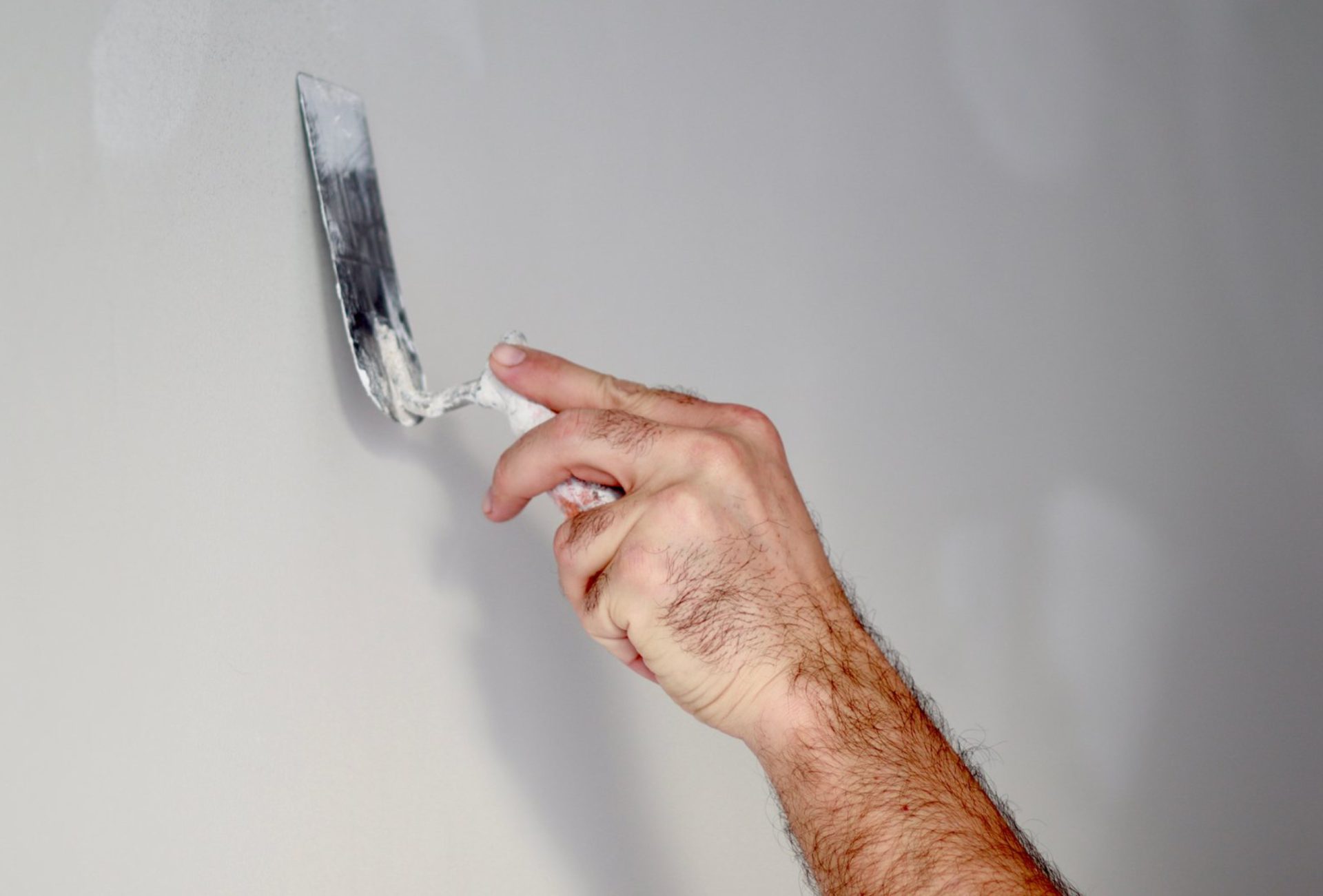
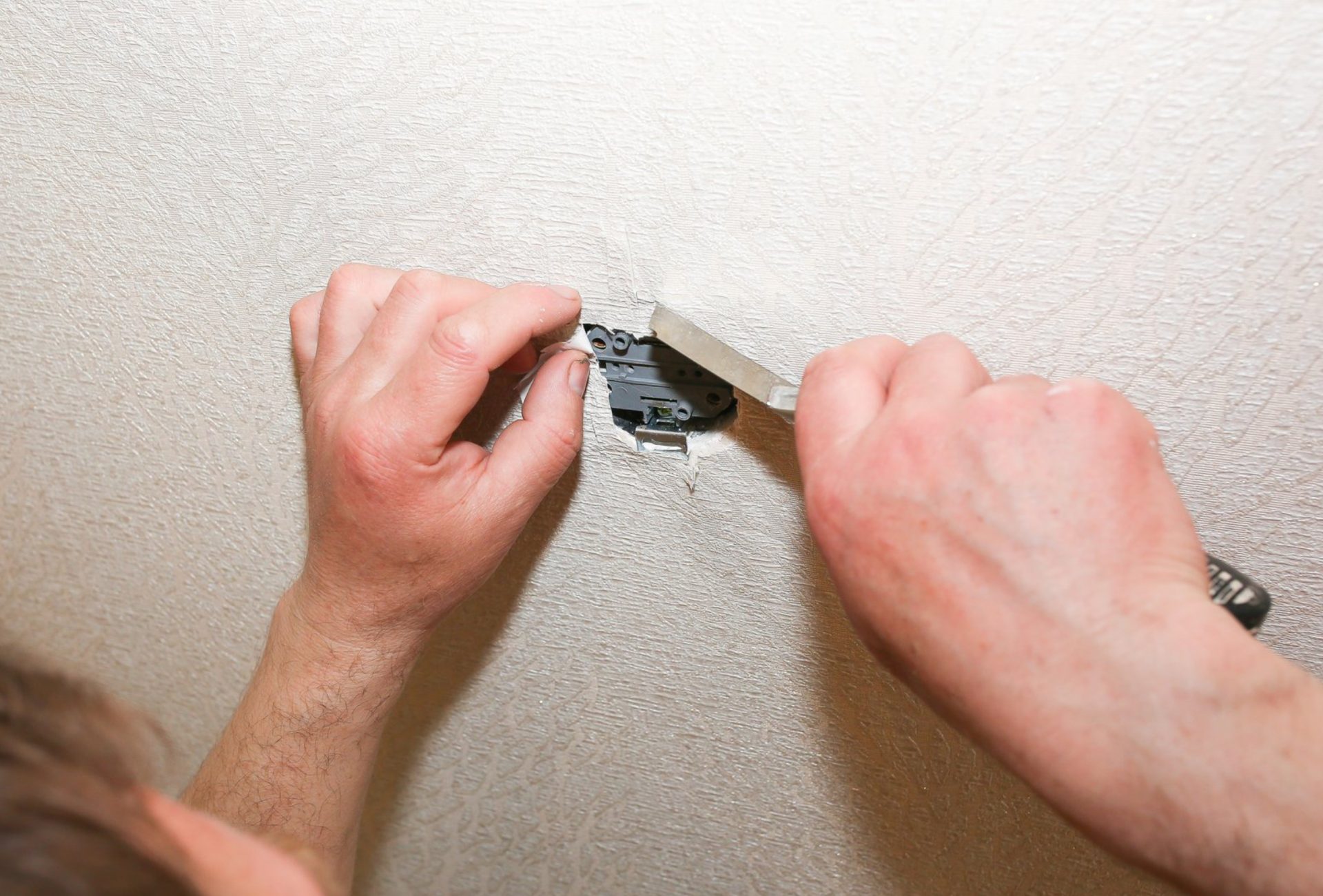
- All damaged drywall or plaster has been replaced or repaired.
- Cracks and holes are patched with spackle or joint compound.
- Surfaces are clean, dry, and free from mold or mildew.
- Sanded surfaces are smooth and dust-free.
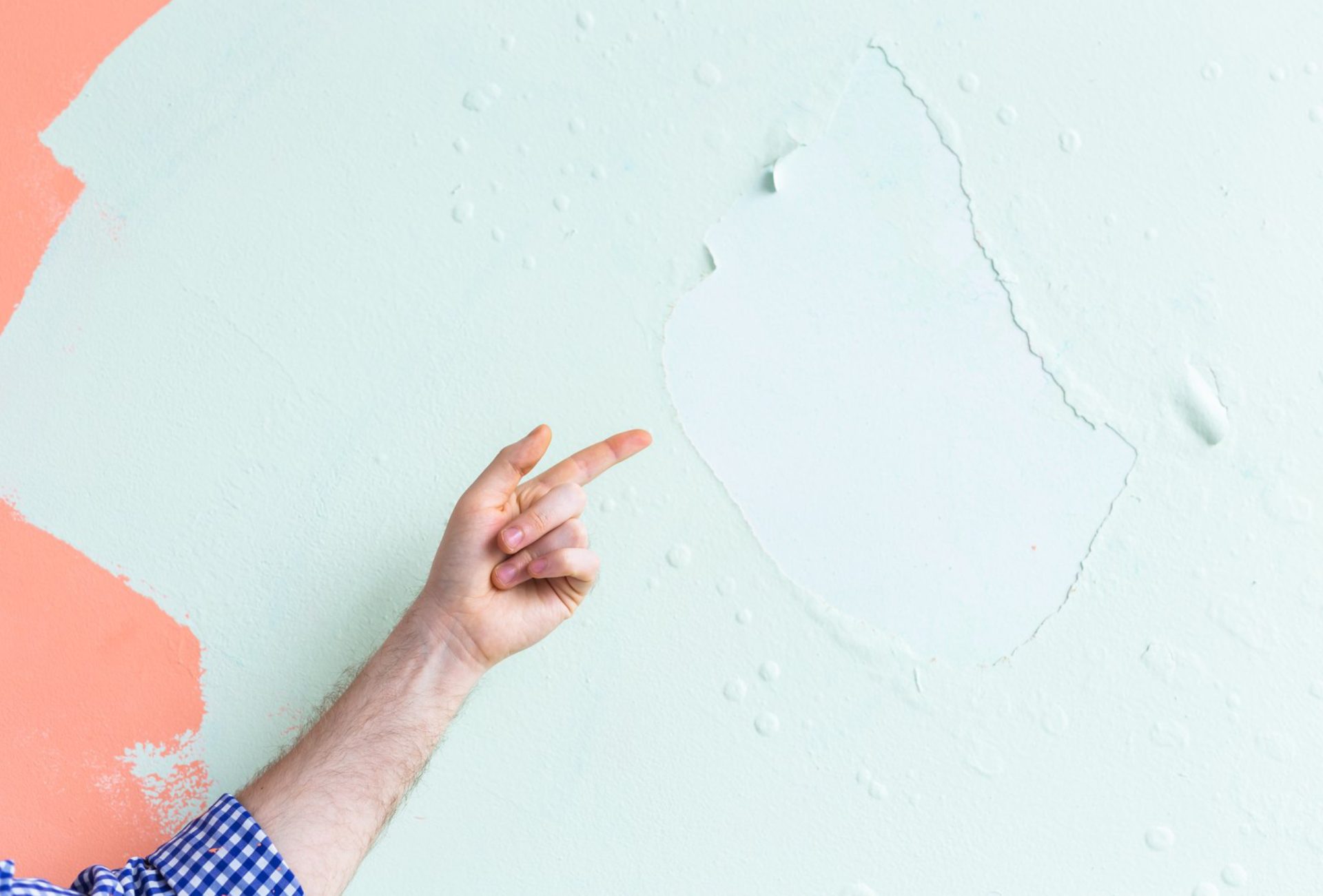
Pro Tip: A well-prepared wall ensures paint adheres properly and prevents peeling or blistering.
2. Use a Stain-Blocking Primer
- Purpose: Seals repaired areas and prevents water stains from bleeding through the new paint.
- Application Tips:
- Apply a full coat over repaired areas and any visible water stains.
- Allow the primer to dry completely before painting.
- Recommended Types: Oil-based primers for severe stains or shellac-based primers for maximum stain coverage.
Pro Tip: Primer is the most critical step for long-lasting results on previously water-damaged walls.
3. Choose the Right Paint Type
Interior Walls:
- Latex (Acrylic) Paint: Durable, easy to clean, and moisture-resistant when high-quality brands are used.
- Mold-Resistant Paint: Ideal for bathrooms, kitchens, or basements where moisture is common.
- Satin or Semi-Gloss Finish: More resistant to moisture than flat finishes; easier to clean.
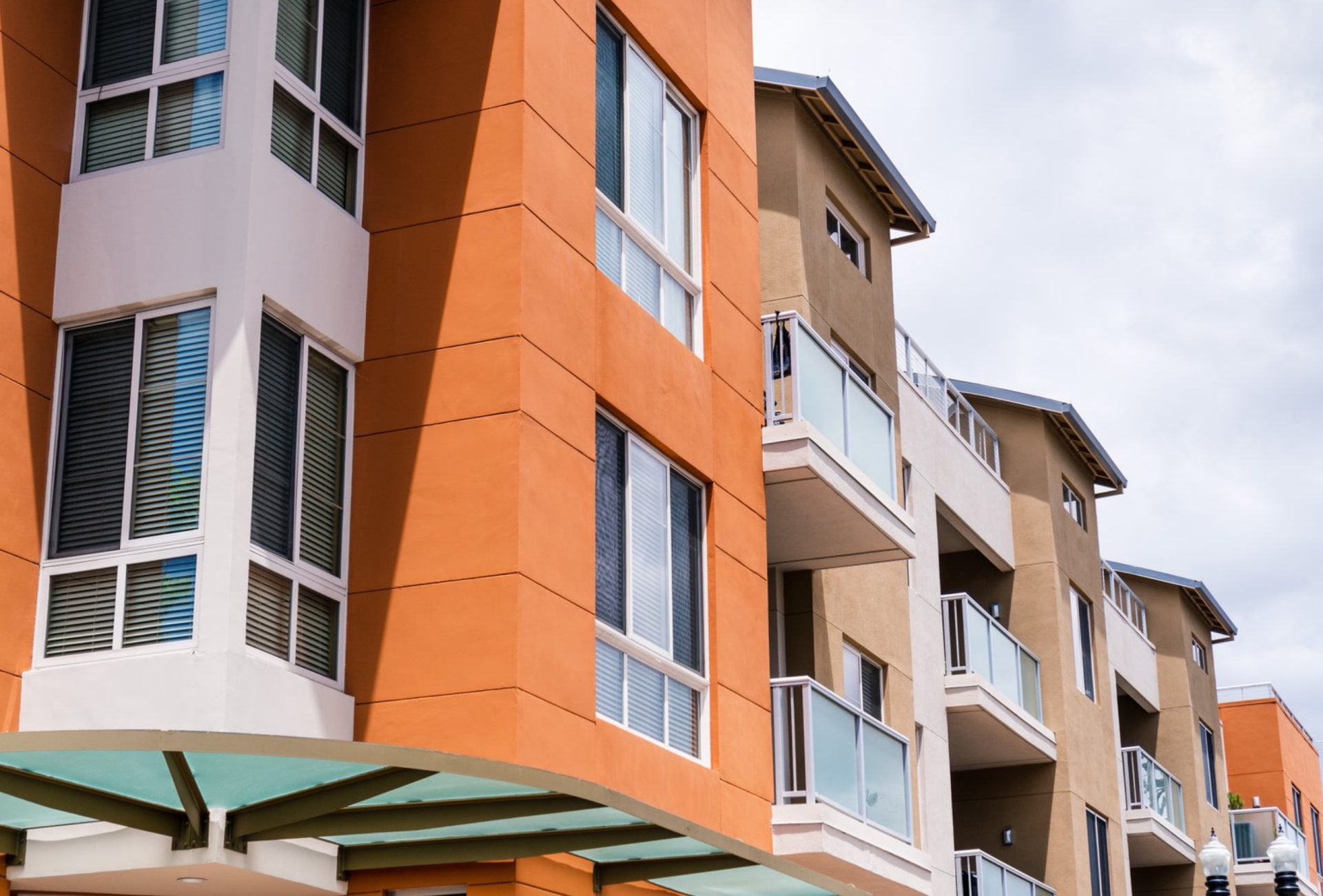
Exterior Walls:
- Acrylic Exterior Paint: Flexible and durable, withstands temperature changes and water exposure.
- Masonry or Elastomeric Paint: Provides a thick, waterproof layer for brick, stucco, or concrete.
Pro Tip: Select a paint designed for the specific environment of the wall to prevent future water damage.
4. Match Sheen With Surroundings
- Flat/Matte: Hides imperfections but less moisture-resistant.
- Eggshell: Slight sheen, moderately washable, good for living areas.
- Satin/Semi-Gloss: Highly durable, washable, suitable for kitchens, bathrooms, or high-traffic areas.
- Gloss: Very durable, best for trim, doors, and cabinets.
Pro Tip: For repaired walls, satin or semi-gloss finishes offer both durability and a professional look.
5. Apply Multiple Thin Coats
- Apply two to three thin coats for even coverage.
- Let each coat dry completely before applying the next.
- Feather edges to blend seamlessly with surrounding areas.
Pro Tip: Thin, even coats reduce the risk of peeling and ensure the repaired area is fully protected.
6. Consider Mold and Mildew Resistance
- Look for paints with built-in anti-microbial agents.
- Ideal for basements, bathrooms, kitchens, and exterior walls exposed to humidity.
- Regular inspection and ventilation further enhance protection.
Pro Tip: Mold-resistant paints prevent recurring water damage issues and maintain healthy indoor air quality.
7. Follow Proper Application Techniques
- Use high-quality brushes or rollers for smooth, even coats.
- Avoid painting over damp walls.
- Maintain consistent coverage, avoiding streaks or pooling.
- Allow sufficient drying time between coats.
Pro Tip: Proper technique is just as important as product choice for a durable, professional finish.
8. Seal Vulnerable Areas
- Use caulk or sealant around windows, doors, sinks, and bathtubs.
- Ensure gaps are sealed to prevent water intrusion that could damage freshly painted surfaces.
Pro Tip: A well-sealed wall is less likely to suffer future water damage, protecting both paint and structure.
9. Maintenance Tips for Long-Lasting Results
- Inspect walls periodically for leaks, stains, or peeling paint.
- Address any moisture problems immediately.
- Clean painted surfaces gently using mild detergent and water.
Pro Tip: Regular maintenance prolongs the life of your paint and prevents water-related issues from recurring.
10. When to Consult a Professional
- Large water-damaged areas or recurring moisture problems.
- Exterior walls needing specialized waterproofing paints.
- Severe mold or structural concerns affecting paint performance.
Pro Tip: Professionals like Chicagoland Paint Pro ensure repaired walls are primed, painted, and protected with the best products for lasting results.
Conclusion
Choosing the right paint after water damage repairs is critical for durability, aesthetics, and prevention of future issues. Using stain-blocking primers, mold-resistant paints, and appropriate finishes ensures walls remain smooth, protected, and beautiful. For optimal results, Chicagoland Paint Pro provides expert painting services that restore water-damaged walls and safeguard them against future moisture challenges.