




A smooth, paint-ready wall is the hallmark of professional interior finishing. Drywall imperfections—small cracks, dents, or holes—can ruin the look of your walls if not addressed properly. With the right tips, tools, and techniques, you can repair drywall efficiently and achieve flawless results. This guide shares expert tips to help you get perfectly smooth walls ready for painting.
1. Gather the Right Tools and Materials
Tools:
- Putty knife (4–6 inches)
- Sanding block or sanding sponge
- Utility knife or drywall saw
- Screwdriver or drill
- Paintbrush or roller
Materials:
- Joint compound or spackle
- Drywall patch or mesh tape
- Drywall screws (for large holes)
- Primer and matching paint
- Optional: Backer board for structural support
Pro Tip: Having all tools and materials ready before starting ensures a smoother, faster repair process.
2. Properly Assess Wall Damage
- Examine the wall for cracks, holes, dents, or water damage.
- Small imperfections (<1 inch) usually require spackling.
- Medium holes or cracks (1–6 inches) may require mesh tape or patching.
- Large holes (>6 inches) need a new drywall piece with backer support.
Pro Tip: Accurate assessment helps determine the correct repair method and prevents recurring issues.
3. Prep the Surface for Repair
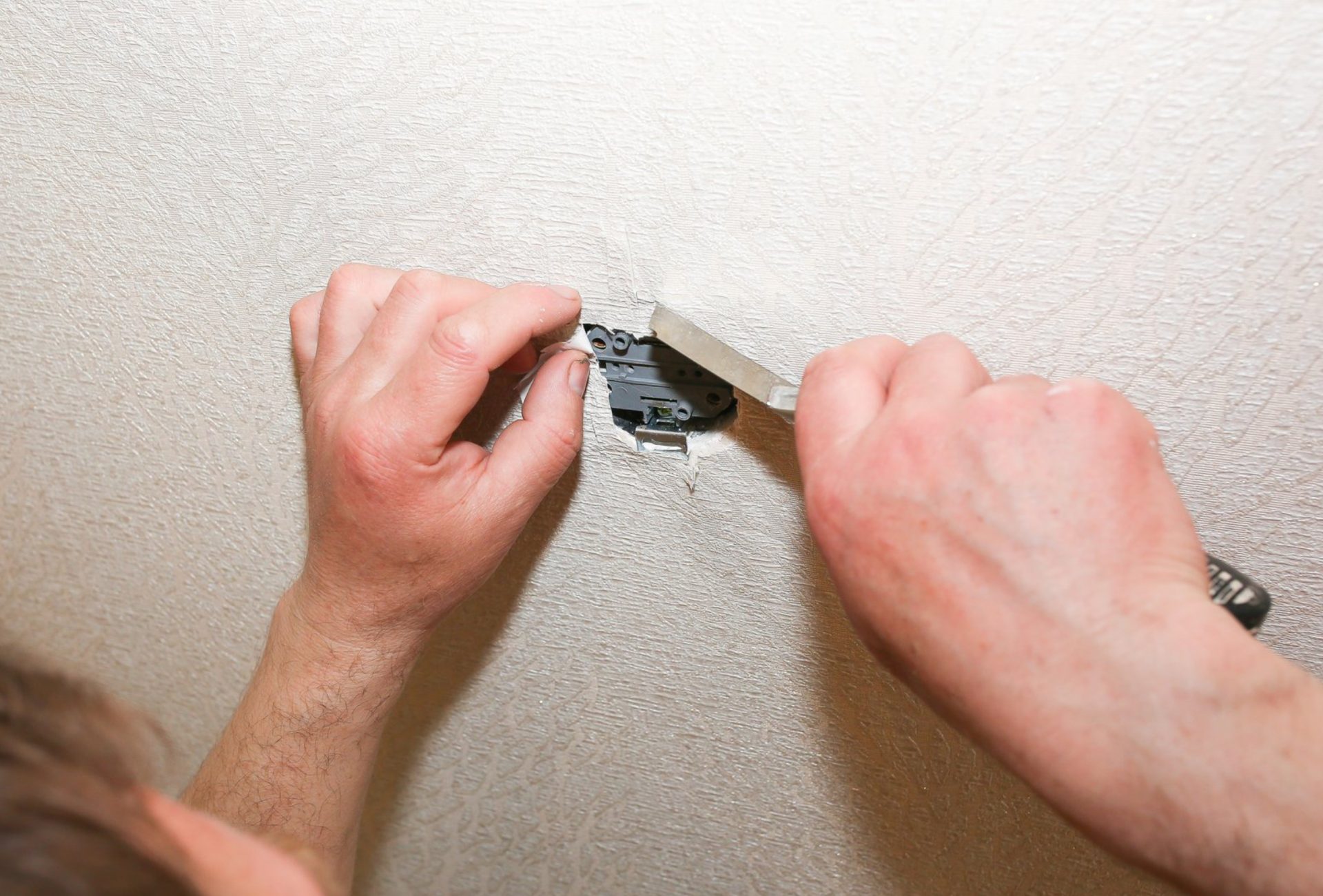
- Remove loose debris and broken drywall edges.
- Clean the wall surface to remove dust, dirt, and grease.
- For cracks, widen them slightly with a utility knife to create a groove for compound adhesion.
- Protect nearby furniture and floors with drop cloths.
Pro Tip: A well-prepared surface ensures compound adheres evenly, reducing bumps or uneven patches.
4. Apply Joint Compound Correctly
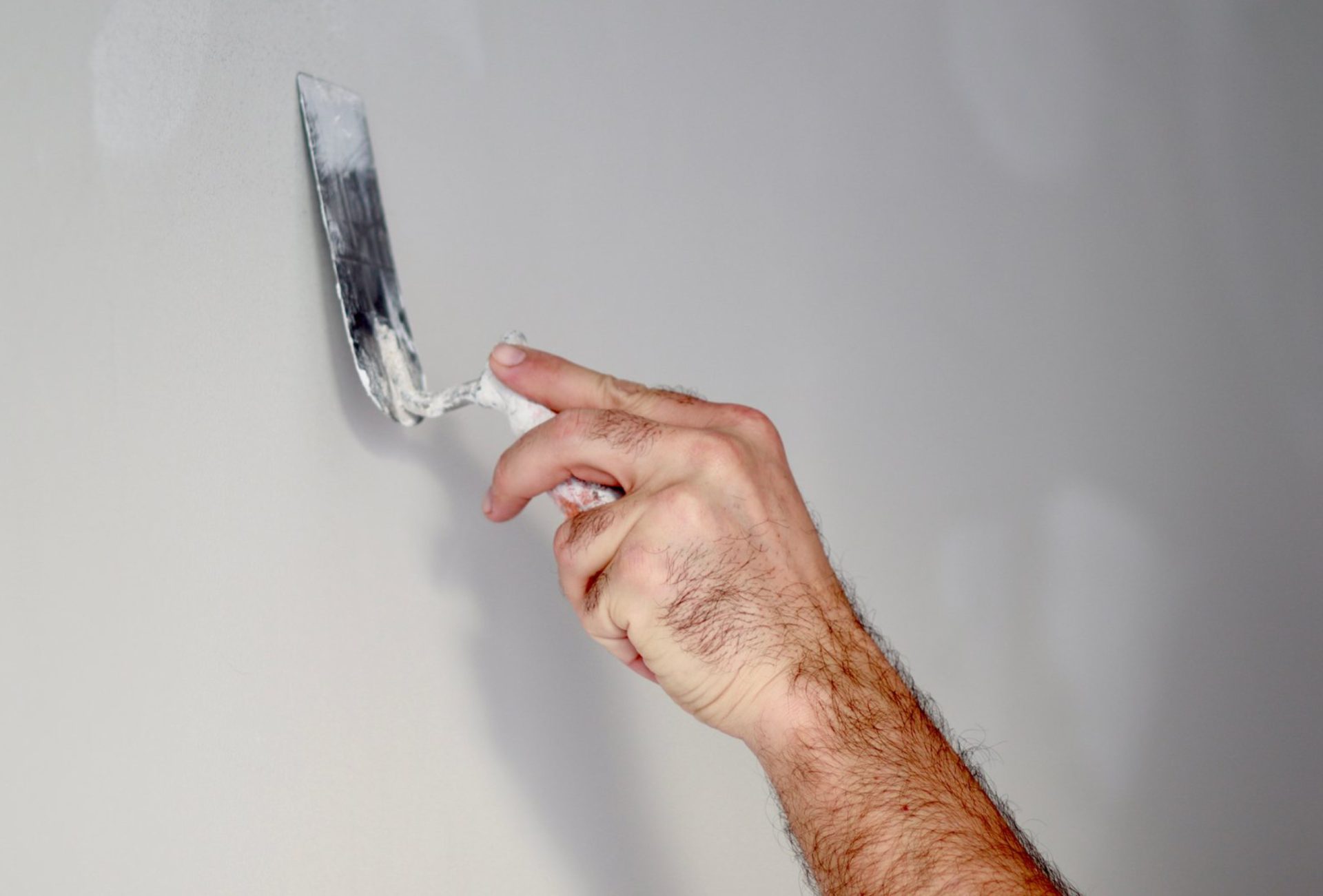
- Use a putty knife to fill small cracks and holes with spackle or joint compound.
- For larger patches, apply a layer over mesh tape or a drywall patch.
- Feather the edges to blend the repair into the surrounding wall.
- Apply multiple thin layers rather than a single thick layer for a smooth finish.
Pro Tip: Thin layers dry faster and reduce the risk of cracking or shrinking.
5. Sanding for Smooth Walls
- After the compound dries, use medium-grit sandpaper to level the area.
- Finish with fine-grit sandpaper to create a smooth, paint-ready surface.
- Wipe away all dust with a damp cloth to avoid paint imperfections.
Pro Tip: Sanding in circular motions helps eliminate ridges and creates a uniform wall texture.
6. Priming Before Painting
- Apply a coat of primer to seal the joint compound and patches.
- Let the primer dry fully before painting.
- This prevents uneven absorption and color variation when painting the wall.
Pro Tip: Priming also enhances paint adhesion, ensuring a long-lasting finish.
7. Painting Tips for Perfect Results
- Use thin, even coats of paint for a uniform finish.
- Blend edges with the surrounding wall to hide repaired areas.
- Use a small roller for large areas or a brush for corners and tight spots.
- Multiple coats may be necessary for complete coverage.
Pro Tip: Matching paint sheen (matte, satin, semi-gloss) with the existing wall helps make repairs invisible.
8. Avoid Common Drywall Repair Mistakes
- Applying too much compound in one layer, causing cracks or shrinkage.
- Skipping sanding or priming, leading to uneven paint finish.
- Not cleaning dust off the wall before painting, causing rough texture.
- Ignoring underlying issues like moisture or structural movement.
Pro Tip: Patience and proper technique are critical for professional-looking results.
9. Use Quality Materials
- High-quality joint compounds, spackle, and primers provide better adhesion and smoother finishes.
- Durable paints enhance the final look and protect repaired areas from future wear.
- Investing in quality materials saves time and ensures a flawless wall finish.
Pro Tip: Cheap materials may save money initially but can result in uneven surfaces and repeated repairs.
10. When to Call a Professional
- Extensive water damage or mold issues.
- Multiple large cracks or holes in different wall areas.
- Textured or specialty finishes that require advanced techniques.
Pro Tip: Professionals like Chicagoland Paint Pro deliver expert drywall repair and finishing, ensuring walls are perfectly smooth and paint-ready.
Conclusion
Achieving smooth, paint-ready walls requires careful assessment, proper surface preparation, precise application of joint compound, and thorough sanding. Following these tips ensures flawless drywall repairs that blend seamlessly with surrounding walls. For complex or large-scale repairs, Chicagoland Paint Pro provides professional drywall repair services to give your walls a perfect, long-lasting finish.