






Before painting any wall, it’s crucial to patch holes properly. Even small imperfections can show through paint and ruin the finish. With the right tools, materials, and techniques, you can patch holes quickly and efficiently, ensuring smooth, paint-ready walls. This guide walks you through a DIY process that produces professional results.
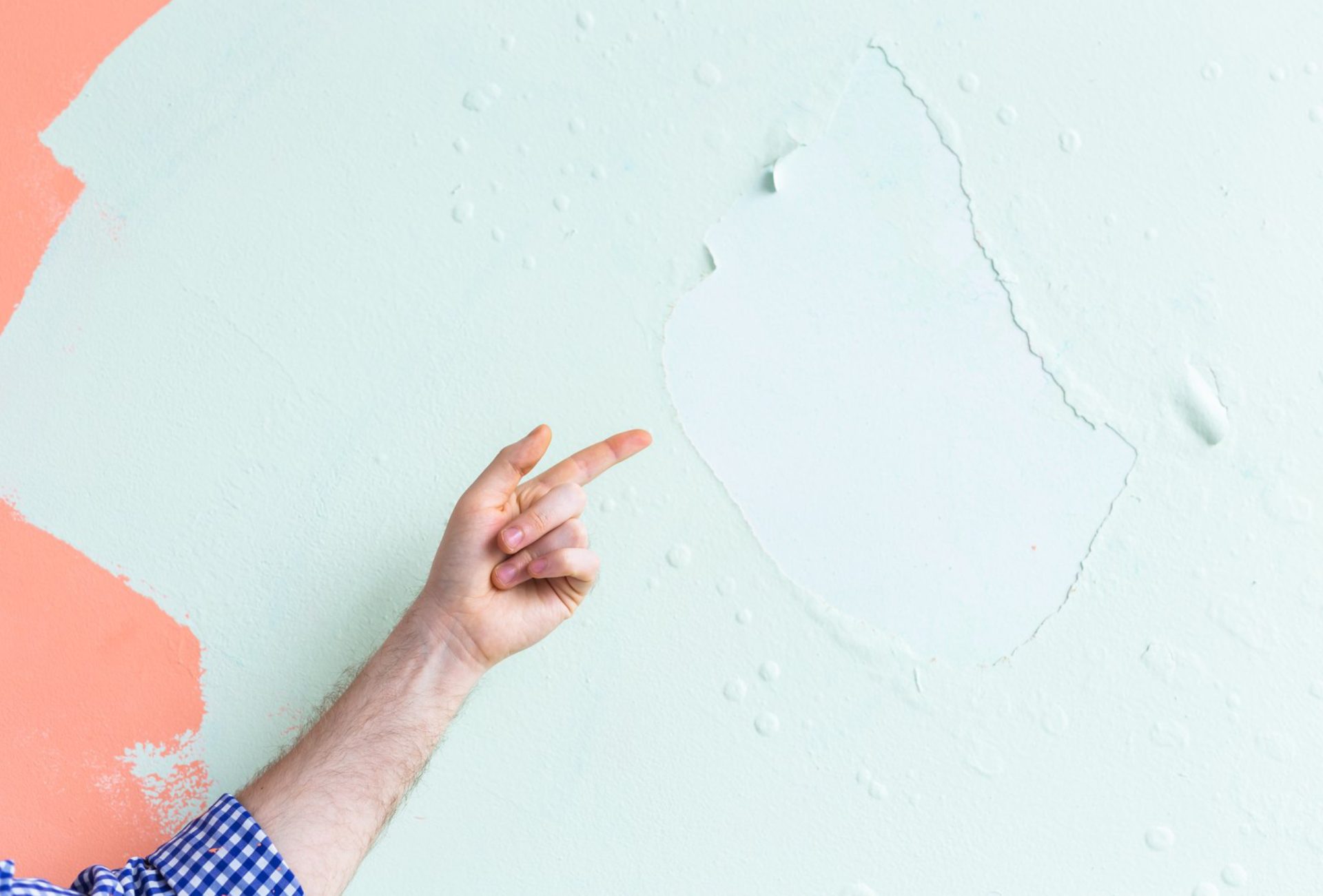
1. Identify the Type and Size of the Hole
- Small holes (<1/2 inch): Nail or screw holes are the most common.
- Medium holes (1/2–6 inches): Caused by furniture bumps or accidents.
- Large holes (>6 inches): Result from impact damage or structural issues.
Pro Tip: Correctly identifying hole size helps you select the right repair materials and method.
2. Gather Tools and Materials
Tools Needed:
- Putty knife (4–6 inches)
- Sanding block or sponge
- Utility knife or drywall saw
- Paintbrush or roller
Materials Needed:
- Spackle or joint compound
- Drywall patch or mesh tape
- Drywall screws (for large holes)
- Primer and matching paint
- Optional: Backer board for larger repairs
Pro Tip: Having all materials ready before starting speeds up the process and ensures consistent results.
3. Prepare the Wall Surface
- Remove loose debris and broken drywall.
- Clean the hole and surrounding area with a damp cloth.
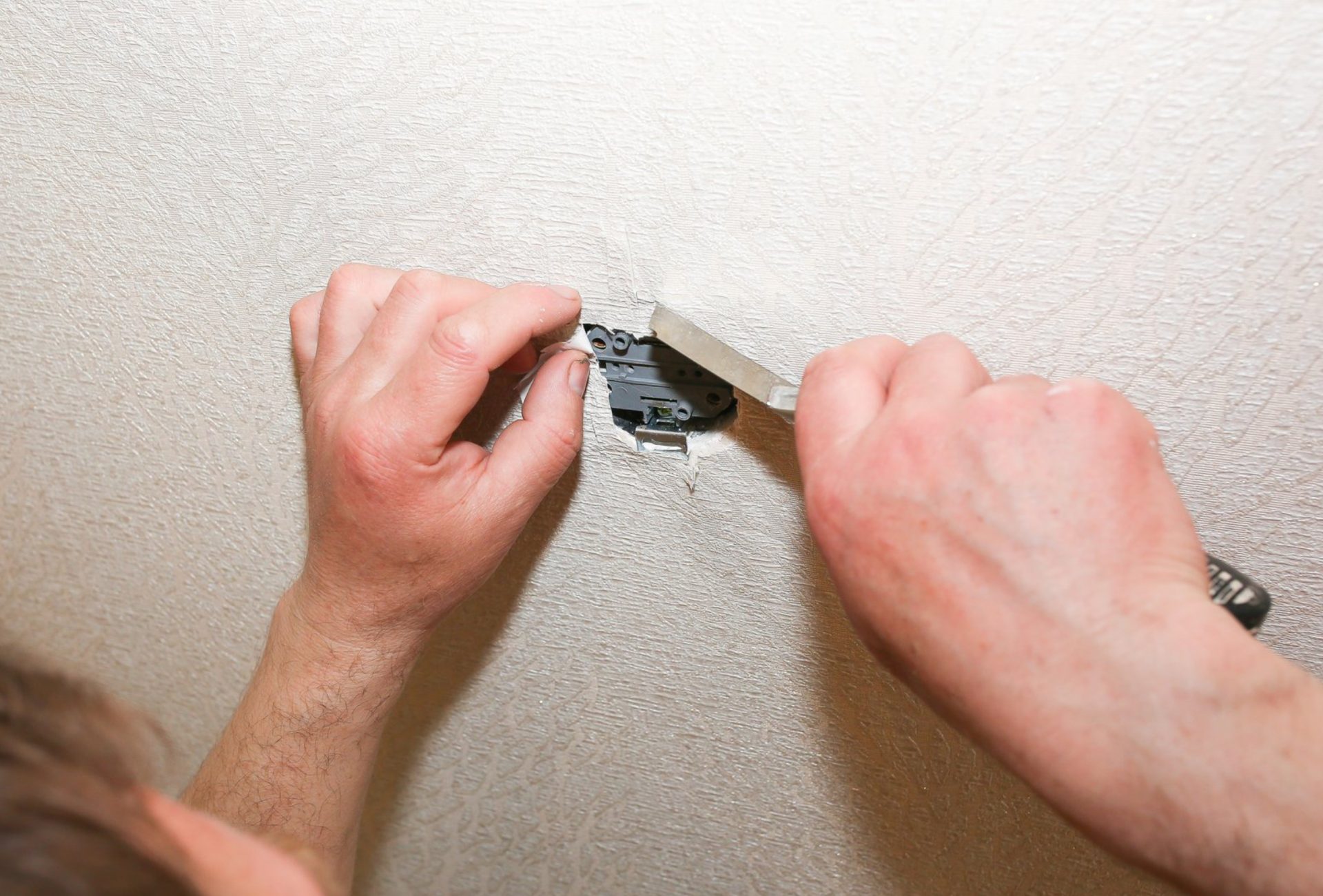
- For cracks or jagged edges, widen slightly with a utility knife to create a clean surface.
- Protect floors and furniture with drop cloths.
Pro Tip: Proper surface preparation ensures that patching material adheres securely.
4. Patching Small Holes (<1/2 inch)
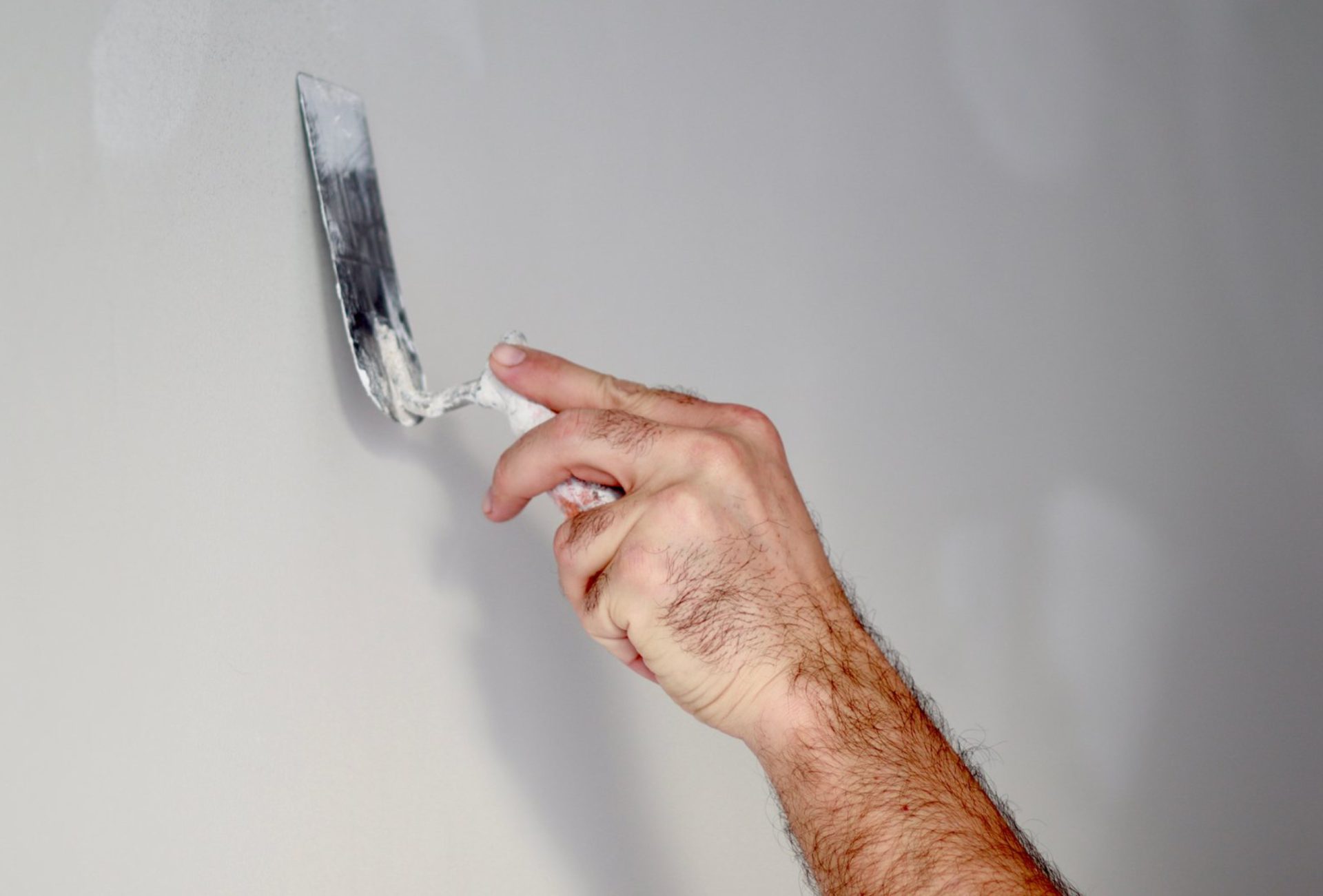
- Apply spackle or joint compound directly into the hole with a putty knife.
- Press firmly to fill the hole completely.
- Smooth the surface and feather edges to blend with the wall.
- Let it dry completely (2–4 hours), then sand lightly with fine-grit sandpaper.
Pro Tip: Applying a second thin coat can create a perfectly flush surface.
5. Patching Medium Holes (1/2–6 inches)
- Cover the hole with a self-adhesive mesh patch or cut a drywall piece to fit.
- Apply joint compound over the patch, feathering the edges.
- Allow the compound to dry, then sand lightly.
- Apply a second coat if necessary for a seamless finish.
Pro Tip: Feathering the edges is key to blending the patch into the wall naturally.
6. Patching Large Holes (>6 inches)
- Cut a clean square or rectangle around the damaged area.
- Insert a backer board behind the wall for support.
- Cut a drywall piece to fit the opening and secure with screws.
- Cover seams with mesh tape and apply joint compound, feathering edges.
- Sand smooth after drying and prime before painting.
Pro Tip: Make sure the replacement drywall sits flush with the surrounding wall to avoid bumps.
7. Sanding for a Smooth Surface
- Use medium-grit sandpaper to level patched areas.
- Finish with fine-grit sandpaper for a smooth, paint-ready wall.
- Wipe away all dust with a damp cloth before priming.
Pro Tip: Proper sanding prevents uneven paint coverage and ensures a professional finish.
8. Priming and Painting
- Apply primer to seal the patched area.
- Allow primer to dry completely.
- Paint with matching wall color, blending edges carefully.
- Multiple thin coats may be required for full coverage.
Pro Tip: Using the same paint finish (matte, satin, semi-gloss) helps the patch blend seamlessly.
9. Quick DIY Tips
- Work in thin layers to prevent cracking.
- Sand between coats for smoother results.
- Feather edges to create a seamless transition.
- Keep your work area clean to avoid dust interfering with the paint.
Pro Tip: Following these tips ensures your DIY patching looks professional.
10. When to Seek Professional Help
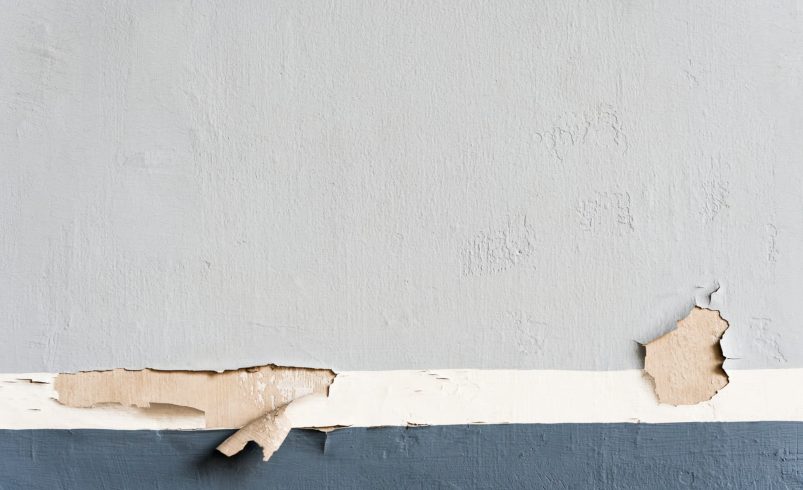
- Extensive wall damage from water or mold.
- Multiple large holes requiring structural support.
- Repairs on textured walls needing advanced finishing techniques.
Pro Tip: Professionals like Chicagoland Paint Pro guarantee perfectly smooth, paint-ready walls even for complex repairs.
Conclusion
Patching holes before painting is essential for a flawless finish. By following proper DIY techniques and using the right tools and materials, you can repair small to medium holes efficiently. For larger or complicated repairs, Chicagoland Paint Pro provides professional hole patching services, ensuring walls are smooth, seamless, and ready for a perfect paint job.