


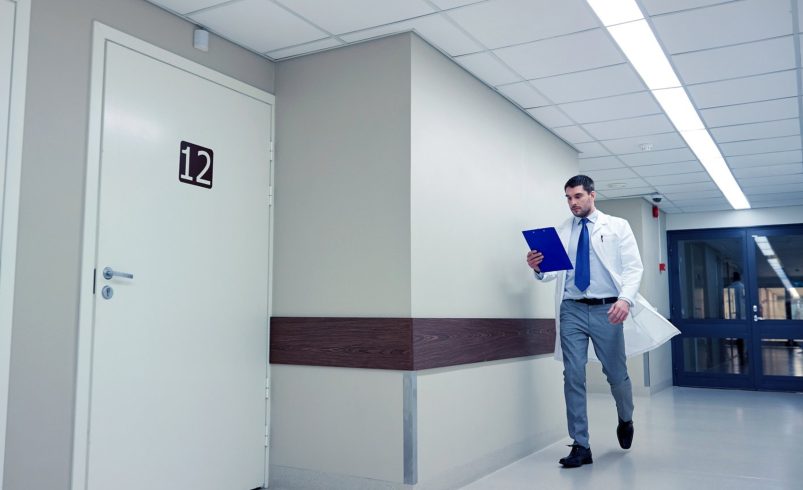

Medical offices experience constant activity—from patients and staff moving through corridors to frequent cleaning and equipment use. Choosing the right paint for these high-traffic areas is essential to maintain a clean, professional appearance and ensure long-lasting durability.
This guide explores the best paint options and techniques to keep medical office walls looking fresh and resilient.
1. Why Durable Paint Matters
High-traffic areas in medical offices are prone to:
- Scuffs and scratches from carts, chairs, and equipment
- Frequent cleaning and disinfecting
- Stains from spills or accidental contact
- Wear and tear over time
Durable paints protect surfaces, reduce maintenance costs, and ensure that the office looks professional at all times.
2. Top Paint Types for High-Traffic Areas
1. High-Quality Latex Paint
- Smooth, washable finish for easy cleaning
- Flexible enough to resist minor surface damage
- Available in various sheens: matte, satin, and semi-gloss
2. Semi-Gloss or Satin Finishes
- Ideal for corridors, exam rooms, and reception areas
- Resistant to scrubbing and frequent cleaning
- Enhances light reflection, keeping spaces bright and inviting
3. Antimicrobial Paint
- Contains additives to reduce bacterial growth on walls
- Ideal for exam rooms, treatment areas, and high-contact surfaces
- Combines durability with health safety
4. Epoxy-Based Paint
- Extremely tough and abrasion-resistant
- Perfect for utility rooms, labs, or areas with heavy equipment
- Long-lasting solution that withstands cleaning chemicals
3. Surface Preparation for Longevity
- Clean Thoroughly: Remove dust, grease, and residues for proper adhesion
- Repair Walls: Patch cracks, holes, and imperfections to prevent peeling
- Prime Surfaces: Use a primer suitable for the wall material—especially for previously painted or damaged walls
- Apply Even Coats: Multiple thin coats ensure durability and professional results
4. Color Considerations for High-Traffic Areas
- Neutral Tones: Light grays, creams, and soft blues hide minor scuffs better than bold colors
- Accent Walls: Use darker or contrasting shades sparingly to define areas without overwhelming the space
- Reflective Colors: Lighter colors improve visibility and create a welcoming, clean environment
5. Maintenance Tips
- Regular Cleaning: Wipe down walls with mild cleaning agents to remove dirt and prevent staining
- Spot Repairs: Keep leftover paint for touch-ups on scuffs, scratches, or discoloration
- Periodic Repainting: High-traffic areas may need repainting every 3–5 years depending on wear
6. Common Mistakes to Avoid
- Using flat or low-quality paints that stain or peel easily
- Skipping primer, resulting in poor adhesion and faster wear
- Choosing overly bright or dark colors that highlight scuffs
- Ignoring cleaning requirements, leading to buildup and damage
- Overlooking corners, door frames, and high-contact areas in durability planning
7. Final Thoughts
High-traffic areas in medical offices demand paint that is both durable and easy to maintain. Selecting high-quality latex, semi-gloss, antimicrobial, or epoxy-based paints, combined with proper preparation and strategic color choices, ensures your office remains professional, clean, and welcoming.
Investing in durable paints reduces long-term maintenance, improves hygiene, and enhances the overall patient experience—making it a critical aspect of medical office design.