






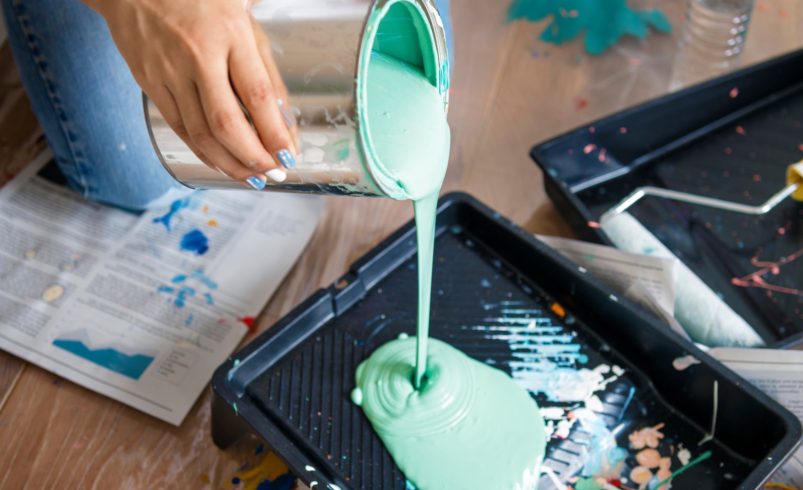

Proper paint disposal is essential for protecting the environment, your community, and your home. Leftover paint, if not handled correctly, can contaminate water sources, harm wildlife, and pose safety hazards. Fortunately, there are eco-friendly methods to dispose of or repurpose paint safely while reducing waste.
1. Determine the Type of Paint
Different paints require different disposal methods:
- Latex/Water-Based Paint:
- Generally less hazardous and easier to dispose of.
- Can often be dried out and discarded with regular trash in small amounts, depending on local regulations.
- Oil-Based Paint:
- Flammable and contains toxic solvents.
- Must be taken to hazardous waste facilities.
Pro Tip: Always check local regulations before disposal—rules vary by city or state.
2. Use Up or Donate Leftover Paint
Before considering disposal, try to reduce waste:
Tips:
- Use leftover paint for touch-ups or small projects.
- Offer leftover paint to friends, neighbors, or local community projects.
- Donate to schools, theater groups, or nonprofit organizations that accept paint.
Pro Tip: Many community recycling centers have programs specifically for paint donation.
3. Dry Out Latex Paint
Drying latex paint is an eco-friendly way to make it safe for disposal:
Methods:
- Leave the paint open in a well-ventilated area for several days until fully hardened.
- Mix with cat litter, sawdust, or a commercial paint hardener to speed drying.
- Once dry, it can be disposed of with regular household trash (confirm local guidelines).
Pro Tip: Avoid pouring latex paint down the drain—it can clog pipes and pollute water systems.
4. Recycle Empty Cans and Containers
Even after paint is used, cans and containers can often be recycled:
Steps:
- Rinse out the cans to remove leftover paint residue.
- Check with your local recycling program to ensure metal or plastic cans are accepted.
- Remove lids and labels if required.
Pro Tip: Recycling paint containers conserves resources and reduces landfill waste.
5. Proper Disposal of Oil-Based Paint
Oil-based paints are hazardous and require special handling:
Steps:
- Store in original, sealed containers to prevent leaks.
- Take to a certified household hazardous waste facility.
- Follow all local regulations for transport and disposal.
Pro Tip: Never pour oil-based paint into drains, sewers, or trash—it is highly toxic to the environment.
6. Reduce Waste Before Starting Projects
Prevention is the most eco-friendly method:
Tips:
- Measure the area to paint accurately to avoid excess paint.
- Purchase only the amount needed.
- Consider using sample sizes first for testing colors.
Pro Tip: Planning ahead reduces leftover paint and prevents disposal issues.
7. Repurpose Leftover Paint Creatively
Leftover paint doesn’t have to be wasted—it can be reused creatively:
Ideas:
- Use for craft projects, furniture touch-ups, or accent walls.
- Mix old paint to create new colors for artistic projects.
- Paint outdoor planters, fences, or garden decorations.
Pro Tip: Even small amounts of leftover paint can have practical and decorative uses around your home.
8. Safety Precautions for Paint Disposal
Always follow safety measures to prevent accidents and environmental damage:
Guidelines:
- Wear gloves and protective clothing.
- Keep paint and solvents away from children and pets.
- Store paints in a cool, dry place until proper disposal.
Pro Tip: Label containers clearly to avoid confusion or accidental misuse.
Conclusion
Eco-friendly paint disposal is a combination of careful planning, reuse, and proper handling. By using leftover paint creatively, drying latex paints safely, recycling containers, and taking hazardous paints to certified facilities, you can protect the environment while keeping your workspace safe. Proper disposal not only prevents pollution but also promotes sustainable practices for future painting projects.