

Painting projects can transform your home, but they also come with potential hazards. From chemical exposure to falls and injuries, DIY painting requires proper safety precautions. Following essential painting safety tips ensures your project is successful while keeping you, your family, and your workspace safe.
1. Wear Proper Personal Protective Equipment (PPE)
Using the right protective gear reduces exposure to harmful substances and prevents injuries:
Recommended PPE:
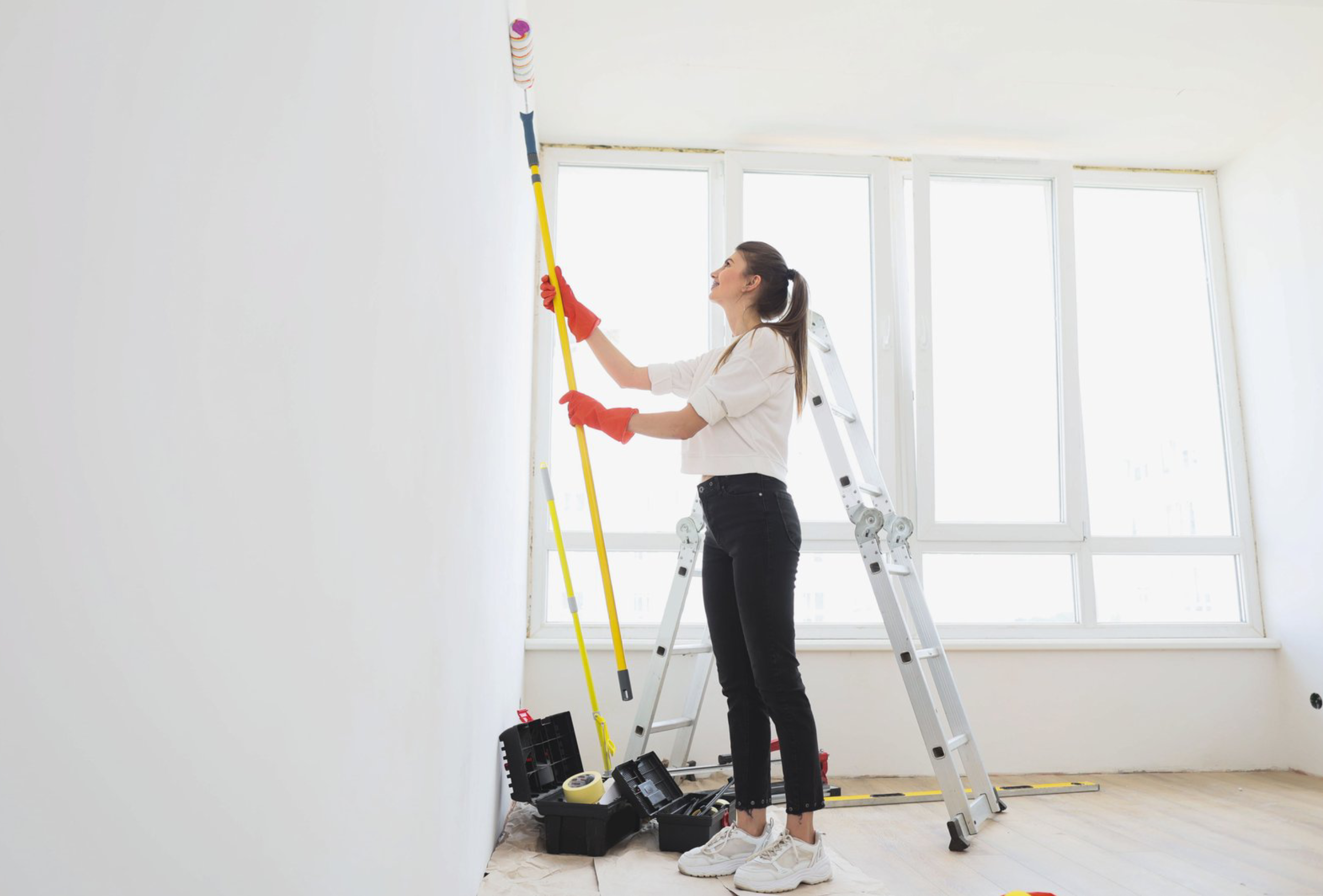
- Gloves: Protect your hands from chemicals, solvents, and paint.
- Safety goggles: Prevent splashes from reaching your eyes.
- Masks or respirators: Protect your lungs from fumes, dust, and fine paint particles.
- Long-sleeved clothing: Reduce skin contact with paint and minimize irritation.
Pro Tip: Even water-based paints can irritate skin and eyes, so don’t skip PPE.
2. Ensure Proper Ventilation
Paint fumes, especially from oil-based paints or solvents, can be hazardous indoors:
Tips:
- Open windows and doors to create airflow.
- Use fans to circulate air and remove fumes.
- Take breaks to step outside and breathe fresh air.
Pro Tip: Avoid using paints in confined spaces without ventilation to prevent dizziness, headaches, or long-term respiratory issues.
3. Handle Paints and Solvents Safely
Improper handling of paints and chemicals can lead to accidents:
Guidelines:
- Store paint and solvents in a cool, dry place away from heat sources.
- Keep containers tightly closed when not in use to prevent spills and evaporation.
- Never mix chemicals unless specified by the manufacturer.
Pro Tip: Always read the safety labels on paint cans for handling instructions and warnings.
4. Protect Your Workspace
A well-organized painting area reduces the risk of slips, trips, and damage:
Tips:
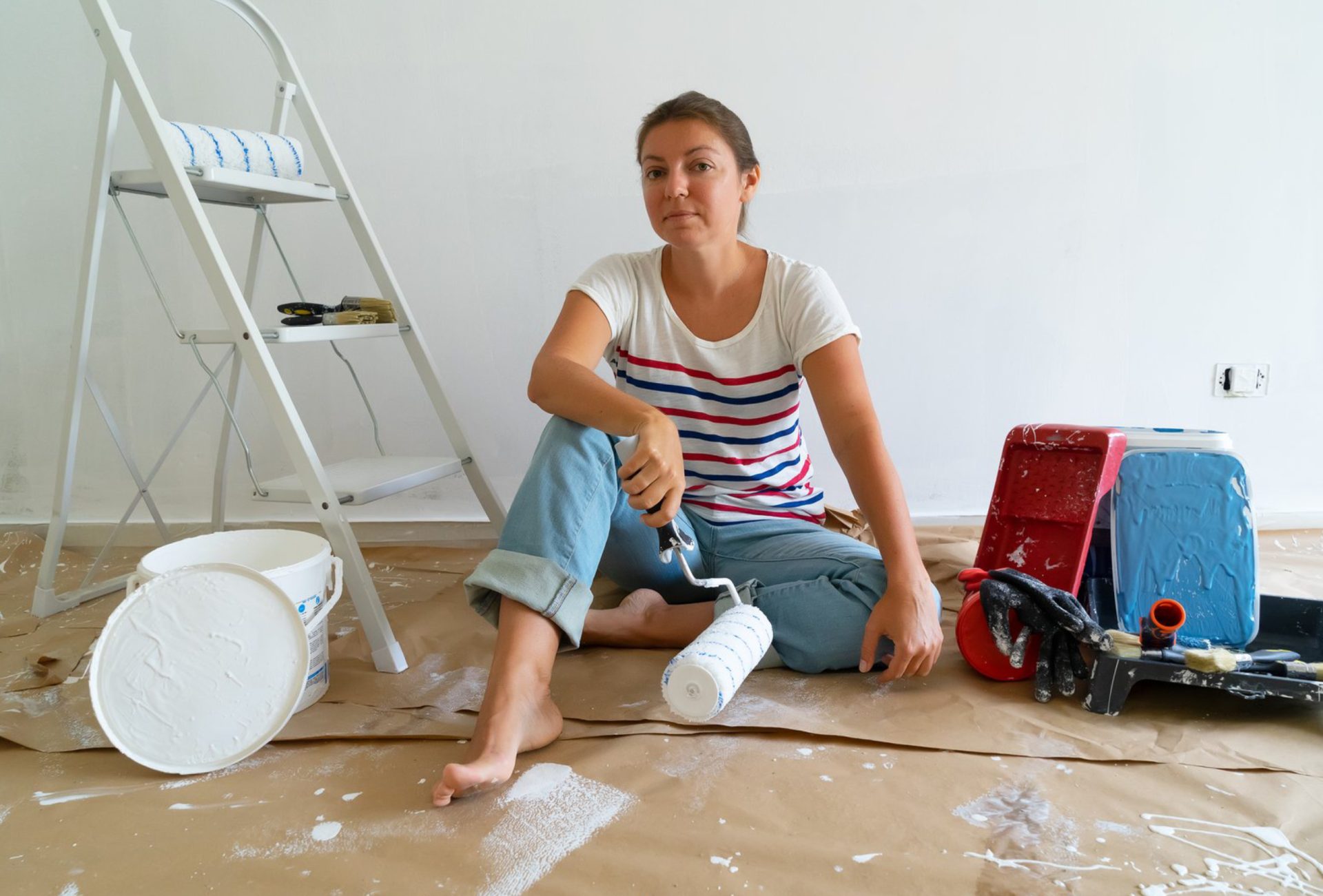
- Cover floors and furniture with drop cloths or plastic sheets.
- Keep tools and paint cans in a stable area where they won’t tip over.
- Clean spills immediately to avoid slipping hazards.
Pro Tip: Mark wet areas clearly if others are sharing the space during your project.
5. Ladder and Height Safety
Painting often requires reaching high areas, which poses fall risks:
Guidelines:
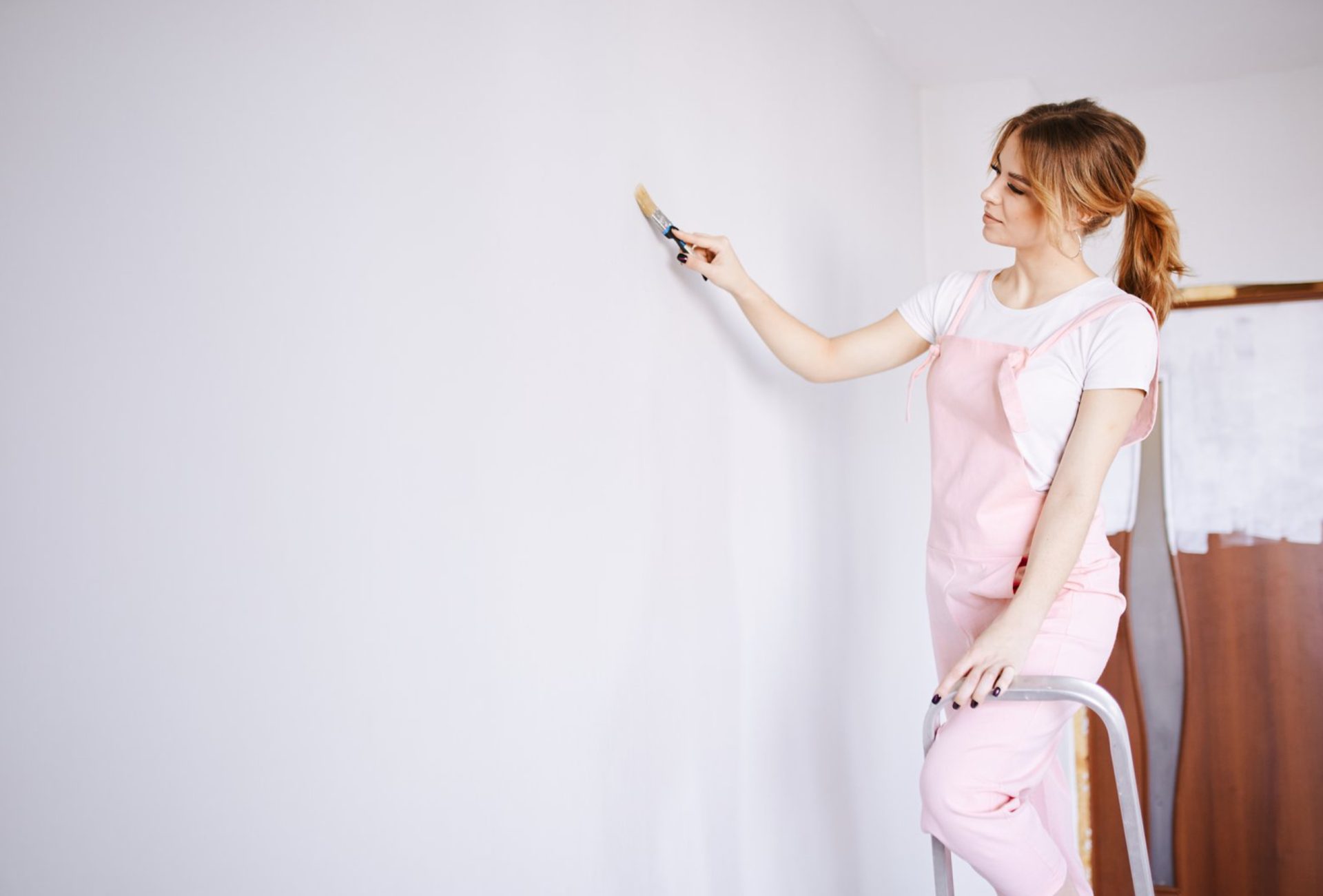
- Use a sturdy, well-maintained ladder.
- Always maintain three points of contact: two feet and one hand.
- Avoid overreaching—move the ladder instead of stretching too far.
- Place ladders on stable, level surfaces; avoid slippery floors.
Pro Tip: Have a helper hold the ladder for extra stability when possible.
6. Electrical and Tool Safety
Many painting tools can pose risks if used improperly:
Tips:
- Inspect extension cords, sprayers, and power tools before use.
- Keep cords away from water and wet surfaces.
- Turn off and unplug tools when not in use.
- Wear gloves and maintain grip on hand tools to prevent slipping.
Pro Tip: Use tools according to manufacturer instructions to avoid accidents and damage.
7. Avoid Health Risks from Fumes and Dust
Certain paints, primers, and sanding tasks produce hazardous fumes or dust:
Tips:
- Wear a respirator rated for paint fumes or dust.
- Use a drop cloth to collect dust from sanding surfaces.
- Work in short intervals to limit prolonged exposure.
Pro Tip: For older homes, test for lead paint before sanding or scraping, as lead dust is highly toxic.
8. Keep Children and Pets Safe
DIY painting areas can be dangerous for others:
Guidelines:
- Keep kids and pets away from the workspace.
- Store paints, solvents, and tools out of reach.
- Clean brushes, rollers, and spills immediately to prevent accidental contact.
Pro Tip: Communicate clearly with family members about active painting zones.
Conclusion
Safety should always be a top priority for DIY painters. Wearing proper protective equipment, ensuring ventilation, organizing your workspace, handling paints correctly, using ladders and tools safely, and keeping children and pets out of harm’s way reduces the risk of accidents. By following these essential painting safety tips, you can enjoy a successful project while protecting yourself and others. Safe practices not only prevent injuries but also contribute to a smoother, stress-free painting experience.