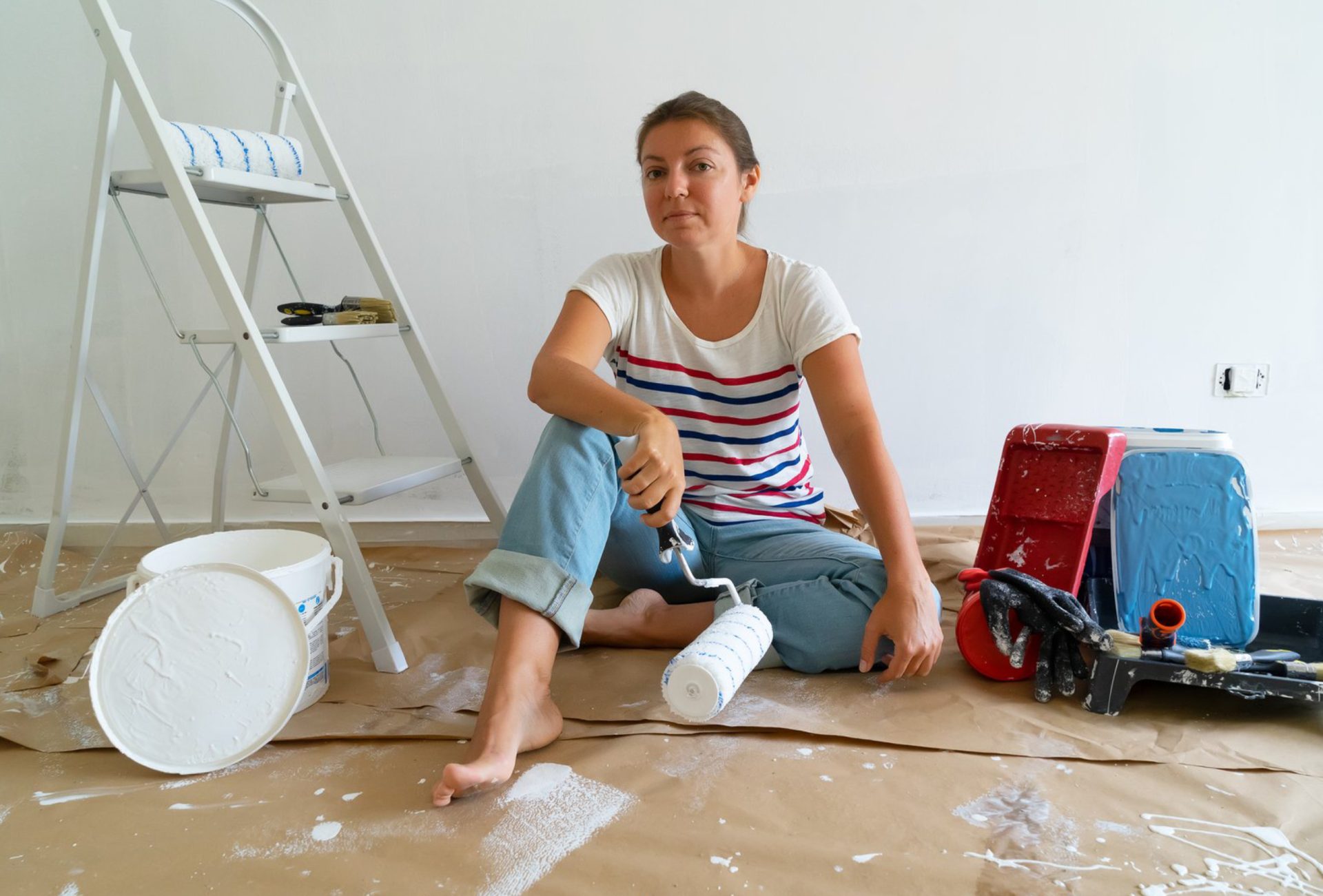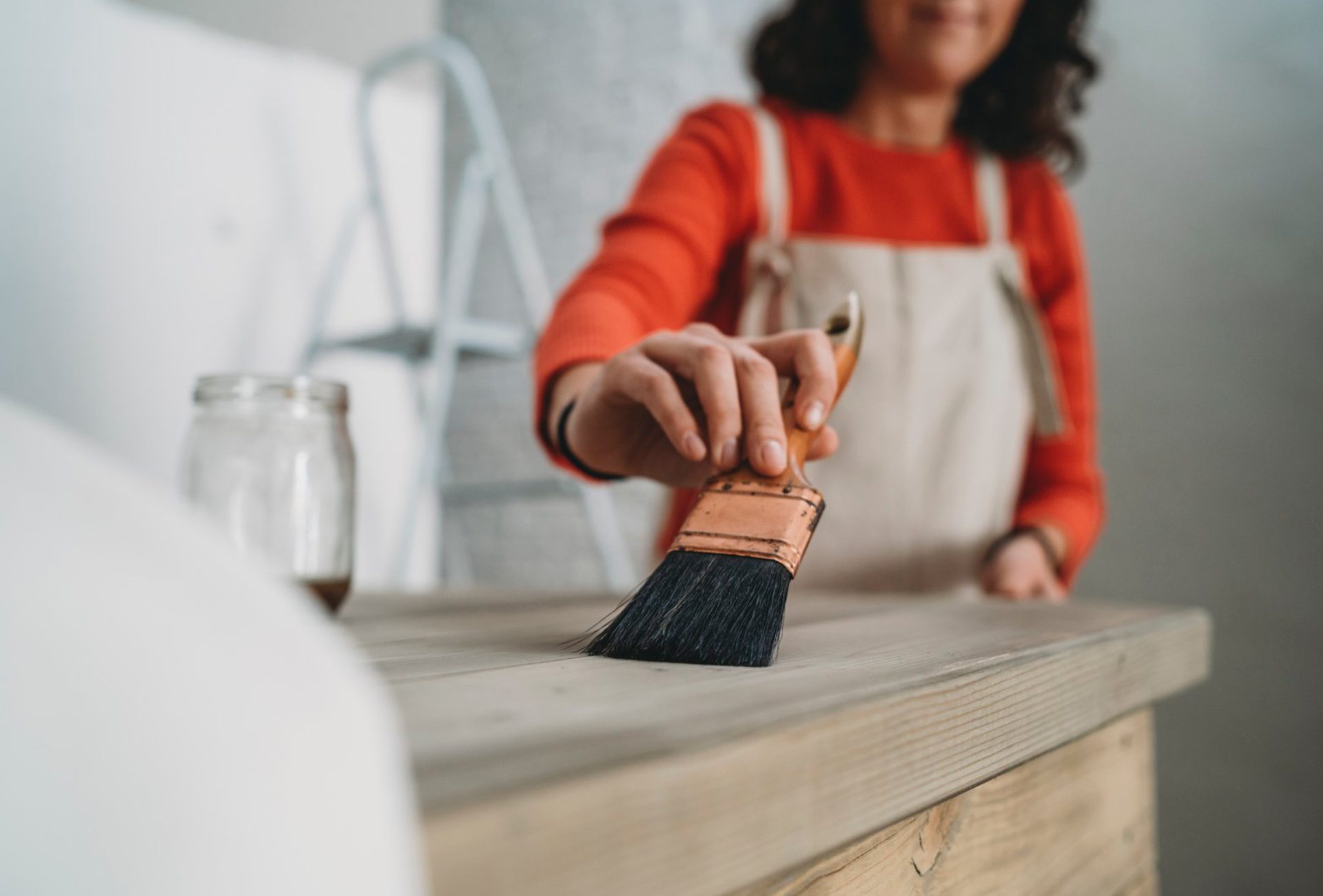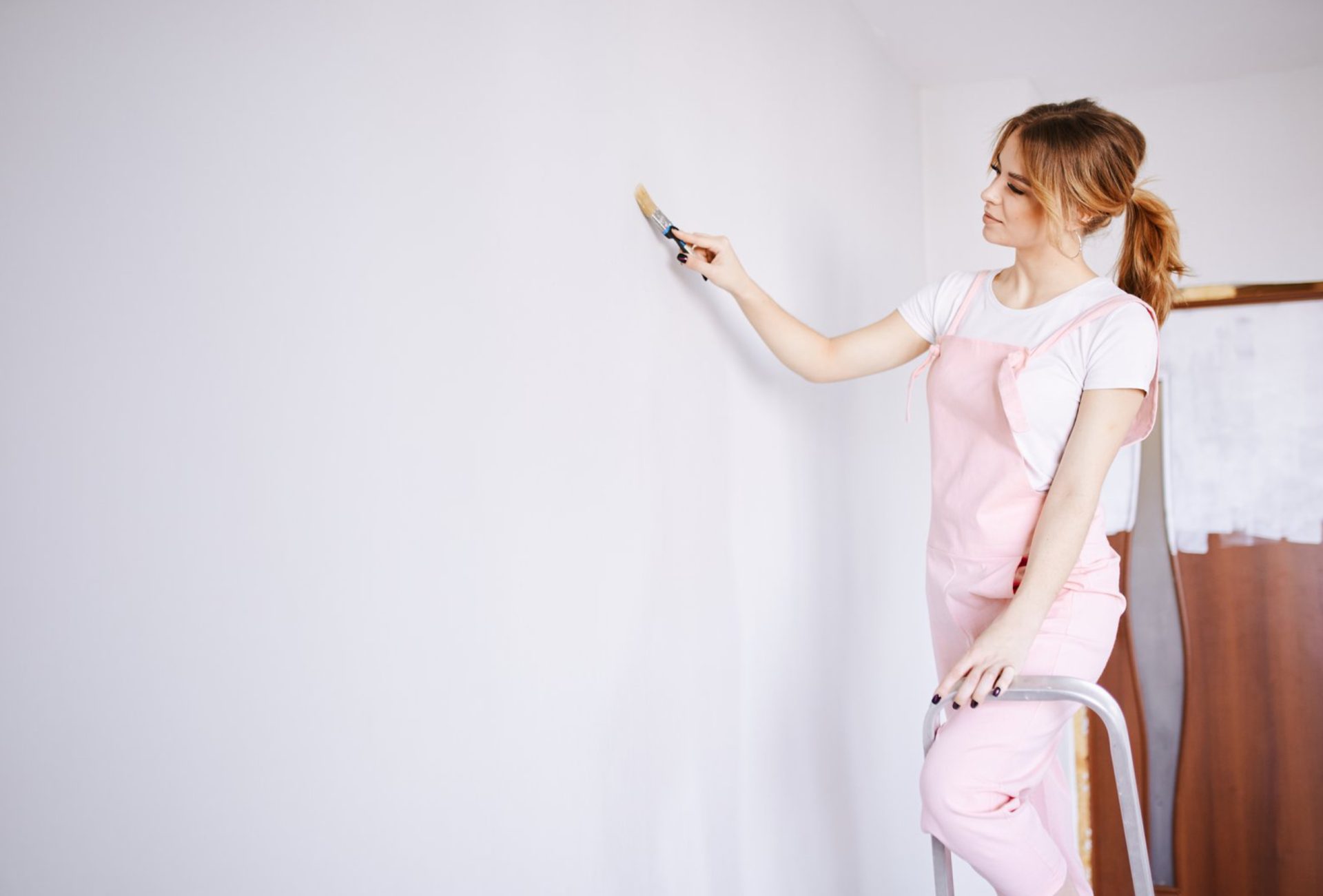


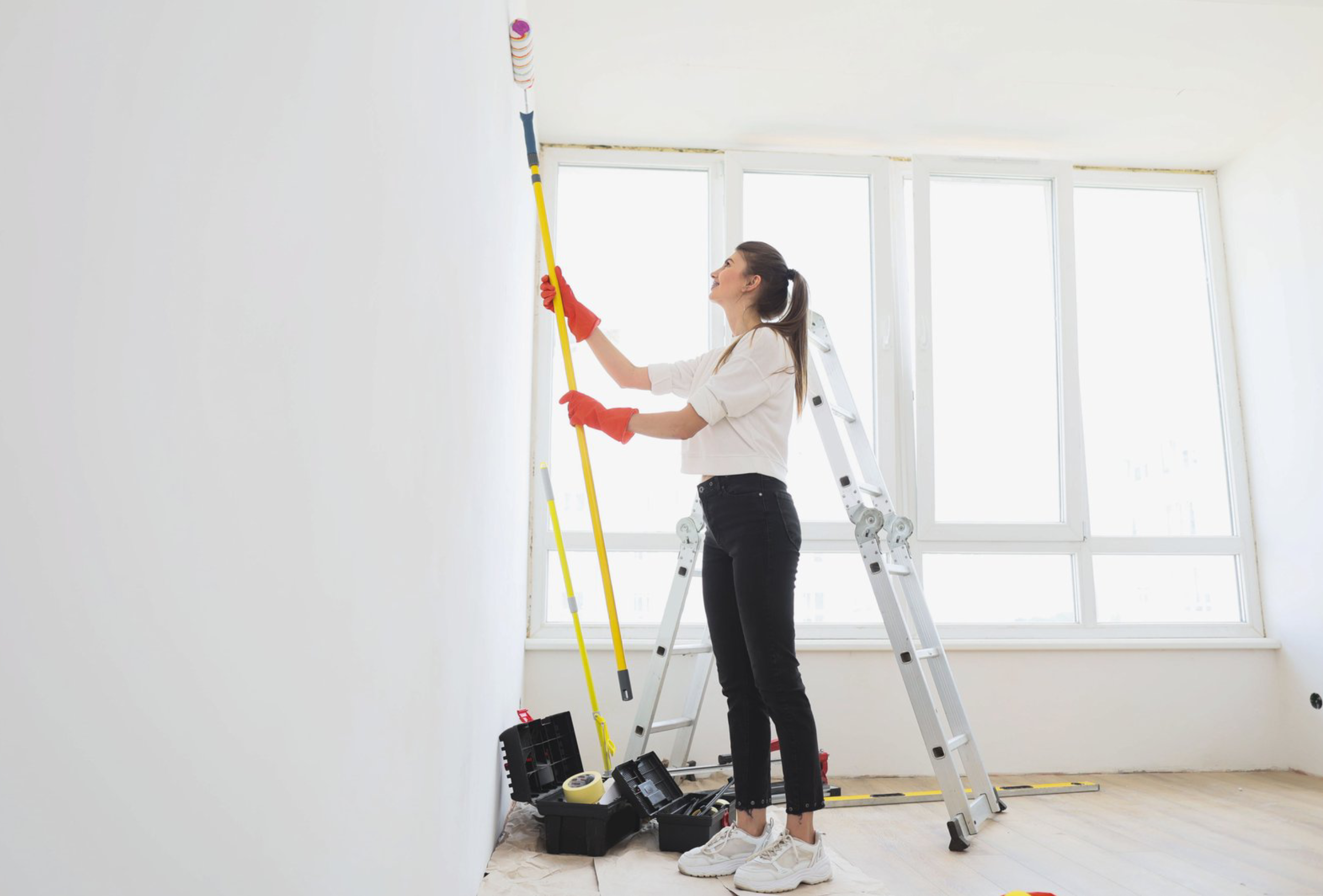



Whether you are a beginner DIYer or an experienced painter, having the right tools is crucial for achieving a smooth, professional-quality paint job. The tools you choose not only affect the finish but also make the painting process faster, safer, and less frustrating. This guide highlights the essential painting tools that every home painter or professional should have, explaining their purpose and tips for using them effectively.
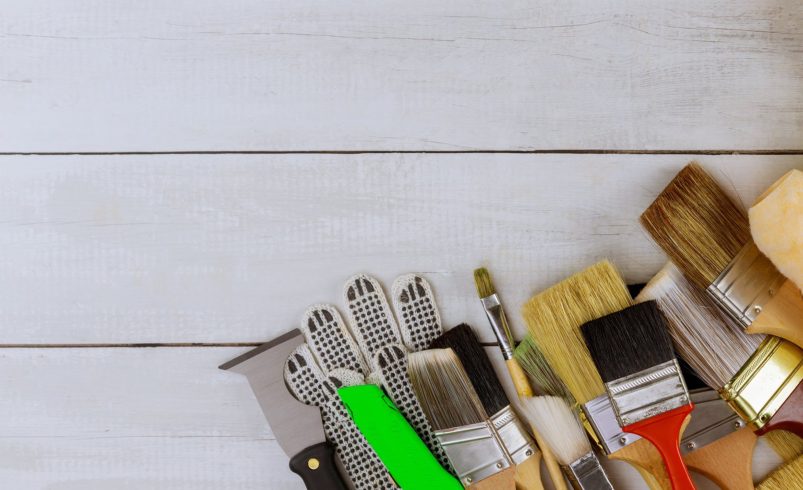
1. Paint Brushes
Paint brushes are essential for precision work, edges, corners, and trim.
- Types of Brushes:
- Angled Brushes: Perfect for cutting in along edges and corners.
- Flat Brushes: Ideal for larger surfaces or doors.
- Bristle Material:
- Synthetic (Nylon/Polyester): Best for water-based (latex) paints.
- Natural Bristles: Best for oil-based paints, giving a smoother finish.
- Sizes: Smaller brushes (1–2 inches) for trim and touch-ups; larger brushes (3–4 inches) for broader surfaces.
Pro Tips:
- Keep brushes clean between coats to maintain quality.
- Avoid cheap brushes; high-quality brushes reduce streaking and bristles falling out.
2. Paint Rollers
Rollers are essential for covering large flat surfaces quickly and evenly.
- Nap Length:
- Short Nap (¼–⅜ inch): Smooth surfaces like drywall.
- Medium Nap (½–¾ inch): Semi-smooth walls and lightly textured surfaces.
- Long Nap (1 inch or more): Rough surfaces like stucco or brick.
- Roller Frame: Choose a sturdy, comfortable handle for better control.
Pro Tips:
- Roll in “W” or “M” patterns, then fill in to ensure even coverage.
- Keep the roller evenly loaded with paint to prevent streaks.
3. Paint Sprayers
Paint sprayers are excellent for large exterior surfaces or professional-grade results.
- Types of Sprayers:
- Airless Sprayers: High-pressure, ideal for smooth and quick coverage on walls, siding, and fences.
- HVLP (High Volume, Low Pressure): Great for detailed work, cabinets, and furniture.
- Advantages: Faster coverage, smooth finish, ideal for textured or hard-to-reach areas.
- Considerations: Requires masking and careful prep to prevent overspray.
4. Painter’s Tape
Painter’s tape ensures clean edges and protects areas you don’t want painted.
- Applications: Windows, trim, door frames, and moldings.
- Tips:
- Press tape firmly along edges.
- Remove tape after paint dries to prevent peeling.
- Use high-quality tape to avoid residue.
5. Drop Cloths and Plastic Sheeting
Protect floors, landscaping, furniture, and fixtures from paint splatters and spills.
- Materials: Canvas drop cloths (reusable), plastic sheets (lightweight and waterproof).
- Tips: Layer plastic under drop cloths if painting ceilings or exterior walls to prevent leaks.
6. Paint Trays and Liners
Trays allow controlled paint application to rollers and reduce mess.
- Plastic Liners: Make cleanup easier and reduce waste.
- Tray Ridges: Remove excess paint from rollers for even application.
7. Scrapers, Putty Knives, and Sanding Tools
Surface prep tools are vital for smooth, lasting results.
- Scrapers: Remove peeling paint or old wallpaper.
- Putty Knives: Apply filler or spackling to cracks and holes.
- Sanding Tools: Sandpaper or sanding blocks smooth rough surfaces and edges.
8. Ladders, Scaffolding, and Extension Poles
Reaching high or large areas safely is essential.
- Ladders: Step ladders for interiors, extension ladders for exteriors.
- Scaffolding: Provides a stable platform for multi-story homes.
- Extension Poles: Attach rollers to paint ceilings, high walls, or exterior siding without constantly moving ladders.
9. Paint Can Openers, Stir Sticks, and Measuring Tools
Small tools make a big difference in efficiency:
- Openers: Safely open paint cans without damaging the lid.
- Stir Sticks: Mix paint thoroughly to ensure consistent color and texture.
- Measuring Tools: Keep track of paint coverage and estimate how much paint is needed.
10. Safety Gear
Painting involves chemicals, heights, and physical work—safety is essential.
- Gloves: Protect hands from paint and chemicals.
- Eye Protection: Prevent paint splashes in eyes.
- Masks or Respirators: Reduce inhalation of fumes and dust.
- Protective Clothing: Long sleeves and hats reduce skin contact with paint.
Conclusion
Having the right painting tools makes the process faster, easier, and ensures a high-quality finish. Brushes, rollers, sprayers, painter’s tape, drop cloths, prep tools, ladders, and safety gear are all essential for both DIYers and professionals. By investing in the right tools and using them correctly, you can save time, reduce frustration, and achieve a beautiful, long-lasting paint job that looks professionally done.