
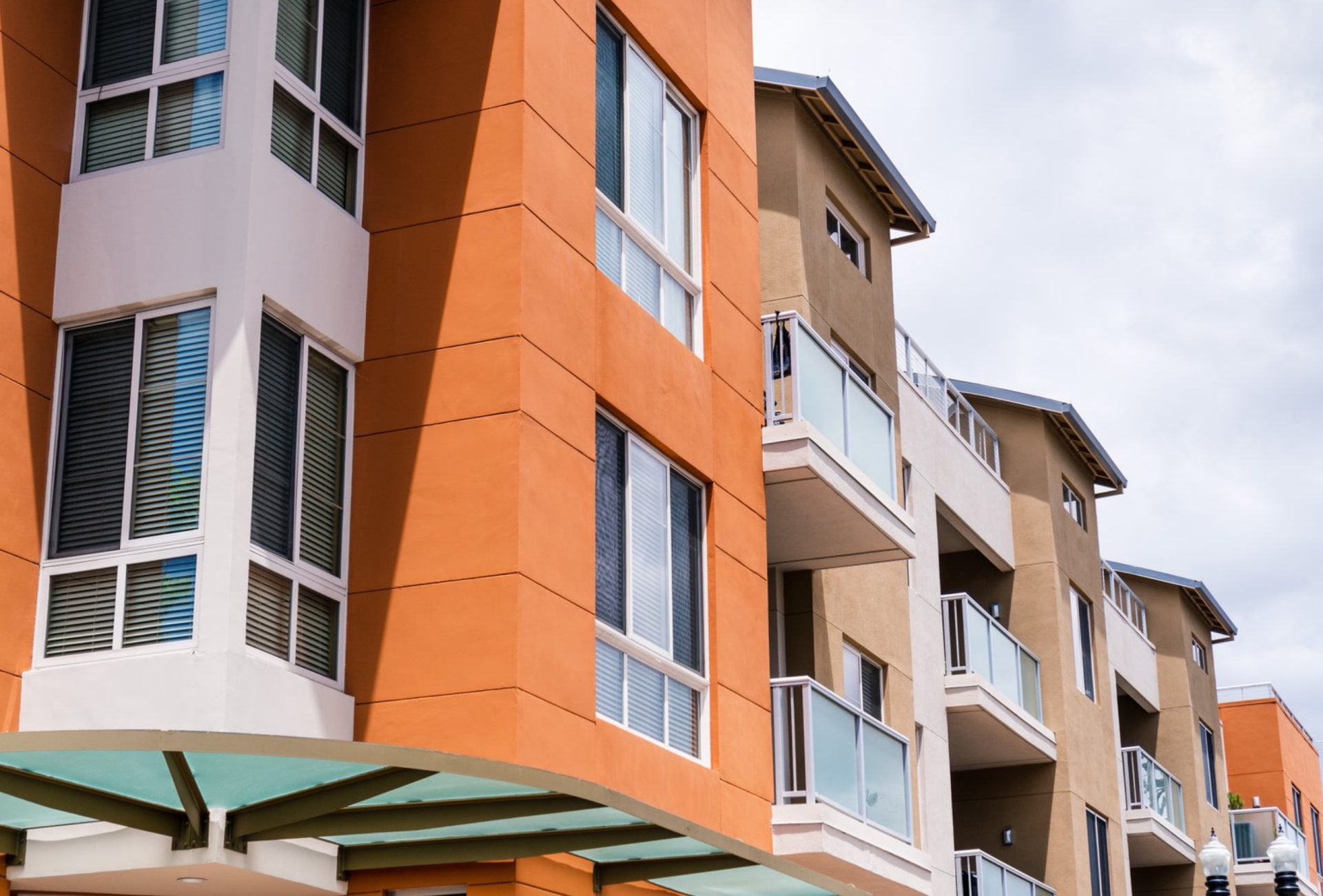






Your retail store’s exterior is the first impression customers have of your business. A well-chosen paint scheme can increase foot traffic, convey professionalism, and make your store stand out in a competitive marketplace. Commercial painting for exteriors is more than aesthetics—it’s a marketing tool that communicates your brand identity.
This guide explores exterior paint ideas that attract customers while ensuring durability and long-term appeal.
1. Understand the Impact of Color on Customer Behavior
- Red: Grabs attention and stimulates impulse buying; ideal for high-traffic areas.
- Blue: Evokes trust and reliability, making it perfect for professional services.
- Green: Suggests freshness and sustainability; great for eco-friendly brands.
- Yellow and Orange: Create a sense of energy and positivity, drawing customers inside.
- Neutral Tones: White, gray, and beige provide a clean, timeless backdrop that complements signage and branding.
Chicagoland Paint Pro Tip: Choose colors that reflect your brand personality while appealing to your target audience.
2. Use Accent Colors Strategically
- Trim and Doors: Bright colors on doors or window trims make your entrance inviting.
- Signage Backdrops: Coordinate paint colors with store signs to ensure readability and visual impact.
- Feature Walls: Highlight architectural elements or display areas to catch attention from the street.
3. Match Colors With Your Brand Identity
- Consistency: Align exterior colors with interior décor and company branding.
- Recognition: Customers should immediately associate the color scheme with your business.
- Subtle Branding: Use bold brand colors sparingly to create a polished, professional look.
4. Consider the Surrounding Environment
- Neighborhood Aesthetic: Blend harmoniously with nearby businesses while maintaining uniqueness.
- Natural Elements: Account for landscaping, trees, and outdoor features that influence color perception.
- Lighting: Test colors in daylight and artificial lighting; sunlight can change how colors appear.
5. High-Quality Paints for Durability
- Weather-Resistant Paints: Exterior walls are exposed to sun, rain, wind, and snow; select paints that withstand harsh conditions.
- Finish Recommendations:
- Satin or Semi-Gloss: Durable, easy to clean, and resistant to moisture.
- Flat or Matte: Works for less exposed areas; hides imperfections but may require more maintenance.
- Low VOC Options: Safer for nearby pedestrians and the environment.
6. Prep Work for Long-Lasting Results
- Clean Surfaces: Remove dirt, mildew, and peeling paint to ensure proper adhesion.
- Repair Damage: Patch cracks, fill holes, and repair worn surfaces before painting.
- Prime if Needed: Use primer on raw surfaces or when changing colors drastically to prevent streaks and fading.
7. Tips for Maximizing Curb Appeal
- Highlight Entryways: Use color to make doors and entrances inviting.
- Contrast Wisely: Ensure trims, accents, and main walls complement each other.
- Maintain Balance: Avoid overwhelming the façade with too many bold colors.
- Refresh Regularly: Faded exteriors can deter customers; plan periodic repainting.
- Coordinate with Signage and Branding: Colors should enhance, not compete with, your store signage.
8. Common Mistakes to Avoid
- Using colors that clash with neighborhood aesthetics
- Neglecting surface prep, leading to peeling or fading
- Overusing bold colors, which can appear unprofessional
- Ignoring lighting conditions when testing paint colors
- Selecting low-quality paints that degrade quickly under outdoor conditions
9. Final Thoughts
A strategically painted retail store exterior can significantly influence customer attraction, brand perception, and overall success. By choosing the right colors, coordinating with your brand, and using durable, high-quality paints, you create a professional, eye-catching storefront that draws customers in.
Exterior painting is an investment in your business’s image. A fresh, vibrant façade communicates credibility, attracts foot traffic, and sets the tone for the shopping experience inside, ultimately helping to increase sales and customer loyalty.