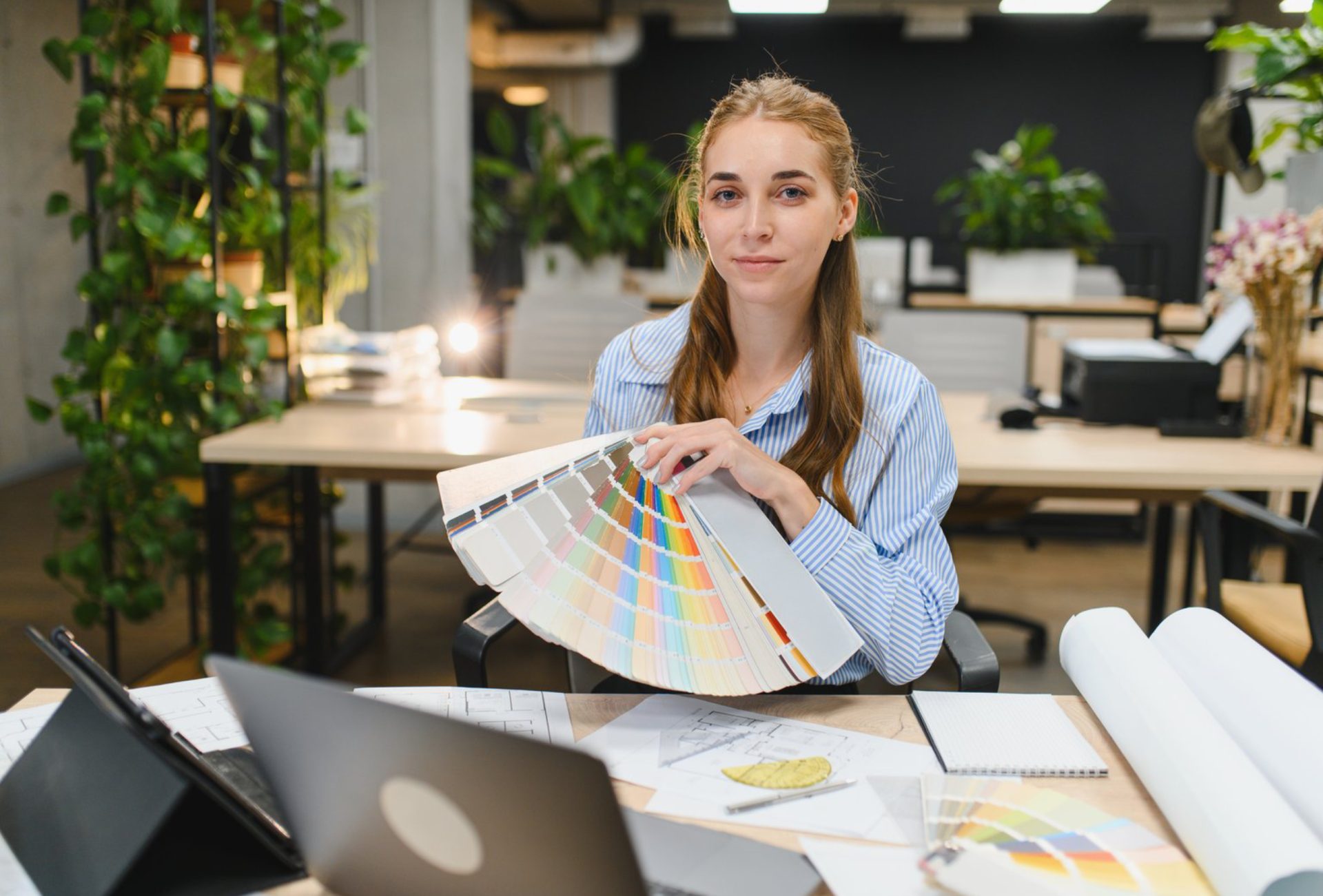



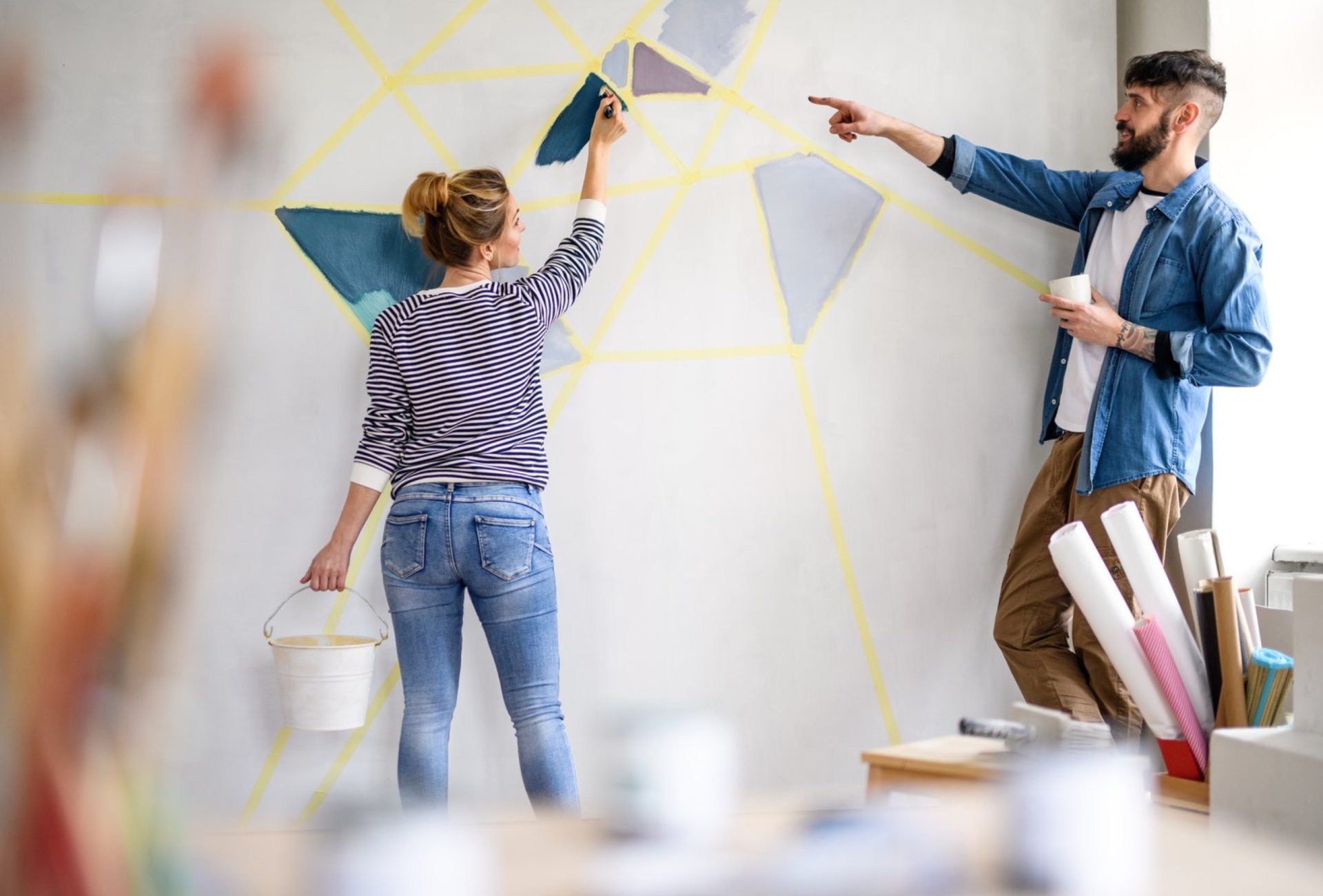
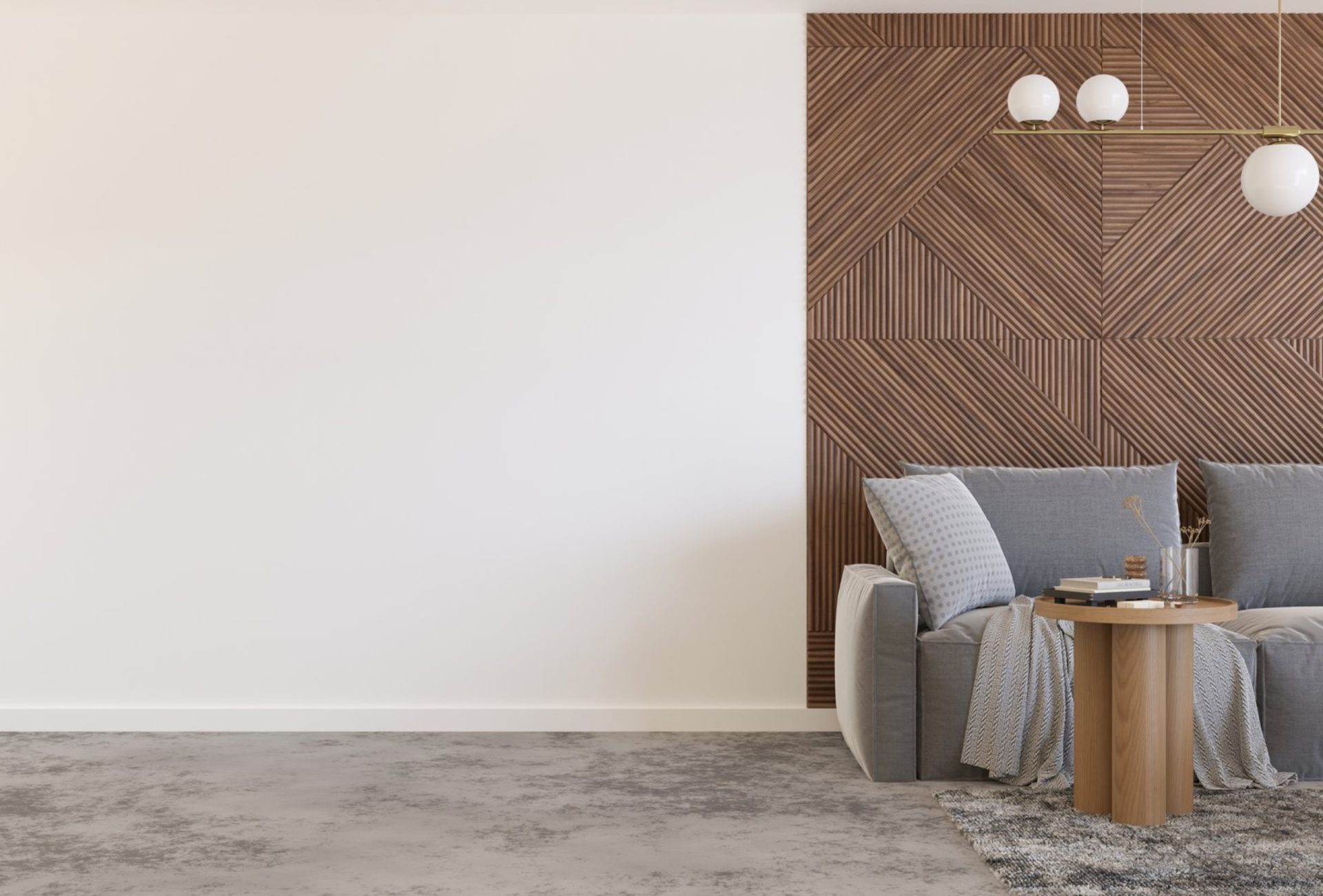
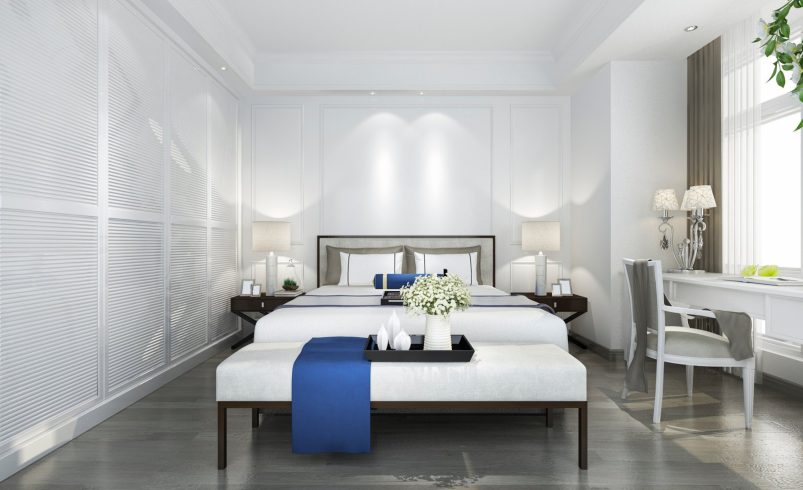

Color is one of the most powerful tools in hotel design. Beyond aesthetics, it directly impacts mood, perception, and behavior, shaping how guests feel during their stay. Choosing the right paint colors can elevate comfort, encourage relaxation, and even influence how long guests spend in common areas.
This guide explores how strategic use of paint colors enhances guest experience and reinforces a hotel’s brand identity.
1. The Psychology of Color in Hotels
Different colors evoke different emotions. Understanding these effects helps create spaces that align with your hotel’s goals:
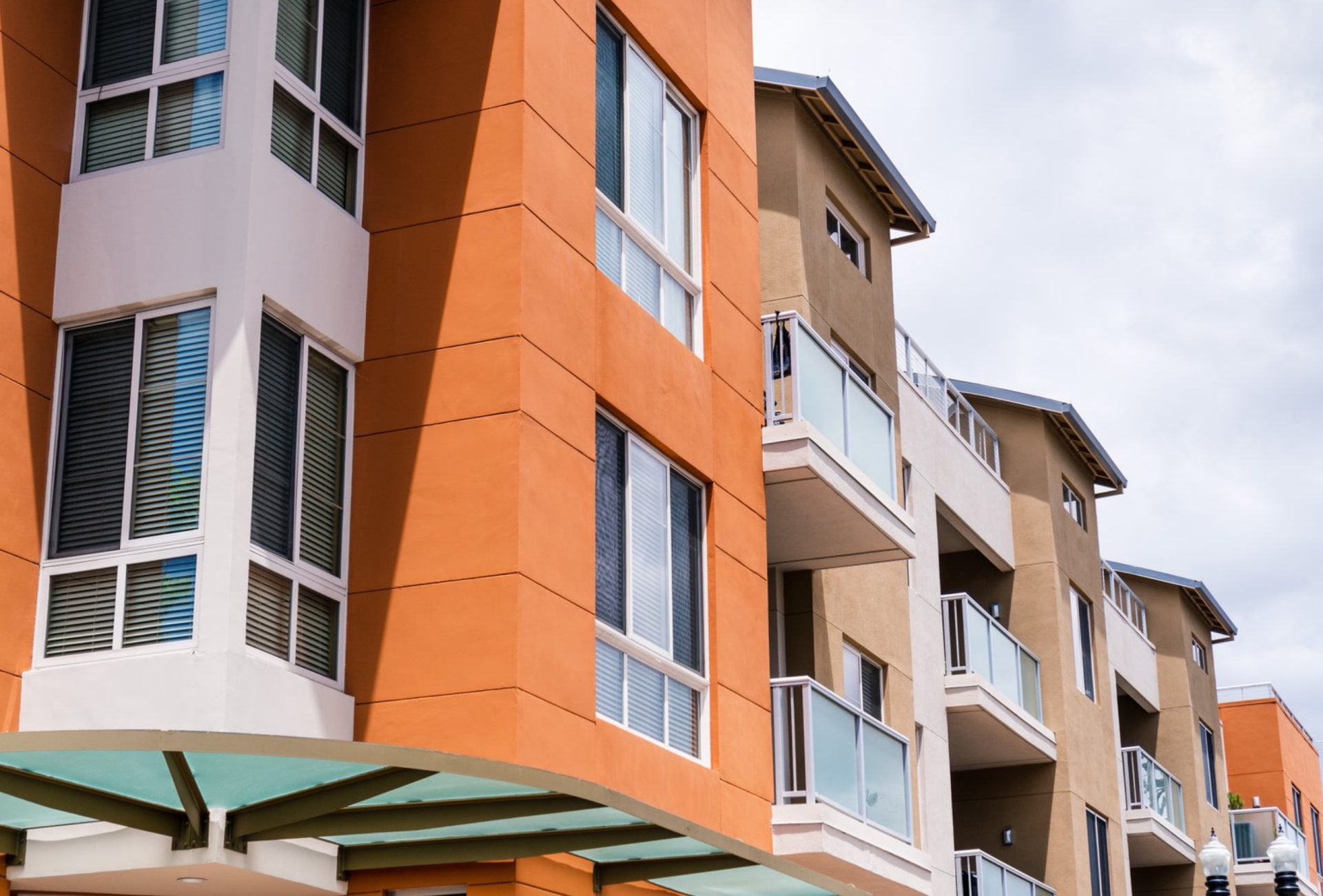
- Warm Colors (Red, Orange, Yellow): Energizing and welcoming, ideal for lobbies, cafes, and active social areas.
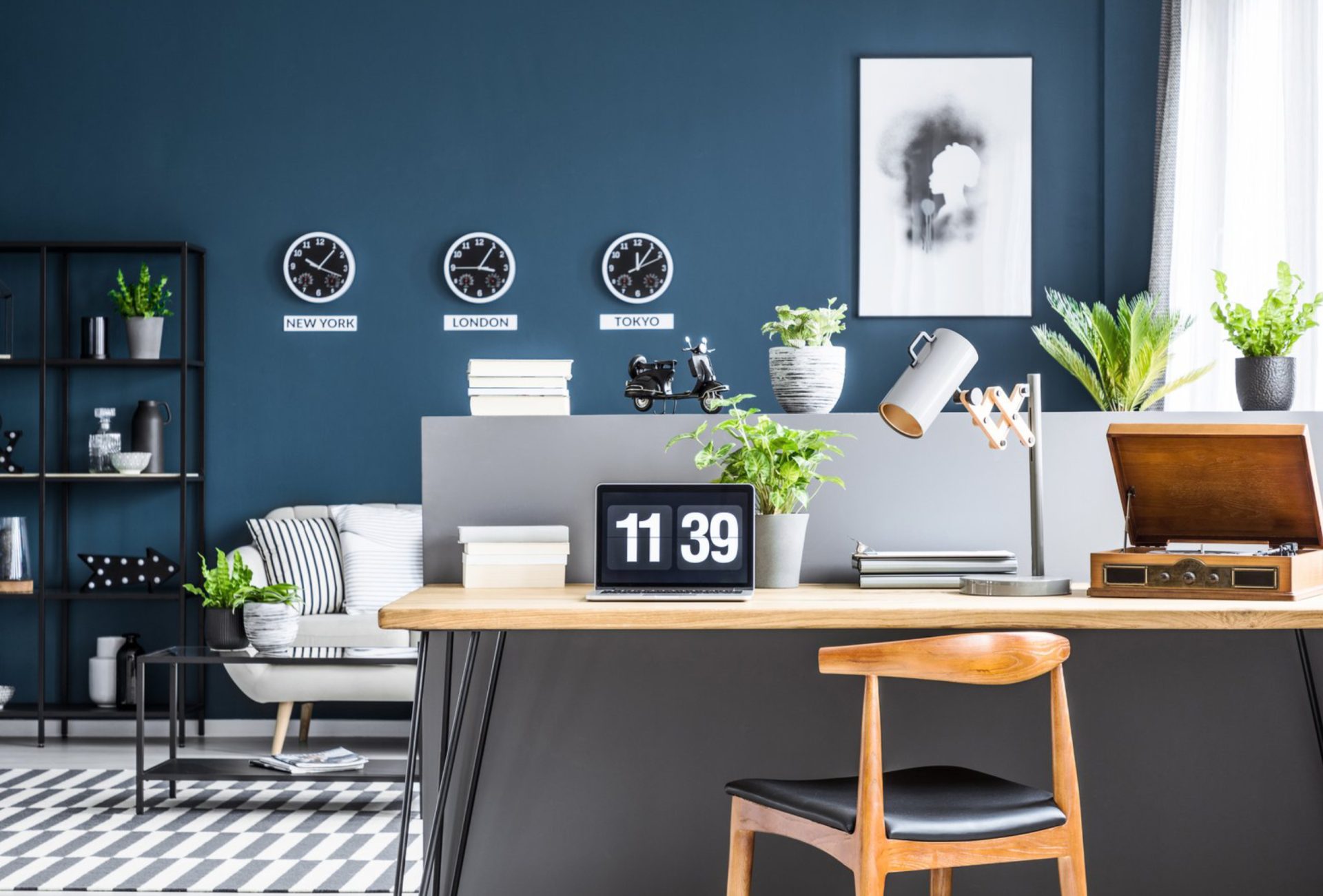
- Cool Colors (Blue, Green, Purple): Calming and relaxing, perfect for guest rooms, spas, and meditation spaces.
- Neutral Colors (Beige, Gray, Cream): Sophisticated and versatile, providing balance and a timeless aesthetic.
- Accent Colors: Bold accents highlight architectural features, furniture, or artwork, adding visual interest and luxury.
2. Guest Rooms: Comfort and Relaxation
Guest rooms are private spaces for rest. Paint choices should prioritize serenity and comfort:
- Soft Neutrals: Creams, taupes, and light grays create a soothing environment.
- Muted Blues and Greens: Promote relaxation and stress relief.
- Subtle Accents: Accent walls in calming tones or metallic finishes can enhance elegance without overstimulation.
Pro Tip: Avoid overly bright or saturated colors that may disturb sleep or feel overwhelming.
3. Lobbies and Common Areas: First Impressions Matter
The lobby is a hotel’s showcase—colors here set the tone:
- Rich, Warm Hues: Deep blues, emerald greens, and gold accents create a luxurious, welcoming atmosphere.
- High-Contrast Accents: Highlight architectural details, reception desks, or artwork.
- Lighting Considerations: Adjust color choices based on natural and artificial lighting to ensure consistency and warmth.
4. Dining and Lounge Areas: Appetite and Social Interaction
Color influences both mood and behavior in restaurants and lounges:
- Warm Colors: Reds, oranges, and yellows can stimulate appetite and energy.
- Earth Tones: Soft browns and greens provide a cozy, grounded environment.
- Contrasting Accents: Use feature walls or trim to create zones or visual separation.
Pro Tip: Pair color with texture—wood, metal, and fabrics enhance visual appeal and comfort.
5. Hallways and Corridors: Cohesion and Flow
Corridors connect spaces and influence guest perception of hotel size:
- Light, Neutral Shades: Brighten narrow corridors and reduce feelings of confinement.
- Subtle Accents: Doors, trims, or art pieces in contrasting colors create depth and interest.
- Consistent Palette: Maintain harmony with guest rooms and public areas to reinforce a cohesive brand experience.
6. Impact of Color on Brand Identity
- Luxury Hotels: Deep jewel tones, metallic accents, and sophisticated neutrals convey elegance and exclusivity.
- Boutique Hotels: Playful or eclectic colors reflect creativity and unique personality.
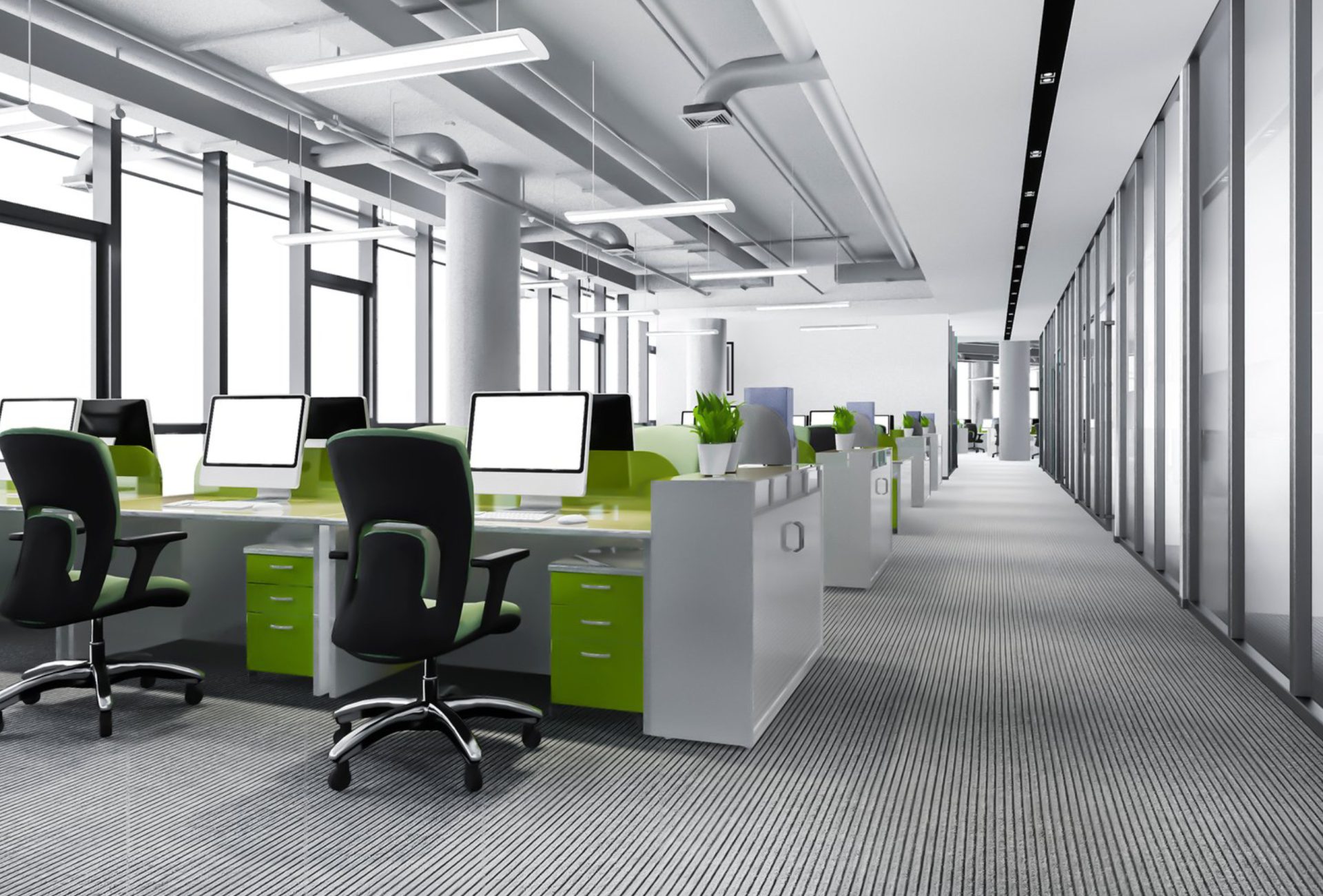
- Business Hotels: Muted, professional shades promote calm, focus, and productivity.
- Eco-Friendly Hotels: Natural tones, soft greens, and earthy shades align with sustainability messaging.
Color choices reinforce the story and positioning of your hotel, ensuring guests associate the ambiance with the intended experience.
7. Common Mistakes to Avoid
- Choosing colors based solely on trends without considering brand identity.
- Overloading rooms with bold or bright colors that overwhelm guests.
- Ignoring the influence of lighting on color perception.
- Mismatching colors across public and private areas, creating inconsistency.
- Using low-quality paints that fade or stain quickly, diminishing the guest experience.
8. Final Thoughts
Paint colors are a powerful tool for shaping guest experience in hotels. Thoughtful selection and strategic use of colors enhance comfort, mood, and brand perception, creating spaces guests want to return to.
A well-planned hotel color scheme integrates psychology, functionality, and aesthetics to transform every stay into a memorable experience while maintaining luxury and durability.