





When customers walk into a restaurant, they instantly form impressions. While décor, furniture, and lighting contribute, wall colors play a critical role in shaping your restaurant’s brand identity. Strategic painting can communicate style, quality, and personality—reinforcing your brand at every touchpoint.
This guide explores how thoughtful use of paint can strengthen your restaurant’s brand identity and customer perception.
1. Communicate Your Brand Through Color
- Brand Personality: Colors convey emotions and values. For example:
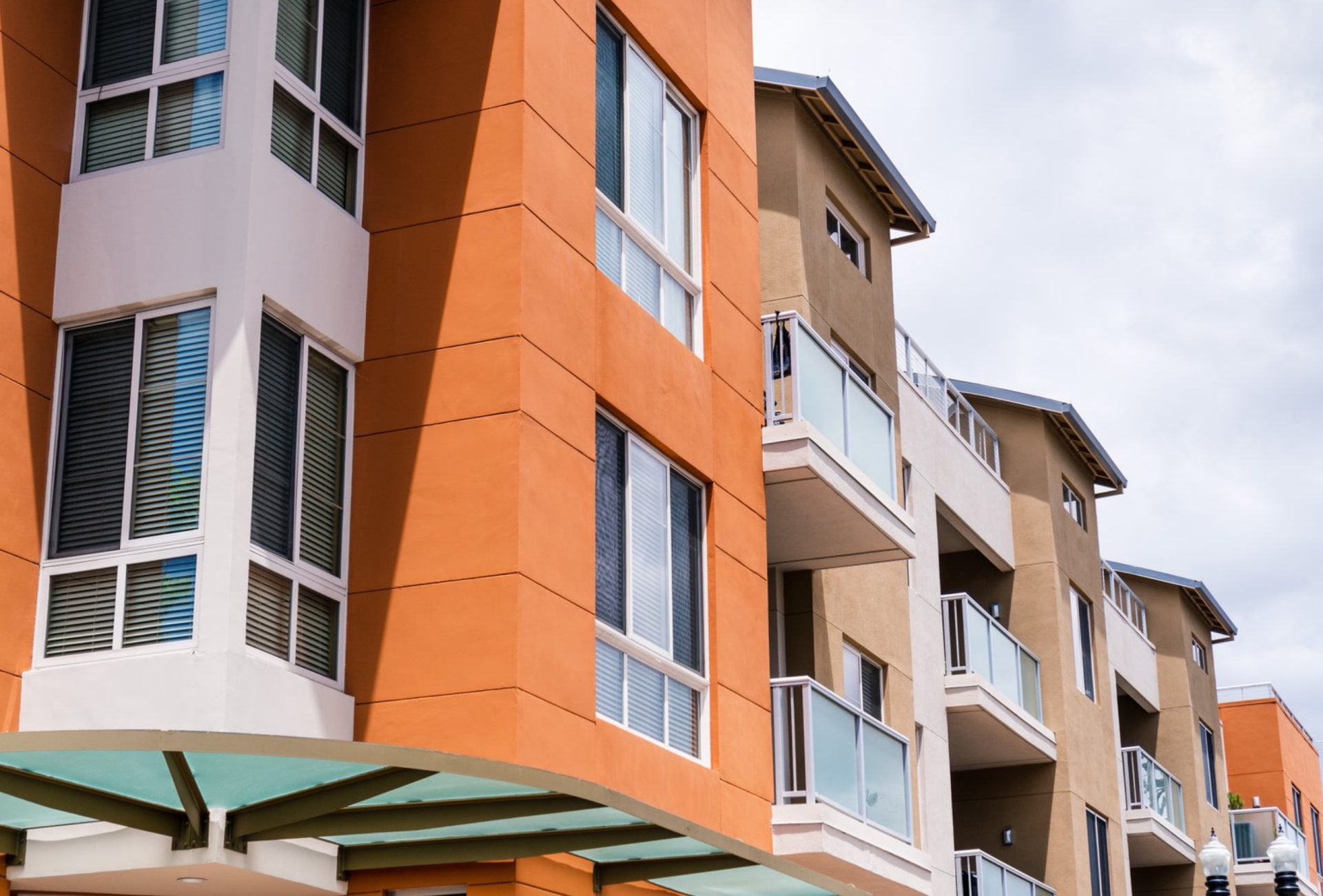
- Bold reds and oranges: Energetic, lively, fun
- Muted greens and browns: Natural, eco-conscious, relaxed
- Blues and grays: Sophisticated, upscale, calm
- Consistency Matters: Align interior colors with your logo, signage, and marketing materials. Customers subconsciously connect consistent color cues with brand reliability.
2. Accent Walls for Brand Messaging
- Highlight Brand Elements: Feature walls can showcase menus, artwork, or signature dishes.
- Subtle Branding: Use accent walls to incorporate brand colors without overwhelming the space.
- Visual Hierarchy: Guide customers’ attention to key areas like entrances, dining zones, or chef’s specials.
3. Influence Dining Experience
- Mood Setting: Color sets the emotional tone of a restaurant:
- Warm colors stimulate appetite and energy
- Cool colors create a calm, relaxed ambiance
- Customer Behavior: The right color scheme encourages longer stays, repeat visits, and higher satisfaction.
4. Harmonize with Décor and Furniture
- Cohesive Design: Wall colors should complement furniture, flooring, and lighting.
- Avoid Clashes: Inconsistent color choices can confuse customers and weaken brand identity.
- Strategic Contrast: Use complementary colors to make focal points pop, emphasizing key features or products.
5. Durable Paints Reinforce Quality
- Long-Lasting Finishes: A professionally painted interior conveys attention to detail and quality.
- Washable Surfaces: Easy-to-clean paints maintain a pristine look, reflecting professionalism.
- Low VOC Options: Healthy, safe interiors reflect care for customers and employees alike.
6. Seasonal and Trend Considerations
- Timeless vs. Trendy: Avoid overly trendy colors that may date quickly and clash with your long-term brand image.
- Seasonal Touches: Small accent updates can refresh spaces while maintaining brand consistency.
- Customer Expectation: Colors should align with your cuisine, location, and overall dining concept.
7. Prep and Professional Execution
- Surface Preparation: Clean, repair, and prime walls for a flawless finish.
- Professional Application: Even coverage, smooth finishes, and consistent color demonstrate attention to quality.
- Detail Work: Trim, moldings, and doors painted to match or complement brand colors elevate the overall impression.
8. Common Mistakes to Avoid
- Ignoring brand colors or choosing inconsistent shades
- Overusing bold colors without balancing neutrals
- Neglecting surface prep, leading to peeling or uneven finishes
- Failing to consider lighting, which affects color perception
- Mismatching paint with furniture, signage, or décor
9. Final Thoughts
Painting is more than decoration—it’s a strategic tool that communicates your restaurant’s brand identity. From color psychology to accent walls, lighting considerations, and durable finishes, every paint choice impacts customer perception.
A well-planned painting strategy reinforces brand values, enhances the dining experience, and differentiates your restaurant in a competitive market. Investing in professional, thoughtful painting ensures your interior reflects the quality, personality, and style that define your brand.