
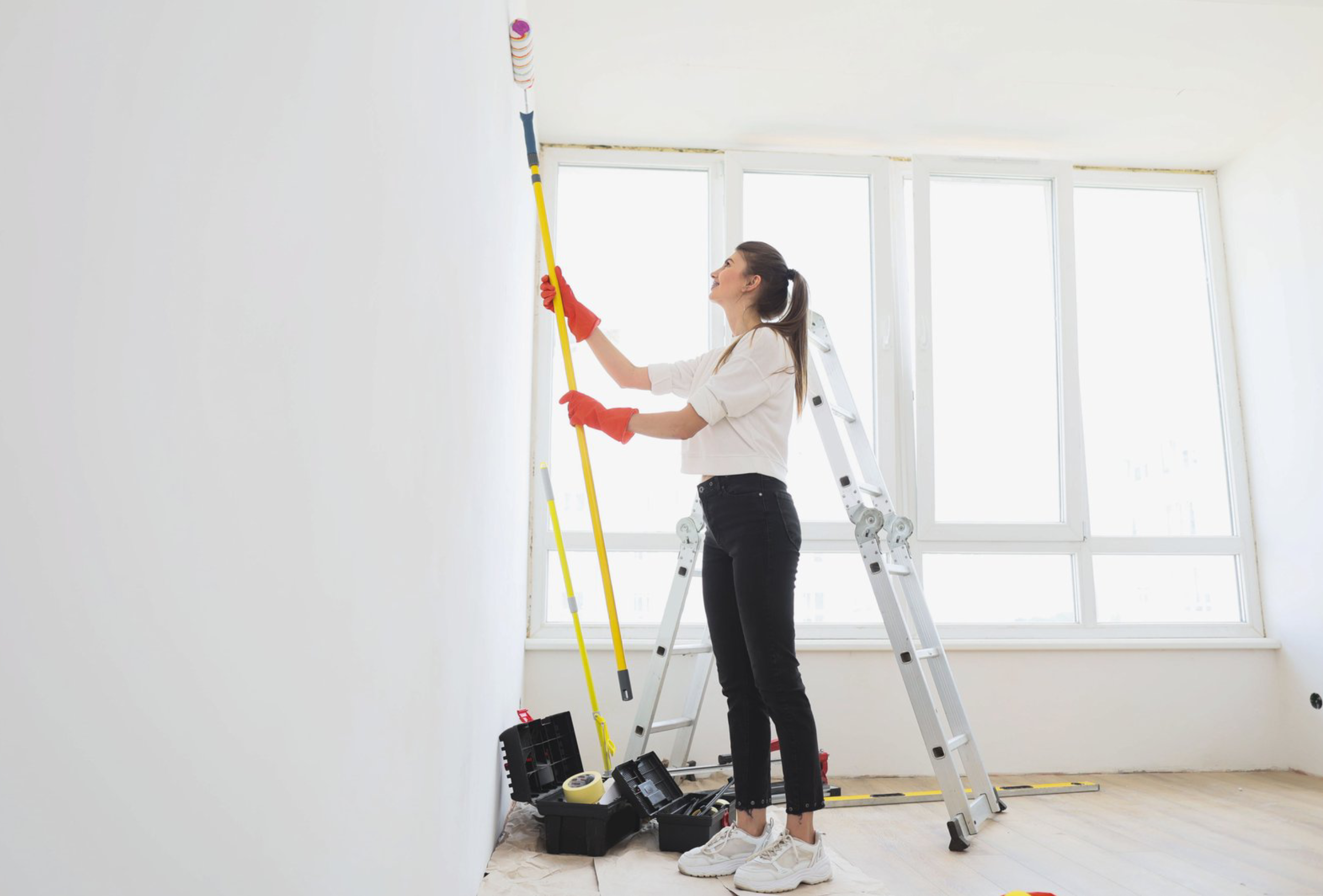

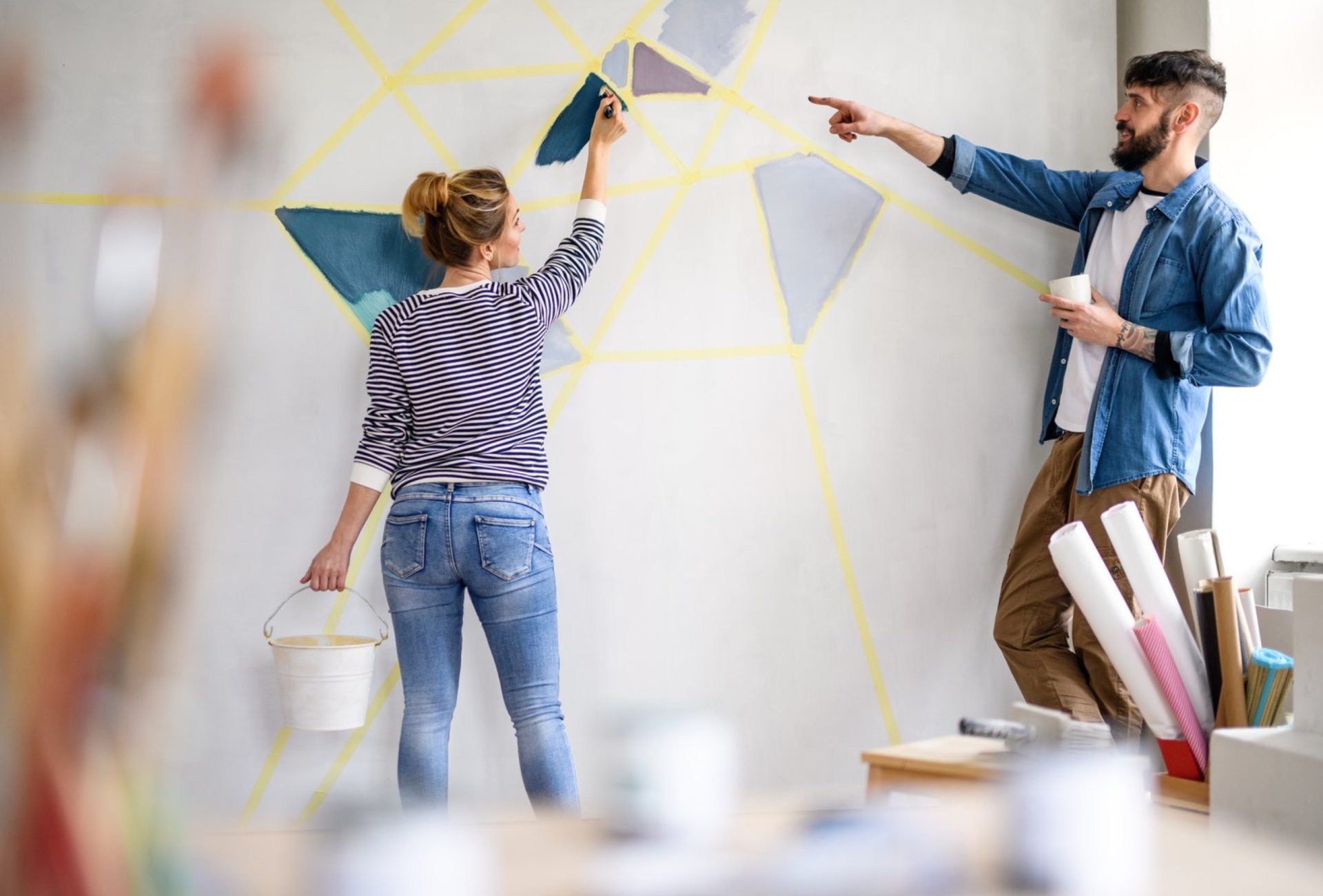

A beautiful paint job isn’t just about color—it’s about durability. Proper surface preparation is the secret to a long-lasting finish, whether for interior walls or exterior siding. Skipping prep may save time initially, but it often leads to peeling, cracking, fading, and uneven coverage, requiring costly repairs sooner. Here’s why prep matters and how to do it effectively.
1. Cleaning Surfaces Prevents Adhesion Problems
Dirt, grease, and dust create a barrier between the paint and the surface. Without thorough cleaning, paint won’t stick properly, leading to early peeling or bubbling.
Tips for Long-Lasting Paint:
- Wipe interior walls with a damp cloth or sponge.
- Remove kitchen grease, fingerprints, and grime using mild soap and water.
- Wash exterior surfaces with a pressure washer or scrub brush to remove dirt, mold, or mildew.
- Always let surfaces dry completely before painting.
2. Repairing Cracks and Holes Improves Durability
Even small imperfections can compromise paint adhesion and make surfaces vulnerable to moisture.
Steps for Effective Repair:
- Fill holes, dents, and cracks with spackle or exterior filler.
- Sand repaired areas smooth to ensure seamless blending.
- For exterior wood or siding, seal gaps with caulk to prevent water infiltration.
Benefit: A smooth, intact surface allows paint to adhere evenly, extending its lifespan.
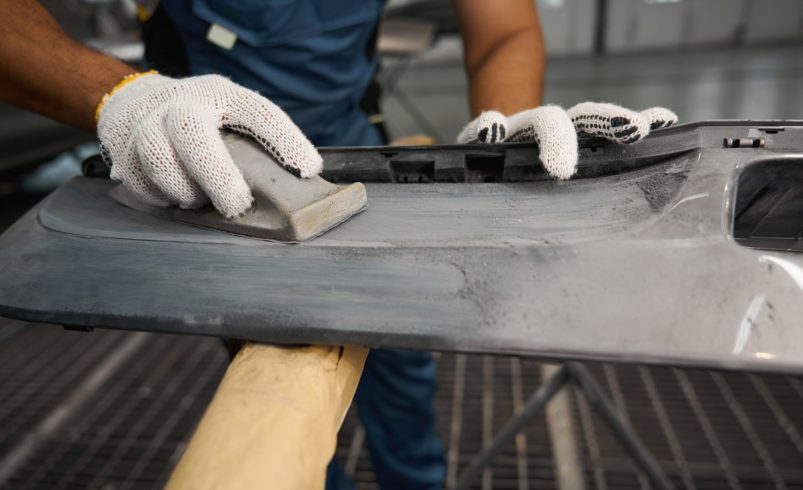
3. Sanding Ensures a Smooth Finish
Rough or glossy surfaces can prevent paint from adhering evenly, causing uneven textures and early wear.
Best Practices:
- Sand old paint, primer, or rough drywall with fine-grit sandpaper.
- Smooth edges where old paint meets bare surfaces to prevent peeling.
- Wipe down dust after sanding for a clean surface.
Benefit: Sanding creates a uniform surface that improves both the appearance and longevity of your paint.
4. Priming Strengthens Adhesion and Coverage
Primer is a foundational layer that ensures paint sticks properly and maintains its color over time.
When to Prime:
- Bare wood, drywall, or metal surfaces.
- Covering dark or uneven colors.
- Painting over glossy or previously painted surfaces.
Benefit: Primer prevents uneven absorption of paint, reduces the number of topcoats required, and protects the surface from stains or water damage.
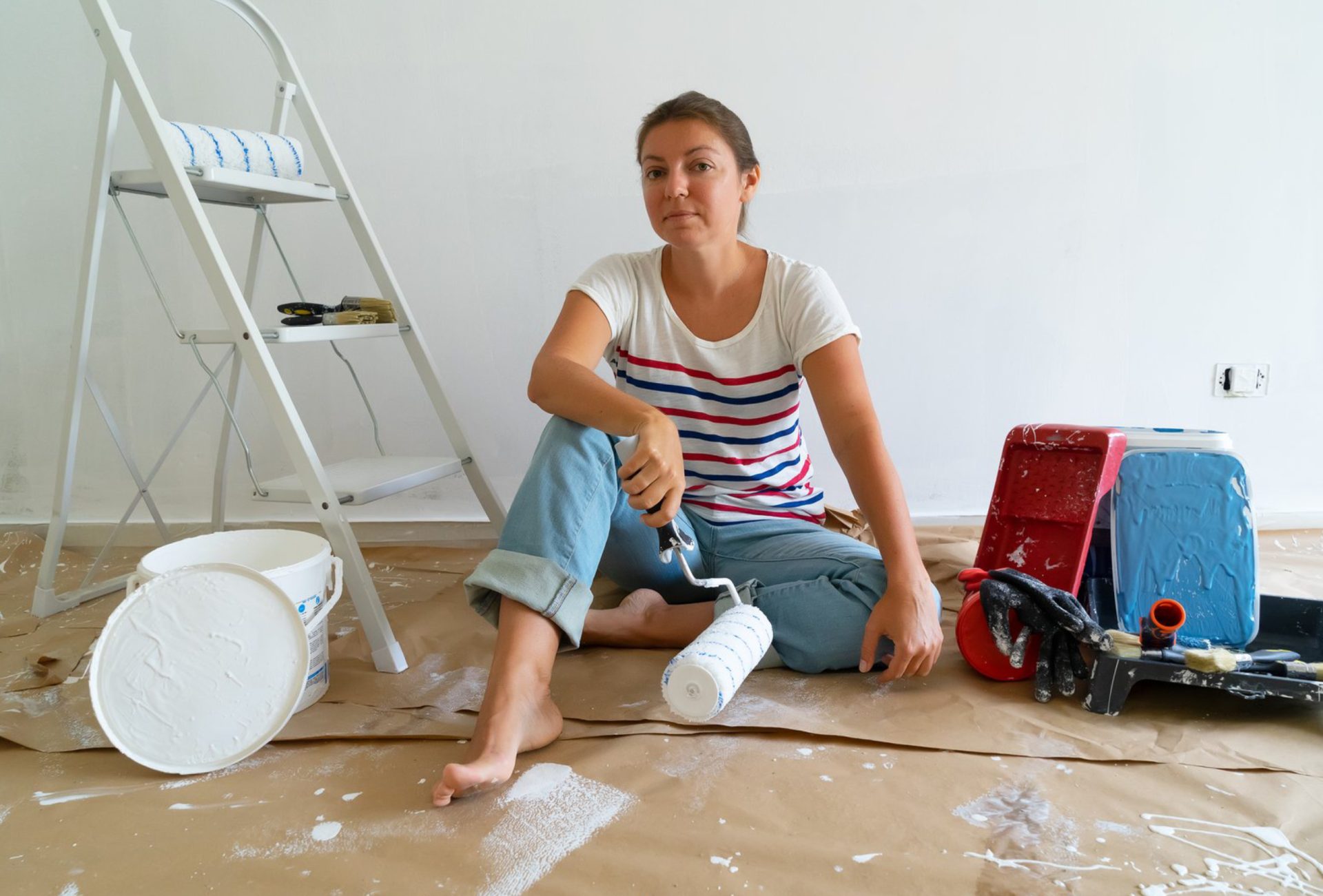
5. Protecting Surrounding Areas Reduces Rework
Spills and overspray on floors, furniture, and trim can cause additional cleanup and even damage the paint job if not handled.
How to Protect:
- Use painter’s tape along trim, windows, and ceilings.
- Cover floors and furniture with drop cloths.
- Remove or mask hardware, vents, and fixtures before painting.
Benefit: Clean edges and protected areas reduce the likelihood of mistakes that require repainting.
6. Weather and Moisture Considerations
For exterior projects, improper prep in terms of moisture or weather can shorten paint life.
Steps:
- Avoid painting on damp or rainy days.
- Ensure siding and wood are completely dry.
- Remove mildew using a bleach solution before painting.
Benefit: Dry, clean surfaces help paint adhere better and resist peeling, blistering, or mold growth.
7. Planning Your Paint Job Saves Time and Enhances Quality
Proper prep also involves planning, which prevents rushed work that can cause mistakes.
Tips:
- Test paint on a small section to confirm color and adhesion.
- Gather all tools and materials before starting.
- Sequence your painting from ceilings to walls to trim for efficiency.
Benefit: Organized preparation ensures smooth application, consistent coverage, and fewer touch-ups.
Conclusion
Proper surface preparation is the foundation of a paint job that lasts. Cleaning, repairing, sanding, priming, and protecting surfaces prevents adhesion issues, uneven finishes, and early deterioration. It not only enhances the appearance of your paint but also ensures your effort and investment stand the test of time. Whether painting a single room or an entire home exterior, spending time on prep work guarantees a smoother, more durable, and professional-looking finish.