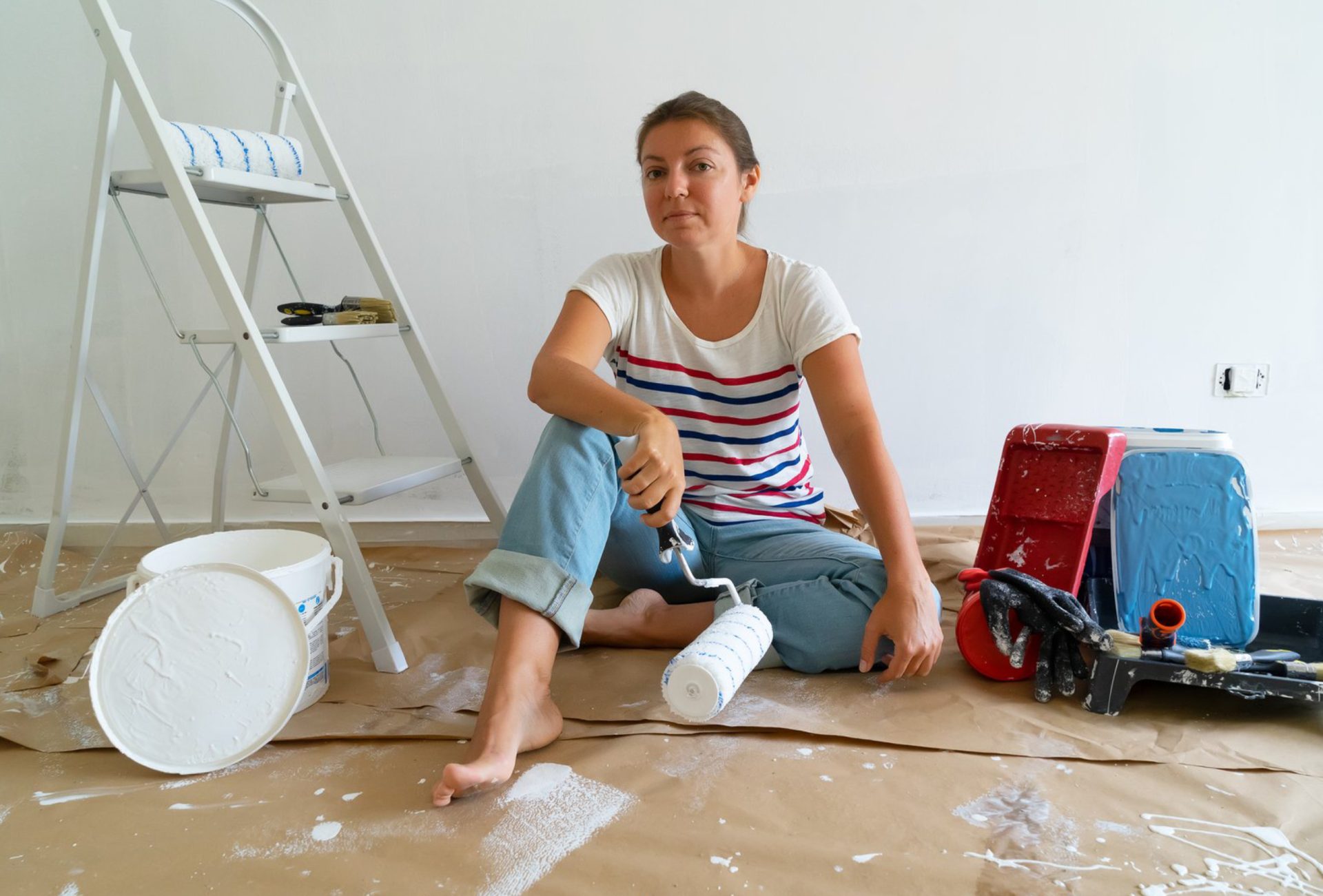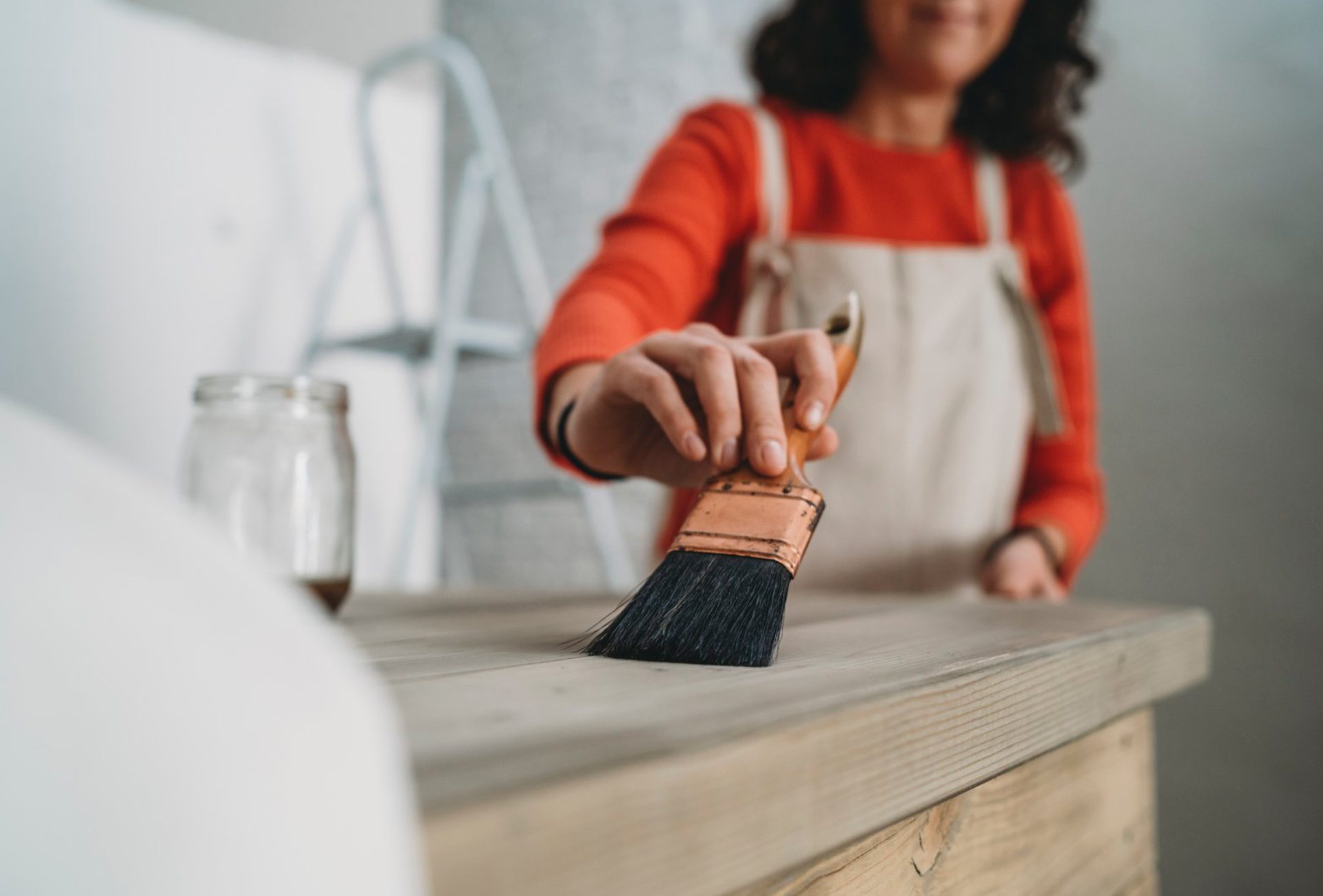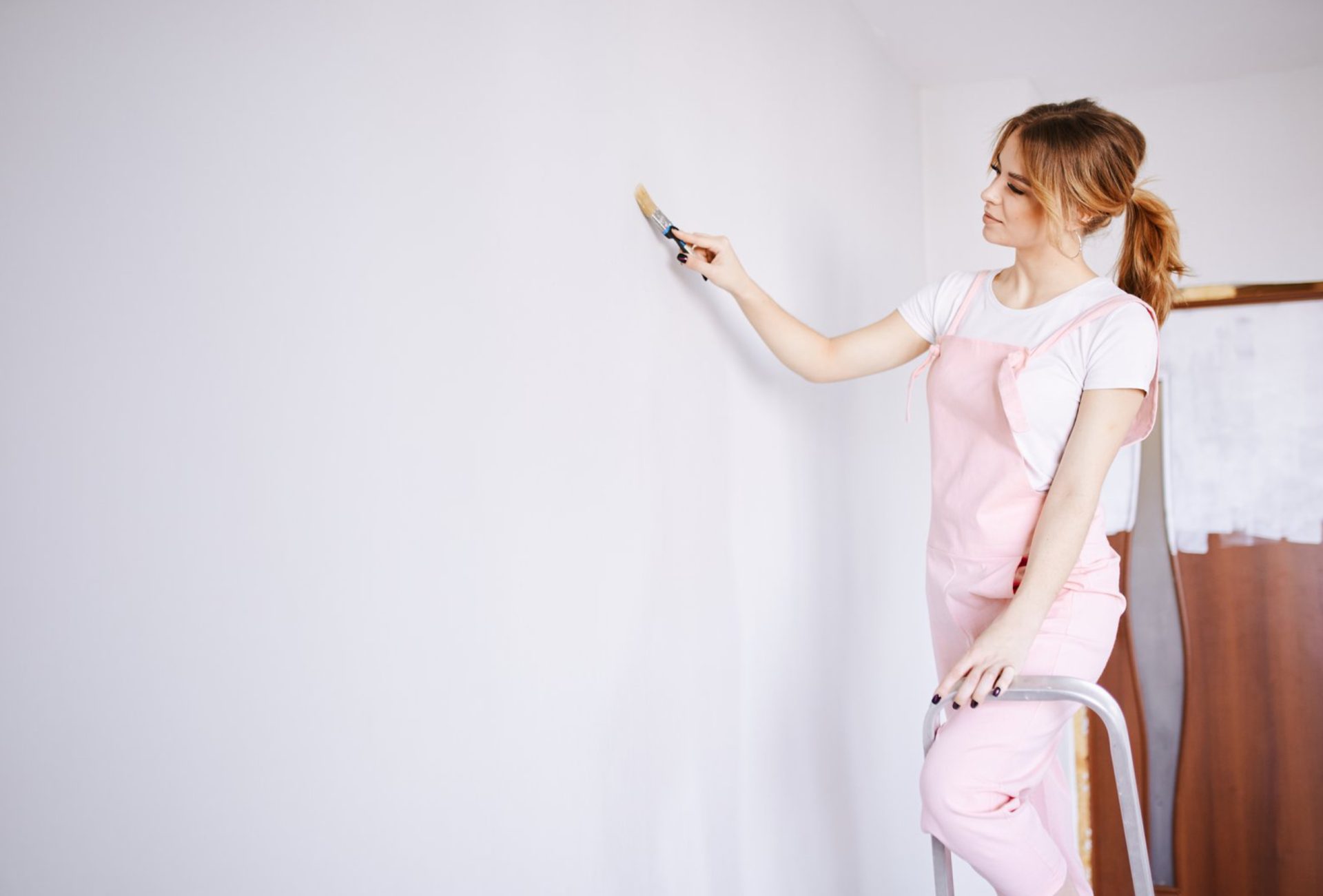

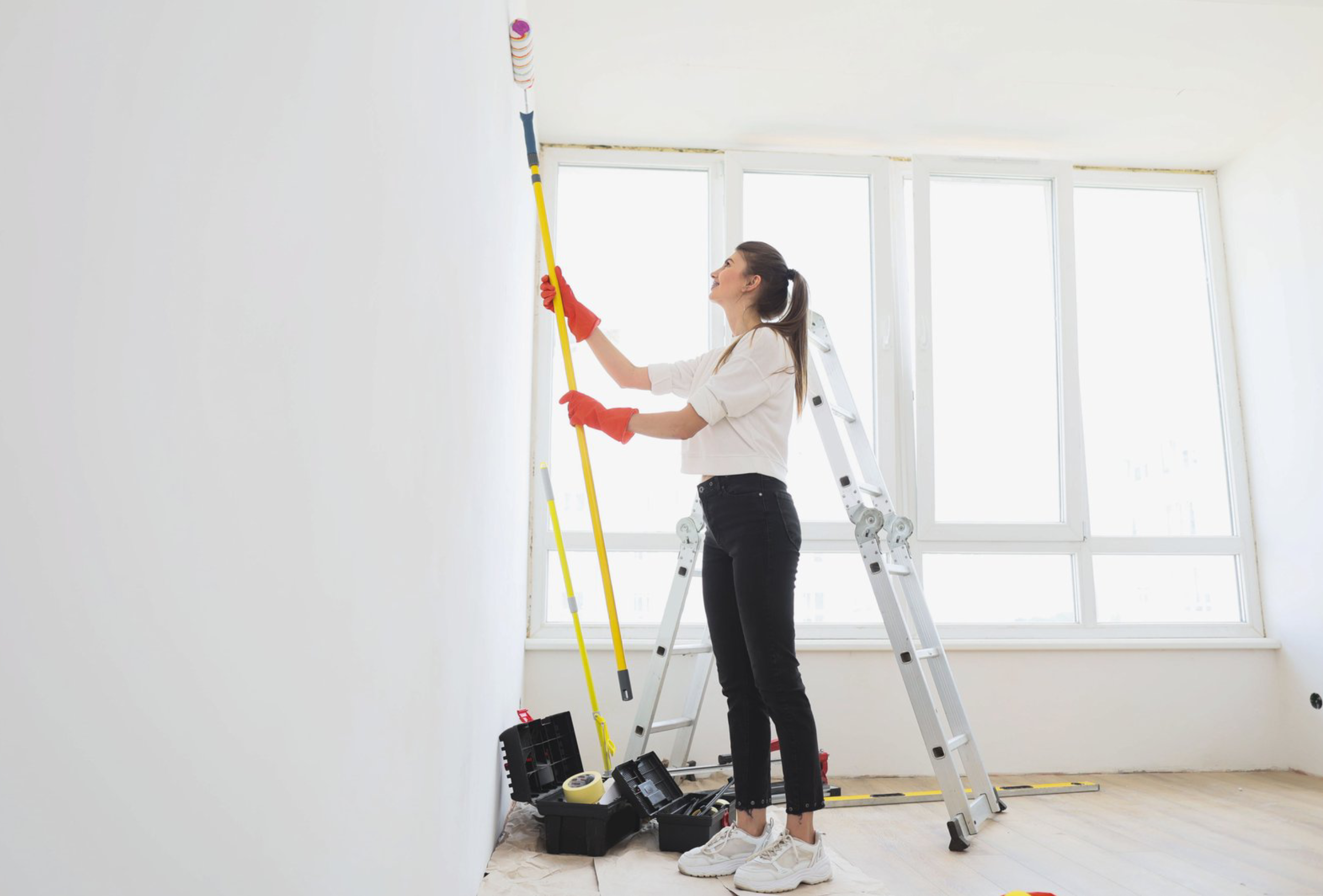


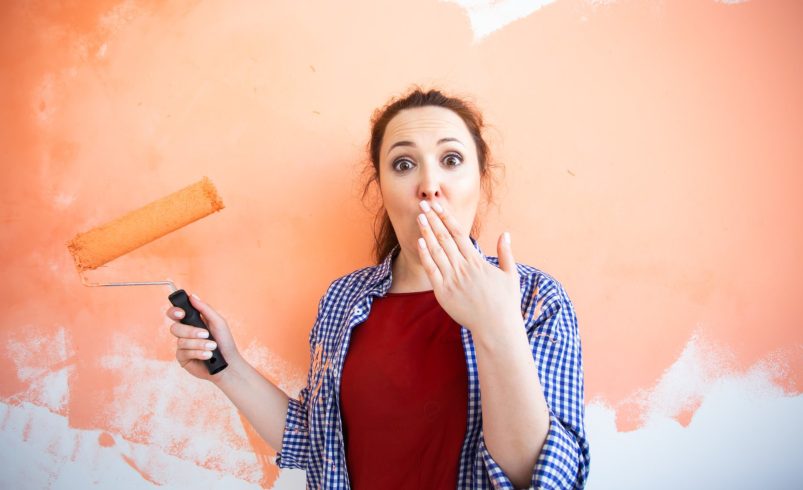

Even experienced painters occasionally make mistakes, but the good news is most painting errors can be corrected at home with the right approach. Fixing mistakes promptly ensures your paint job looks professional and lasts longer. This guide covers common painting errors and provides step-by-step solutions for repairing them.
1. Drips and Runs
Drips occur when paint is applied too thickly or the brush/roller is overloaded.
How to Fix:
- Wait until the paint is slightly dry but still tacky.
- Use a clean brush or roller to smooth out the drip.
- For dried drips, lightly sand the area and reapply a thin coat of paint.
Prevention Tip:
- Apply thin, even coats and remove excess paint from the brush or roller before application.
2. Brush Marks and Streaks
Visible brush marks can ruin a smooth finish, often caused by over-brushing or using the wrong brush.
How to Fix:
- Lightly sand the surface with fine-grit sandpaper.
- Wipe off dust with a damp cloth.
- Apply a thin coat of paint using proper technique (feathering strokes).
Prevention Tip:
- Use high-quality brushes and avoid over-brushing after the paint starts to dry.
3. Roller Texture (Orange Peel)
Sometimes roller application leaves a textured surface instead of a smooth finish.
How to Fix:
- Sand the surface lightly once dry.
- Reapply a thin coat of paint with a high-density roller or sprayer for smoother results.
Prevention Tip:
- Use the correct roller nap for your surface.
- Avoid overloading rollers and maintain even pressure while rolling.
4. Paint Peeling or Flaking
Peeling occurs when the surface wasn’t prepped properly, or the paint isn’t compatible.
How to Fix:
- Remove loose paint with a scraper or sandpaper.
- Clean and prime the surface before repainting.
- Use paint suitable for the surface type and environment.
Prevention Tip:
- Always prep surfaces and use primers when necessary, especially on bare wood or repaired areas.
5. Uneven Coverage
Patchy or uneven paint results from inconsistent application, poor-quality paint, or insufficient coats.
How to Fix:
- Apply additional thin coats until color and coverage are uniform.
- Sand rough areas between coats for a smooth finish.
Prevention Tip:
- Stir paint thoroughly before use.
- Apply multiple thin coats rather than one thick coat.
6. Lap Marks
Lap marks appear when partially dried paint overlaps fresh paint, often due to rolling over sections too slowly.
How to Fix:
- Lightly sand the area to blend the lap mark.
- Repaint the section immediately, working in smaller areas and maintaining a wet edge.
Prevention Tip:
- Work quickly and maintain a wet edge to avoid overlaps.
- Use consistent pressure and roller technique.
7. Paint Bubbles or Blisters
Bubbles often occur on damp surfaces, or when painting over glossy or oily surfaces without proper prep.
How to Fix:
- Scrape off the bubbled paint.
- Sand the area smooth and prime before repainting.
- Ensure surfaces are clean and dry before painting.
Prevention Tip:
- Avoid painting in high humidity or on unprepared glossy surfaces.
8. Color Inconsistency
Colors may look different than expected due to lighting, paint batches, or improper mixing.
How to Fix:
- Mix leftover paint thoroughly before use.
- Apply a new coat using paint from the same batch for consistency.
- Test color on a small section before painting the entire area.
Prevention Tip:
- Purchase slightly more paint than needed from the same batch.
- Observe color under different lighting conditions before starting.
9. Paint on Unintended Surfaces
Accidental splatters or overspray can happen during painting.
How to Fix:
- Wipe fresh paint immediately with a damp cloth.
- For dried paint, gently scrape or sand the area, then touch up.
- Use a small brush to correct edges and spots.
Prevention Tip:
- Protect floors, furniture, and trim with drop cloths and painter’s tape.
10. Cracking or Crazing
Cracks appear when paint is applied too thickly or incompatible layers are used.
How to Fix:
- Scrape or sand off cracked areas.
- Prime and repaint with compatible paint layers.
Prevention Tip:
- Apply paint in thin, even coats.
- Avoid applying latex paint over old oil-based paint without proper priming.
Conclusion
Mistakes happen, but most painting errors can be fixed at home with patience, the right tools, and proper technique. From drips and brush marks to peeling and color inconsistencies, addressing problems early ensures a flawless finish. Proper preparation, using the correct tools, and careful application not only prevent errors but also make future touch-ups easier and more effective. By following these tips, any DIYer or homeowner can achieve a professional-looking paint job.