






Warehouses are subjected to heavy use, constant traffic, and environmental challenges that can quickly wear down floors and walls. Protecting these surfaces with the right paint not only extends their life but also improves safety, efficiency, and aesthetics. This guide explains how to choose and apply paints that safeguard warehouse surfaces effectively.
1. Identify the Key Risks
Before selecting paint, understand the hazards your warehouse surfaces face:
- High Foot and Vehicle Traffic: Forklifts, carts, and pallets can quickly wear down floors.
- Chemical Exposure: Cleaning agents, oils, and industrial fluids can damage unprotected surfaces.
- Moisture and Humidity: Warehouses with poor ventilation or exposure to water require moisture-resistant coatings.
- Impact Damage: Walls and corners near equipment or storage areas often suffer bumps and scrapes.
Knowing the specific risks will help you choose paints that provide maximum protection.
2. Choose the Right Paint for Floors
- Epoxy Coatings: Highly durable and chemical-resistant, ideal for heavy-traffic floors.
- Polyurethane Coatings: Flexible and abrasion-resistant, excellent for high-wear areas.
- Anti-Slip Floor Paints: Prevent accidents in wet or slippery zones.
Chicagoland Paint Pro Tip: Combining epoxy with polyurethane topcoats adds extra protection and a glossy, professional finish.
3. Select Protective Paints for Walls
- Industrial Latex Paints: Durable and washable, suitable for general walls.
- Epoxy Wall Coatings: Provide hard, chemical-resistant surfaces for high-risk areas.
- Enamel Paints: Semi-gloss finishes resist scuffs and are easy to clean.
Focus on walls near machinery, storage, or chemical storage areas, where extra durability is critical.
4. Surface Preparation is Critical
Proper preparation ensures that the protective paint performs as expected:
- Clean Thoroughly: Remove dust, grease, and old paint residues.
- Repair Damage: Patch cracks, chips, and holes to prevent uneven wear.
- Priming: Use primers compatible with concrete, metal, or masonry surfaces.
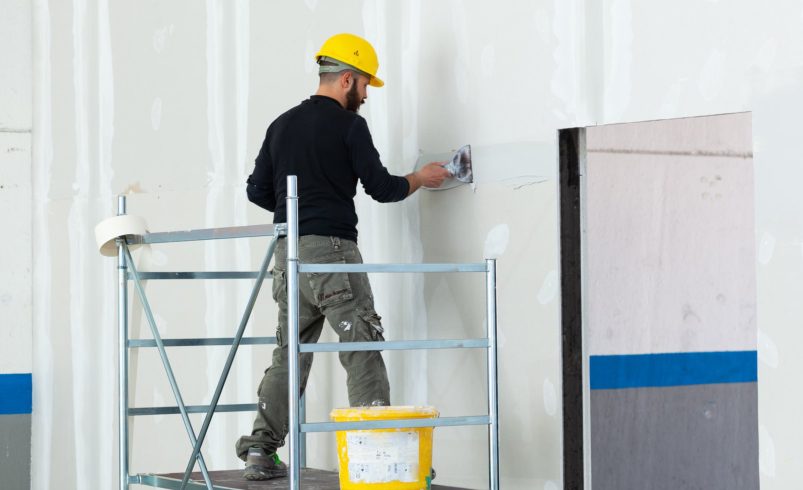
- Apply Even Coats: Thin, uniform layers increase durability and prevent peeling.
5. Incorporate Safety and Organization
- Color-Coded Zones: Use bright paints to indicate walkways, loading zones, and hazard areas.
- Signage Coordination: Combine wall and floor paint with safety signs for clear communication.
- Reflective or Light Colors: Improve visibility, reducing accidents and enhancing lighting efficiency.
6. Maintain Your Painted Surfaces
- Regular Cleaning: Wash floors and walls regularly to remove dirt, oil, and chemicals.
- Spot Repairs: Keep leftover paint for touch-ups on high-traffic or damaged areas.
- Inspect Periodically: Check for wear, peeling, or damage to prevent further deterioration.
7. Common Mistakes to Avoid
- Choosing residential-grade paints that cannot withstand industrial wear
- Ignoring moisture and chemical exposure, leading to premature damage
- Skipping prep work, causing poor adhesion and peeling
- Failing to mark safety zones clearly with paint
- Applying paint unevenly or too thinly, reducing protection
8. Final Thoughts
Protecting warehouse surfaces with the right paint ensures safety, efficiency, and long-term durability. Using industrial-grade floor and wall coatings, preparing surfaces properly, and maintaining painted areas extends their lifespan and keeps your warehouse running smoothly.
Investing in protective paint solutions minimizes repairs, enhances employee safety, and creates a professional, well-maintained industrial environment.