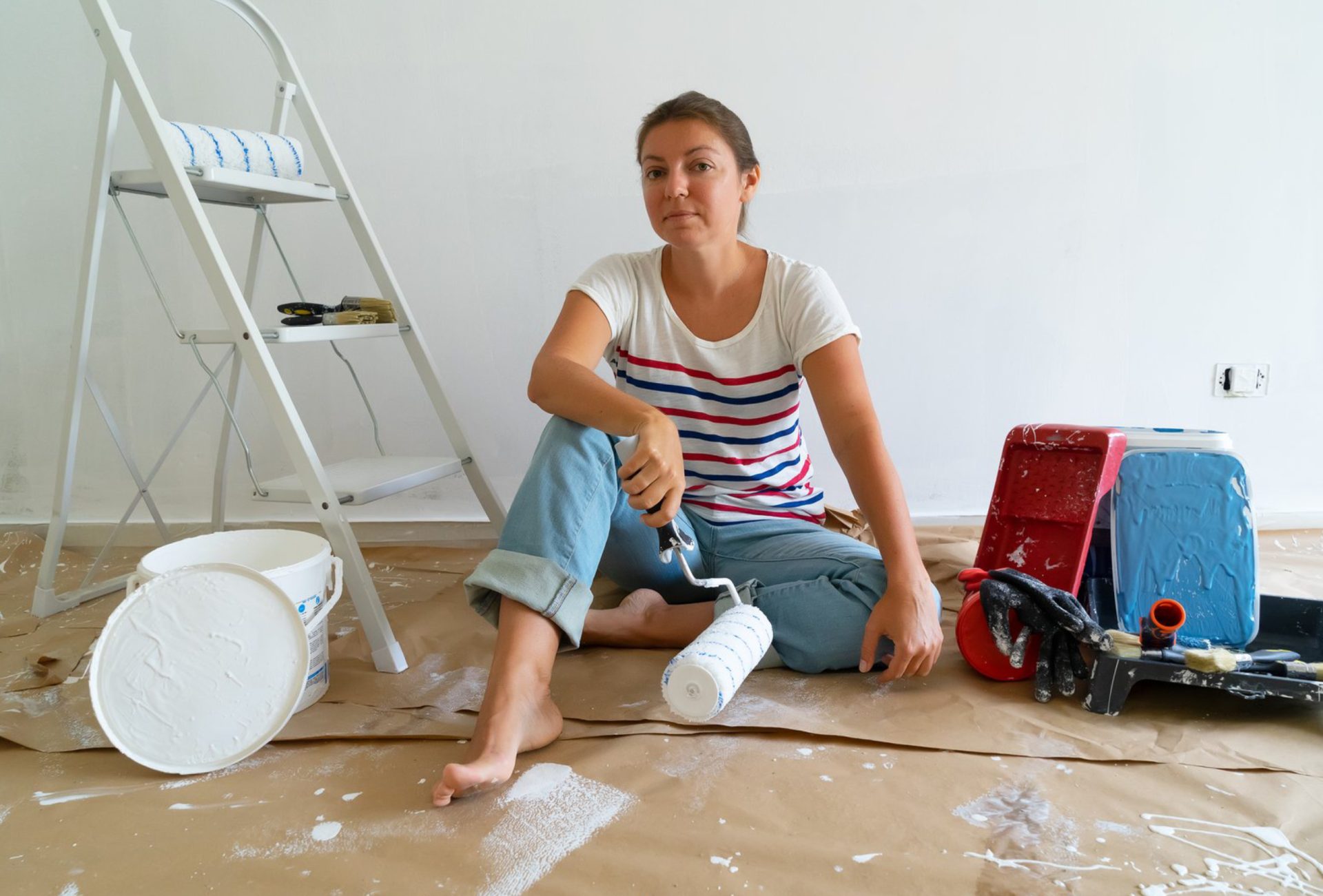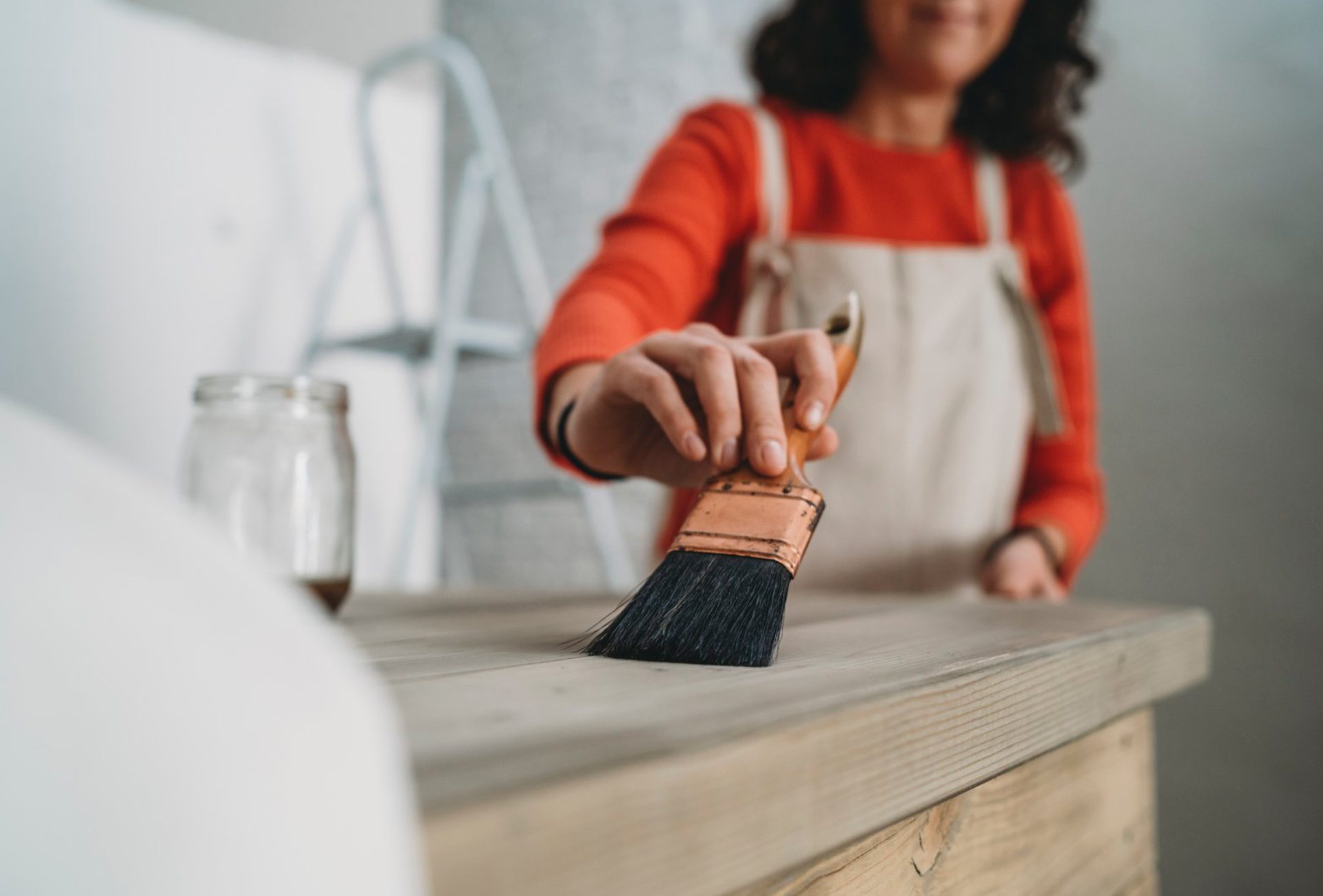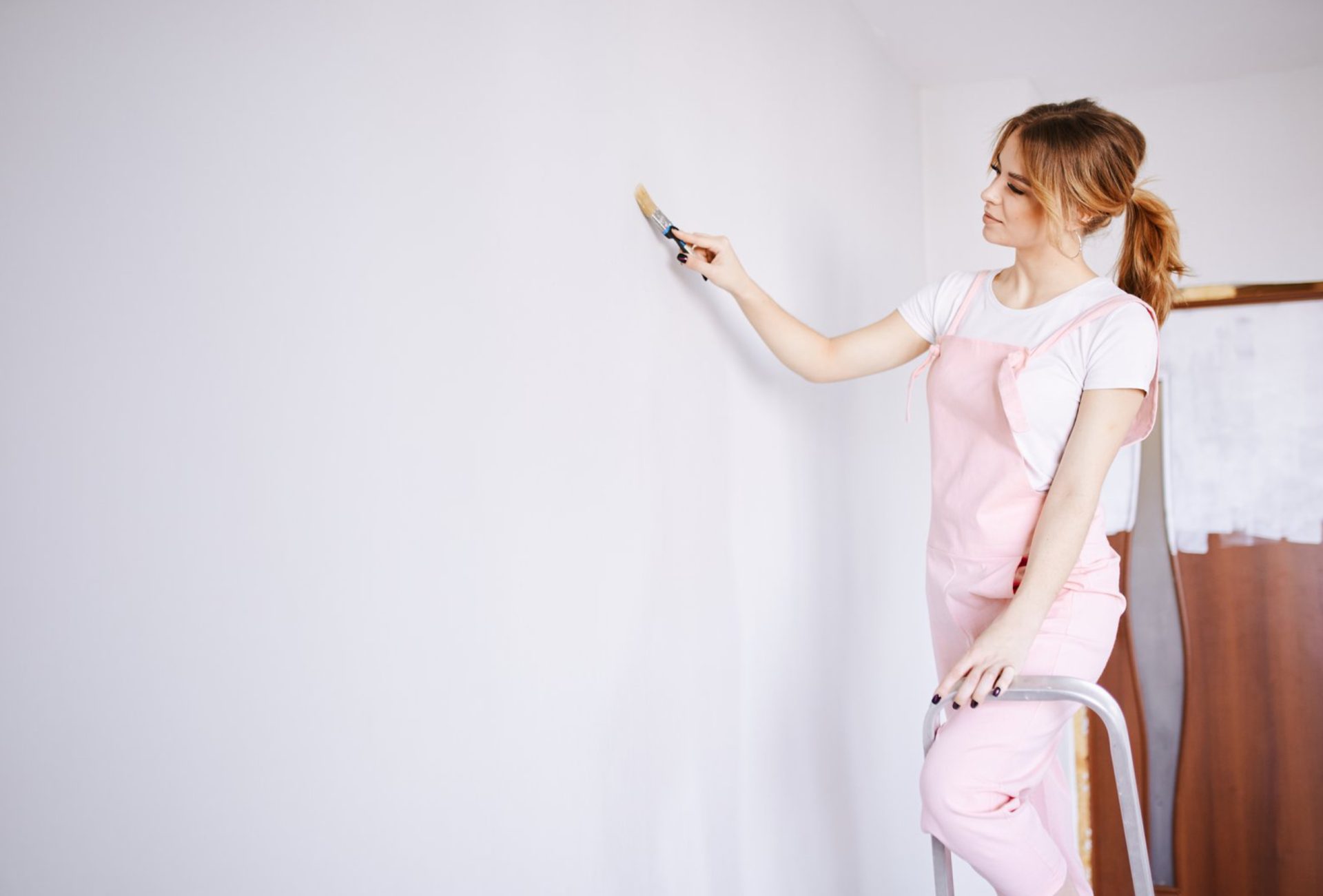

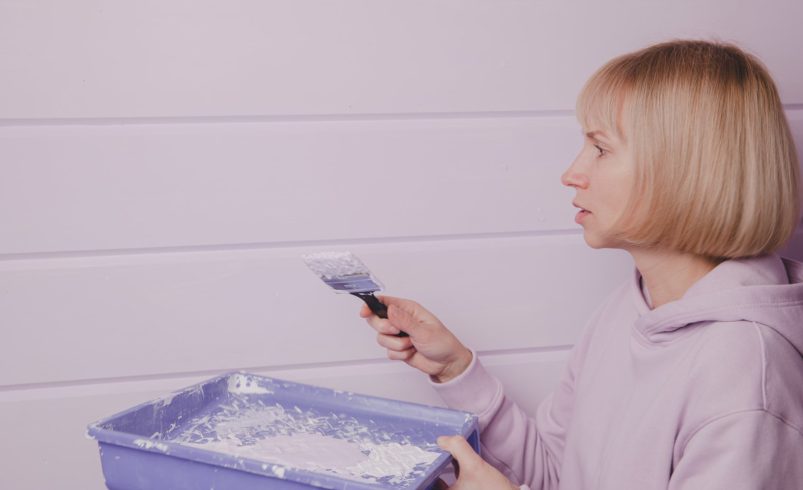

Painting can be rewarding, but it comes with potential hazards both indoors and outdoors. From chemical exposure to falls and heat-related risks, taking proper precautions is crucial. By following these protective measures, you can ensure a safe, efficient, and enjoyable painting experience.
1. Wear the Right Personal Protective Equipment (PPE)
Safety starts with proper gear:
Essentials:
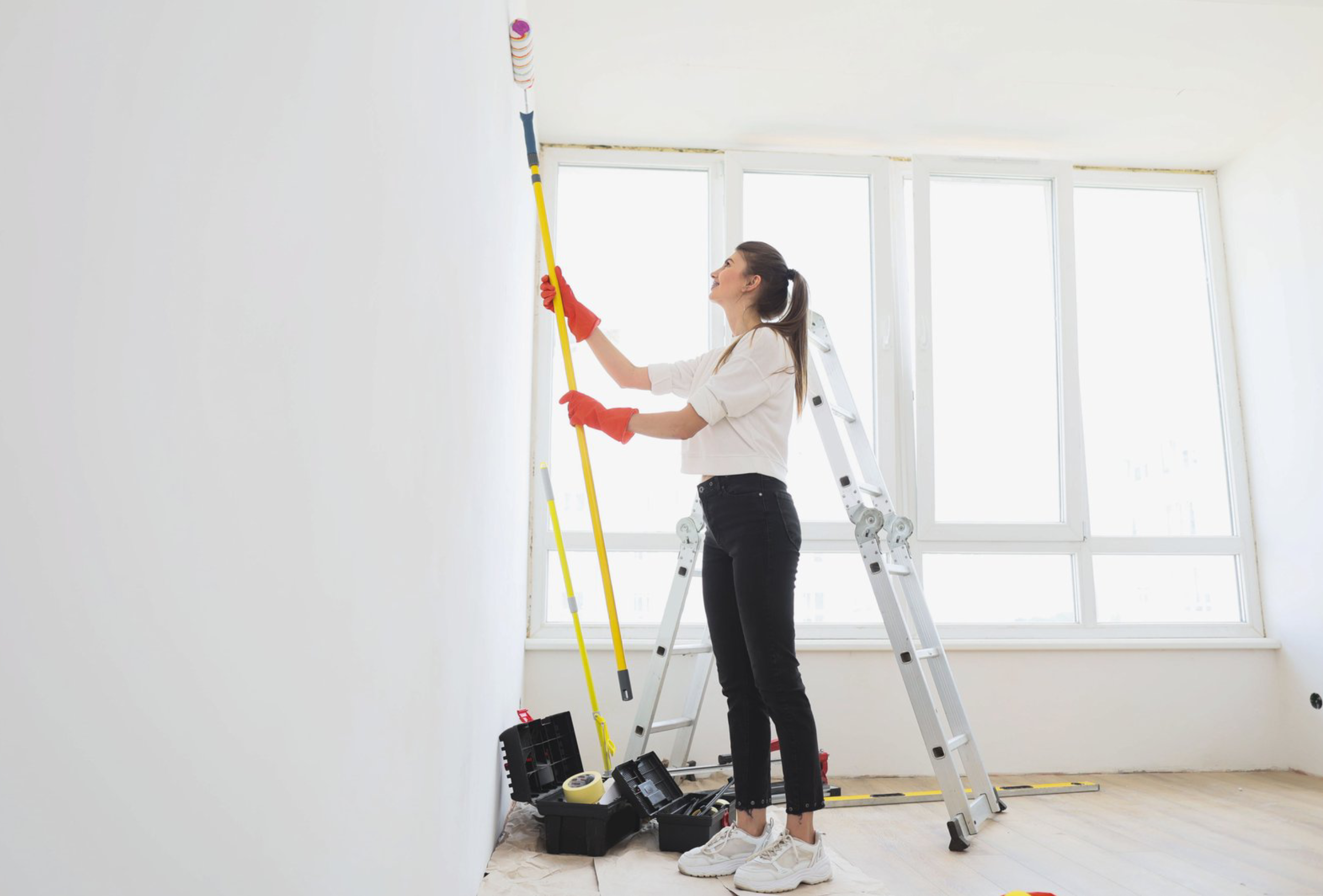
- Gloves: Protect hands from chemicals, solvents, and paints.
- Goggles: Prevent splashes from entering the eyes.
- Respirators or masks: Essential for fumes, dust, or sanding particles.
- Long-sleeve shirts and pants: Reduce skin contact and irritation.
- Sturdy shoes: Protect feet from spills, tools, and falls.
Pro Tip: Even water-based paints can irritate skin and eyes, so always wear PPE indoors and outdoors.
2. Ensure Adequate Ventilation Indoors
Indoor painting can concentrate fumes, especially in poorly ventilated areas:
Tips:
- Open windows and doors to allow fresh air to circulate.
- Use fans to direct fumes outside.
- Take frequent breaks to step outside and breathe fresh air.
Pro Tip: Avoid painting in sealed rooms or areas without airflow to prevent dizziness and headaches.
3. Protect Yourself from Outdoor Hazards
Outdoor painting introduces unique risks such as sun exposure, insects, and uneven terrain:
Guidelines:
- Apply sunscreen and wear a hat to protect from UV rays.
- Drink plenty of water to prevent dehydration.
- Watch for uneven ground, rocks, or slippery surfaces when moving ladders.
- Be aware of insects, plants, or wildlife that could cause injuries.
Pro Tip: Schedule outdoor painting for cooler parts of the day to avoid heat exhaustion.
4. Ladder and Height Safety
Whether indoors or outdoors, working at heights requires caution:
Tips:
- Use a sturdy, level ladder and inspect it before use.
- Maintain three points of contact at all times.
- Avoid leaning too far—move the ladder instead.
- Never place ladders on unstable or slippery surfaces.
Pro Tip: Outdoors, consider having a helper hold the ladder for extra stability.
5. Handle Paints and Chemicals Safely
Paints and solvents can be harmful if handled incorrectly:
Guidelines:
- Keep containers tightly sealed when not in use.
- Store paints away from heat sources and out of reach of children.
- Follow all manufacturer instructions for mixing and applying paints.
Pro Tip: Use eco-friendly, low-VOC paints indoors to minimize chemical exposure.
6. Avoid Slips, Trips, and Falls
Painting areas can quickly become hazardous:
Tips:
- Keep floors clear of tools, paint cans, and drop cloths.
- Clean spills immediately to prevent slipping.
- Arrange cords and hoses safely to avoid tripping hazards.
Pro Tip: For outdoor projects, check for mud, wet grass, or uneven surfaces before setting up ladders.
7. Protect Against Dust and Particles
Sanding or scraping surfaces produces dust that can be harmful:
Tips:
- Wear a dust mask or respirator.
- Use a drop cloth to catch dust and paint chips.
- Clean up dust immediately to prevent inhalation or contamination.
Pro Tip: If working with older homes, test for lead paint and follow proper lead-safe work practices.
8. Protect Others Around You
Safety isn’t just about you—it’s also about keeping others safe:
Guidelines:
- Keep children, pets, and bystanders away from painting areas.
- Warn family members when ladders or scaffolding are in use.
- Store paints, tools, and ladders securely when not in use.
Pro Tip: Communication is key—inform everyone about active painting zones indoors and outdoors.
Conclusion
Protecting yourself while painting requires awareness, preparation, and proper safety practices. By wearing the right protective equipment, ensuring ventilation indoors, taking precautions outdoors, handling chemicals safely, preventing falls, and protecting others, you can enjoy a safer painting experience. Prioritizing safety allows you to focus on the project itself while minimizing accidents, injuries, and health risks. A well-protected painter is not only more efficient but also more confident in achieving professional-looking results.