


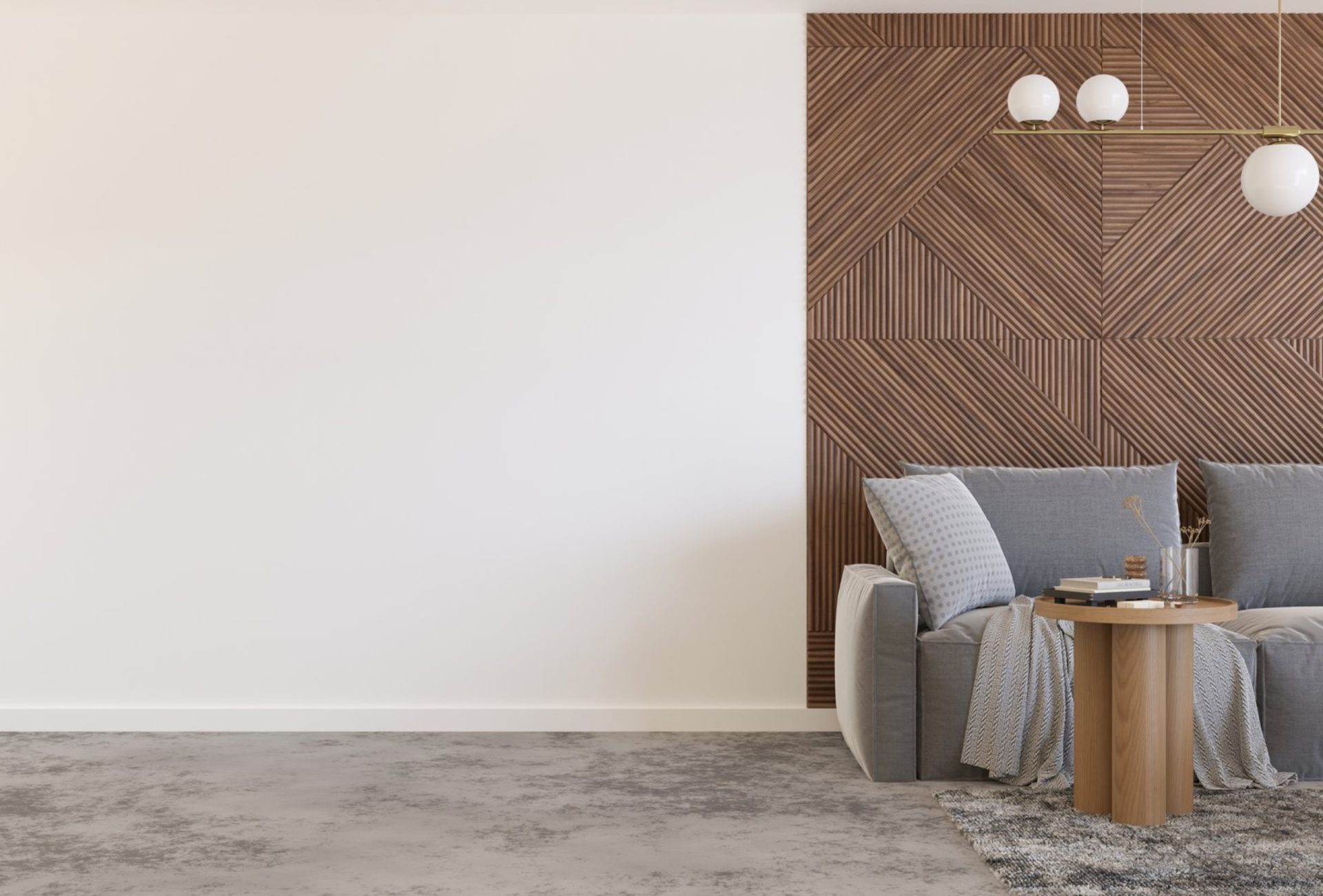
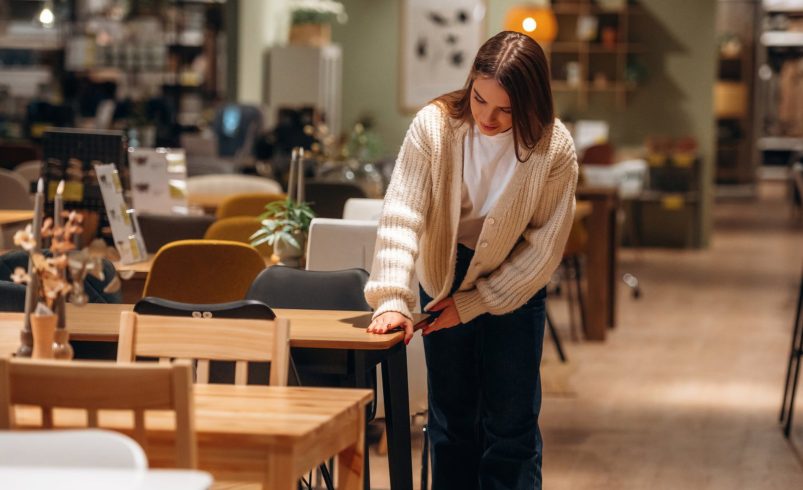

Refreshing your retail store interior doesn’t have to break the bank. Strategic painting, smart color choices, and careful planning can dramatically improve your store’s appearance, create a welcoming environment, and attract customers—all without overspending.
This guide provides practical tips for updating your retail space efficiently and affordably.
1. Plan Before You Paint
- Assess the Space: Identify high-traffic areas, walls showing wear, and outdated colors.
- Set a Budget: Determine how much you can allocate for paint, supplies, and labor.
- Prioritize: Focus on areas that impact first impressions—entrances, display walls, and checkout zones.
Chicagoland Paint Pro Tip: A clear plan reduces wasted paint, time, and effort, making your budget stretch further.
2. Choose Cost-Effective Paint Options
- High-Quality, Affordable Paints: Look for brands that balance durability and price.
- Neutral Bases: Light neutrals cover flaws, reduce coats needed, and work with a variety of accent colors.
- Accent Walls: Add impact with a bold wall instead of painting the entire store in expensive, high-end shades.
- Low VOC Options: Safe for employees and customers, often available at reasonable prices.
3. DIY Where Possible
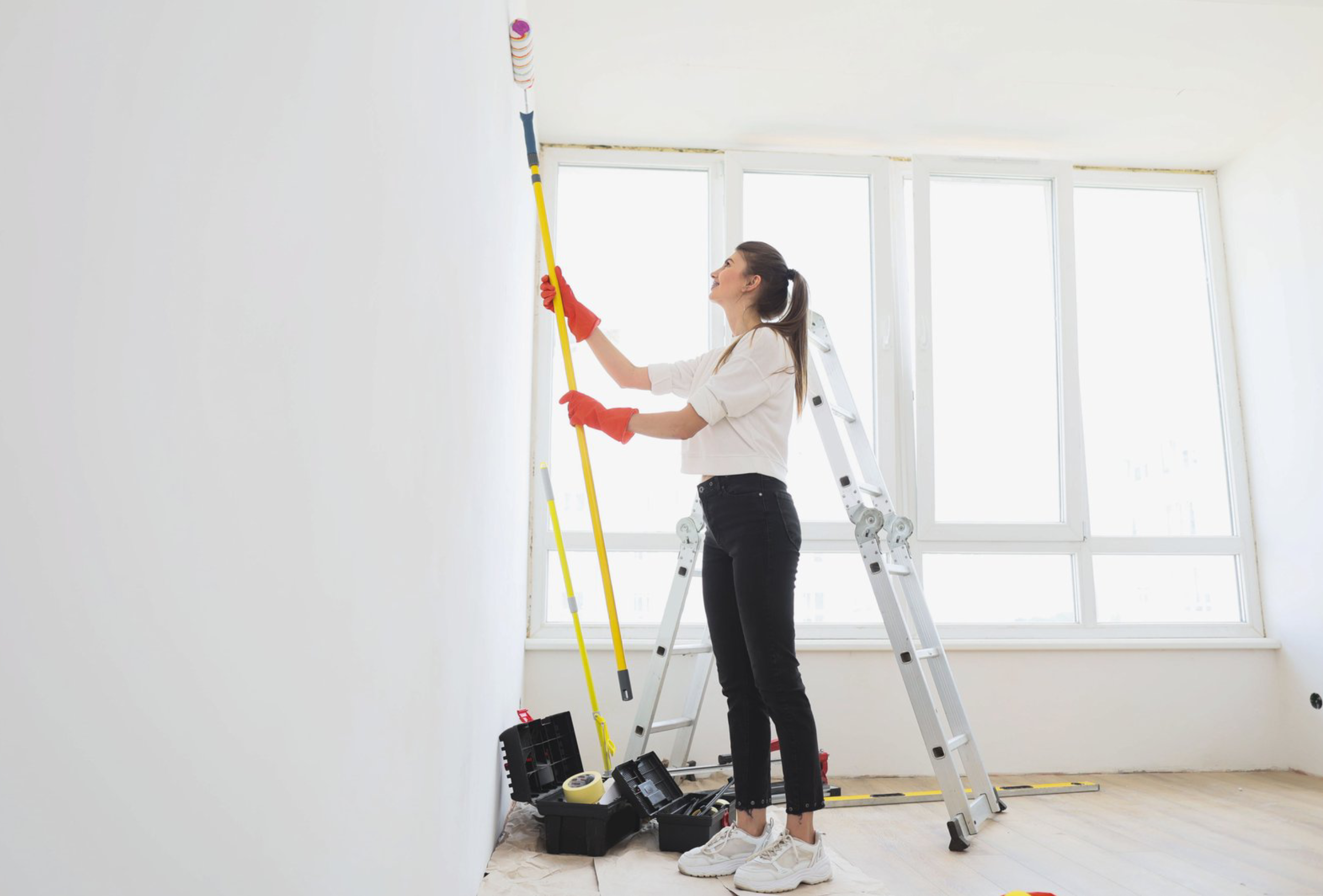
- Small Sections: Painting small accent areas or trim can be done in-house to save labor costs.
- Team Effort: Assign staff or volunteers to assist with prep, taping, and touch-ups.
- Tools Matter: Use quality rollers, brushes, and painter’s tape to avoid mistakes that lead to extra costs.
4. Focus on High-Impact Areas
- Entryway and Front Walls: The first impression counts; prioritize walls that greet customers.
- Product Displays: Use contrasting or vibrant colors to draw attention to featured products.
- Checkout Area: Keep this space clean and bright for a positive final impression.
- Faded or Damaged Surfaces: Cover areas showing wear to give a refreshed look without repainting the entire store.
5. Prep Work Saves Money
- Clean Surfaces: Remove dirt, grease, or dust to reduce paint usage and ensure smooth finishes.
- Repair Minor Damage: Patch holes, cracks, or peeling paint to avoid uneven results.
- Protect Fixtures and Flooring: Use drop cloths and tape; damage leads to costly repairs.
6. Use Color Strategically
- Neutrals for Longevity: Reduce the frequency of repainting by choosing timeless, versatile colors.
- Accent Colors for Branding: Incorporate brand colors sparingly to create memorable focal points.
- Contrast Wisely: Avoid clashing colors that may deter customers or overwhelm the space.
7. Time-Saving Tips
- Paint During Off-Hours: Reduces disruption to business and allows faster completion.
- Fast-Drying Paints: Minimize downtime and speed up multiple coats.
- Rollers for Large Areas: Efficiently cover walls, reserving brushes for trim and detailed work.
8. Common Mistakes to Avoid
- Skipping prep work, leading to uneven coverage
- Choosing trendy colors that quickly go out of style
- Over-painting the entire store unnecessarily
- Ignoring employee input or customer preferences
- Using low-quality brushes or rollers that cause streaks and wasted paint
9. Final Thoughts
Refreshing your retail store interior on a budget is achievable with planning, smart color selection, and efficient painting techniques. By prioritizing high-impact areas, using cost-effective paints, and leveraging DIY efforts where possible, you can create a modern, welcoming environment that attracts customers and boosts sales—all without overspending.
Small, strategic updates can have a big impact on your store’s appeal, giving your retail space a fresh look and professional feel while staying within budget constraints.