






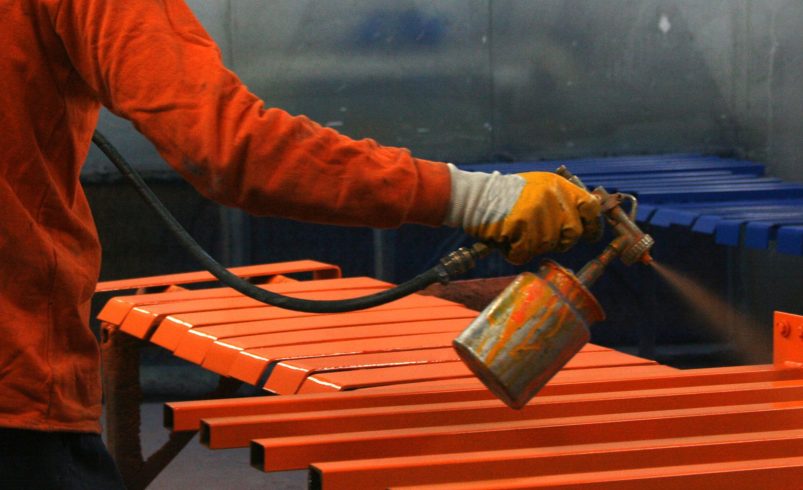

Industrial facilities, including factories, warehouses, and manufacturing plants, face unique challenges when it comes to painting. High-traffic equipment, heavy machinery, chemical exposure, and constant wear require specialized industrial painting solutions that ensure durability, safety, and long-term performance.
This guide explores the best industrial painting options for commercial facilities and practical tips to maintain a professional, safe, and functional environment.
1. Why Industrial Painting is Essential
- Protects Surfaces: Paint acts as a barrier against rust, corrosion, moisture, and chemical damage.
- Enhances Safety: Bright colors and clear markings improve visibility and designate safe pathways.
- Improves Facility Longevity: High-quality coatings extend the life of walls, floors, and machinery surfaces.
- Boosts Professional Appearance: Well-painted facilities reflect organization, maintenance, and brand professionalism.
Industrial painting is not just aesthetic—it is a critical component of facility maintenance and operational efficiency.
2. Key Areas for Industrial Painting
1. Factory Floors
- Heavy foot and machinery traffic require abrasion-resistant coatings.
- Epoxy-based or polyurethane floor paints are ideal for durability and chemical resistance.
2. Warehouse Walls
- Use high-durability latex or epoxy paints that withstand impact, scuffs, and repeated cleaning.
- Bright colors can help improve lighting and visibility, reducing workplace accidents.
3. Machinery and Equipment
- Protective paints prevent rust and corrosion on metal surfaces.
- Heat-resistant coatings may be required for industrial ovens, furnaces, or hot equipment.
4. Ceilings and Structural Components
- Specialized paints for steel beams, trusses, and high ceilings protect against corrosion and dust buildup.
- Lighter colors can enhance light reflection, improving overall workspace illumination.
3. Choosing the Right Industrial Paints
1. Epoxy-Based Coatings
- Extremely durable and resistant to chemical spills.
- Ideal for floors, machinery, and high-wear walls.
2. Polyurethane Paints
- Provides excellent UV protection for outdoor industrial structures.
- Resists scratches, abrasion, and fading over time.
3. Anti-Corrosive Primers
- Essential for metal surfaces exposed to moisture or harsh chemicals.
- Extends the lifespan of structural components and machinery.
4. High-Visibility Safety Paints
- Used for floor markings, hazard zones, and safety instructions.
- Enhances employee safety and compliance with workplace regulations.
4. Surface Preparation for Industrial Painting
- Clean Thoroughly: Remove oil, grease, dust, and rust before painting.
- Repair Damage: Patch cracks, holes, and surface imperfections to prevent paint failure.
- Prime Surfaces: Use primers suitable for metal, concrete, or masonry for maximum adhesion.
- Apply Multiple Coats: Thin, consistent layers ensure durability and a professional finish.
5. Maintenance Tips for Industrial Paint
- Regular Cleaning: Keep surfaces free from chemical spills and dust buildup.
- Touch-Up Paints: Maintain leftover industrial paints for quick fixes on worn areas.
- Periodic Inspection: Check for cracks, peeling, or corrosion to address issues promptly.
- Protective Measures: Use corner guards, bumpers, or mats to protect high-traffic zones.
6. Common Mistakes to Avoid
- Using residential-grade paints in industrial environments
- Skipping surface preparation or primer application
- Ignoring safety and chemical-resistant requirements
- Overlooking proper ventilation during application
- Failing to coordinate paint types for different surfaces and areas
7. Final Thoughts
Industrial painting is a strategic investment for factories and warehouses. By using durable, chemical-resistant coatings and applying them with proper preparation and techniques, facility managers can enhance safety, extend asset life, and maintain a professional appearance.
A well-executed industrial painting plan reduces maintenance costs, prevents damage, and creates a safer, more efficient working environment.