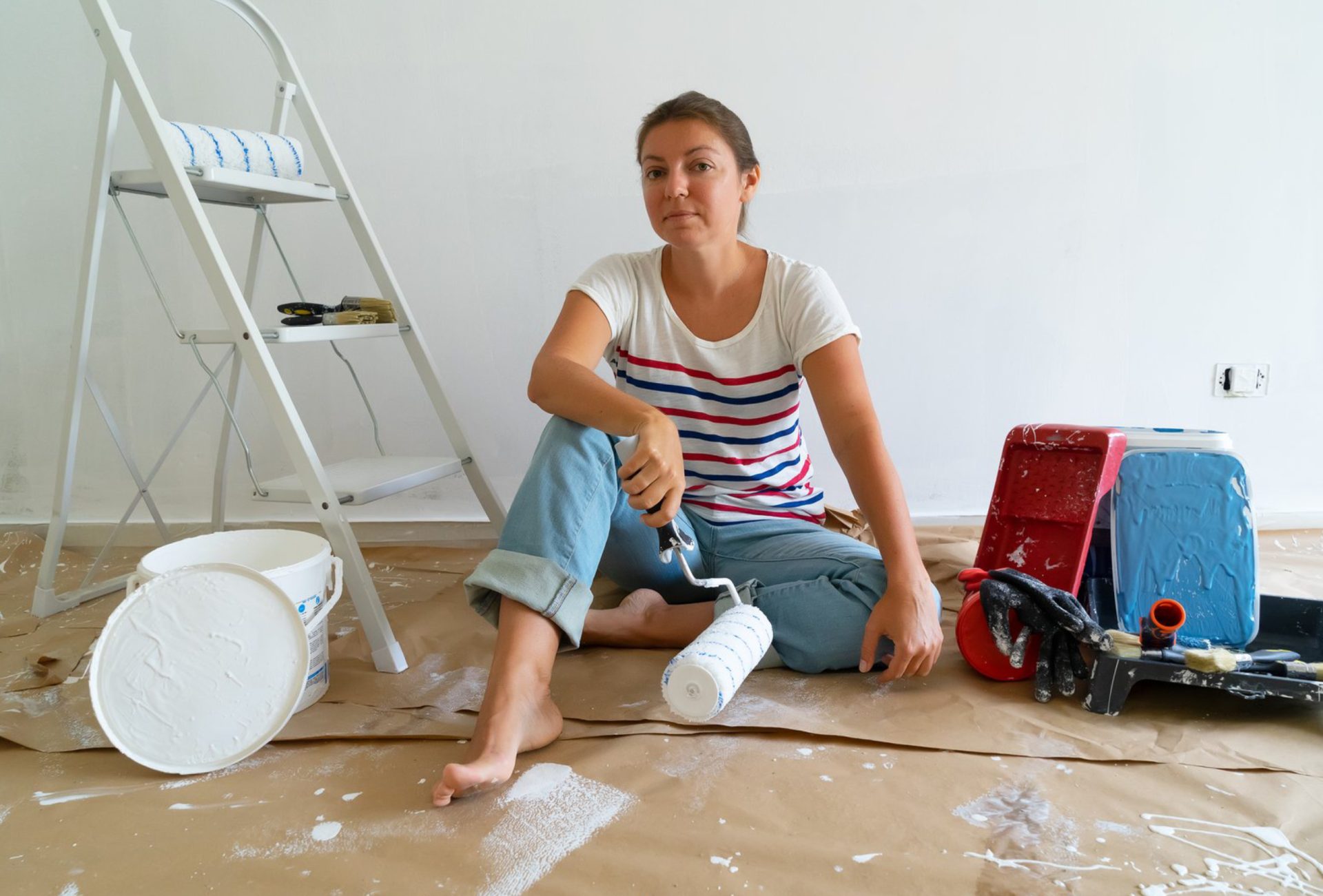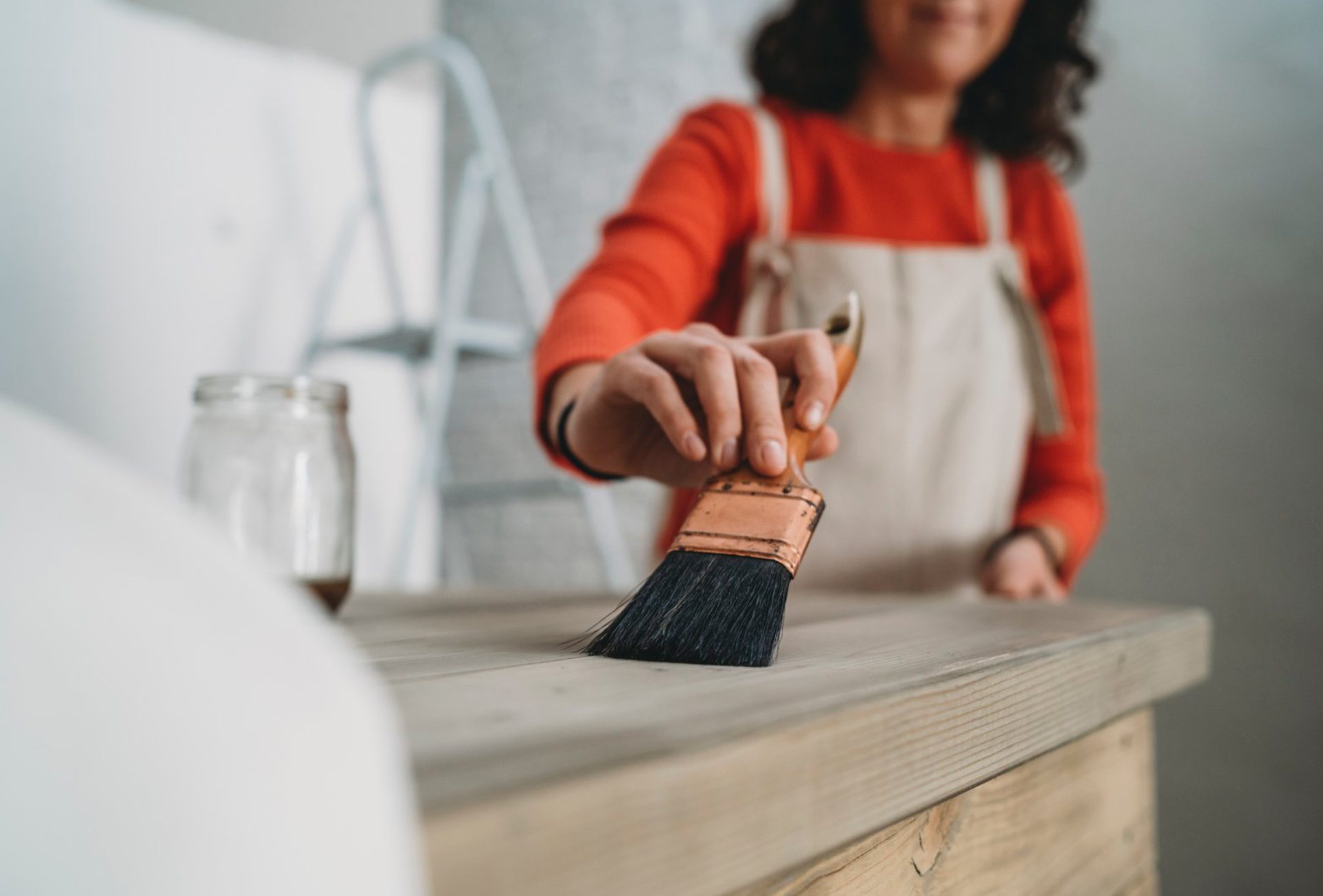

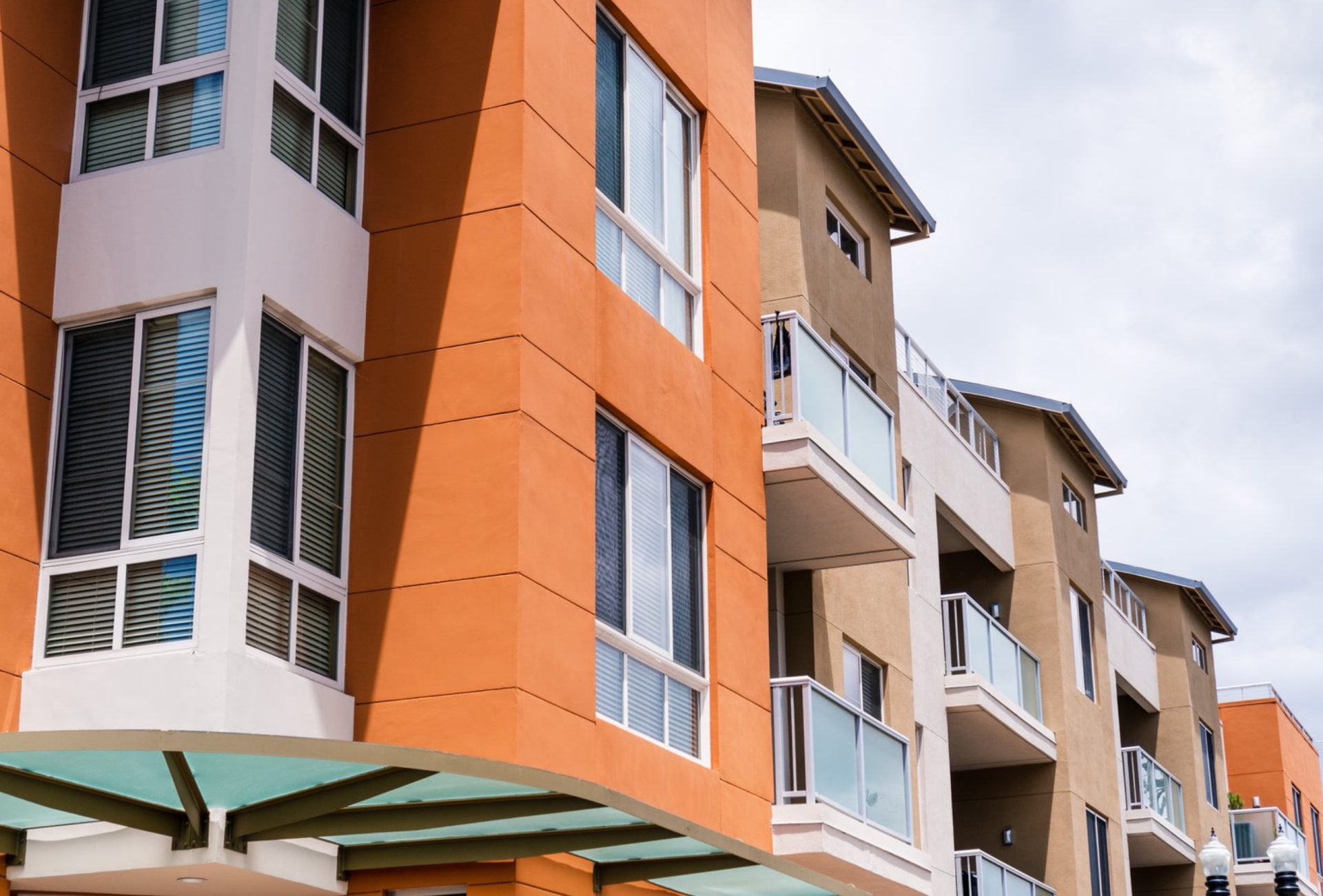
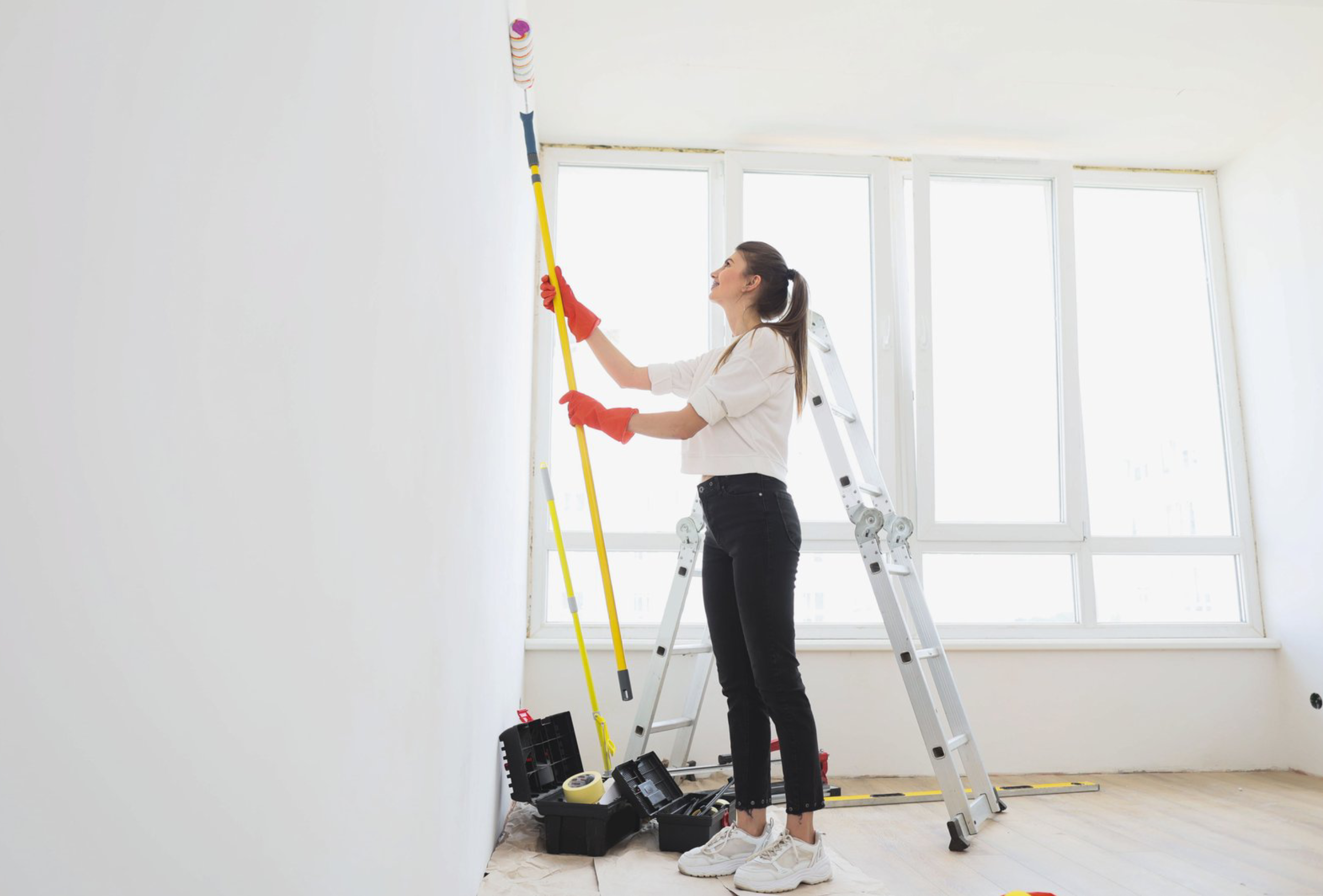
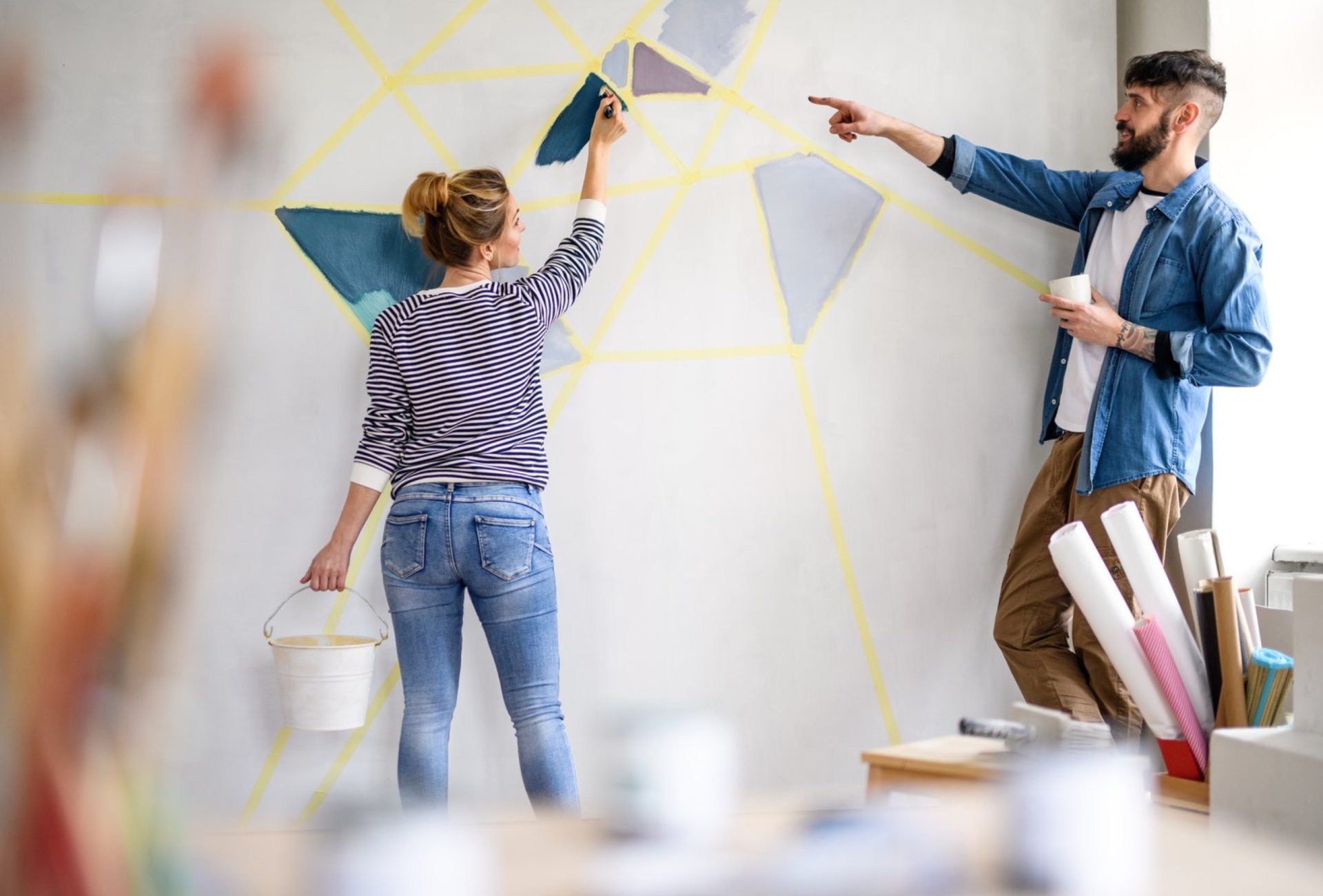

A poorly executed paint job can quickly undo the aesthetic appeal of your home. Interior and exterior painting requires attention to detail, proper technique, and the right tools. Certain mistakes are common but can dramatically reduce the quality, longevity, and visual appeal of a paint job. This guide highlights key mistakes to avoid so your project looks professional and lasts for years.
1. Inadequate Surface Preparation
Failing to prep walls, trim, or exterior siding is the most common mistake. Dust, grease, peeling paint, and rough surfaces prevent proper adhesion.
Solution:
- Clean and wash surfaces thoroughly.
- Sand rough spots and scrape off loose paint.
- Fill cracks or holes with putty or spackle.
- Prime bare or repaired surfaces before painting.
2. Using the Wrong Paint Type or Finish
Applying interior paint outdoors or using low-quality exterior paint can lead to peeling, fading, or cracking. Similarly, high-gloss finishes on rough walls highlight imperfections.
Solution:
- Match paint to the surface and environment.
- Use weather-resistant paints for exteriors.
- Select the appropriate finish: matte for smooth walls, satin/semi-gloss for trim and high-traffic areas.
3. Painting in Poor Weather Conditions
Exterior painting in extreme heat, cold, wind, or high humidity can affect drying, adhesion, and texture. Interior painting in high humidity or poorly ventilated rooms can cause bubbles and slow drying.
Solution:
- For exterior projects, paint when temperatures are 50–85°F (10–29°C) and humidity is low.
- For interior projects, ensure proper ventilation and avoid painting in overly humid conditions.
4. Skipping Primer
Primer is essential for adhesion, especially on bare wood, patched walls, or drastic color changes. Skipping primer leads to uneven coverage, peeling, and short-lived paint.
Solution:
- Always prime bare surfaces, repaired areas, or when switching from dark to light colors.
- Use primer compatible with your topcoat paint.
5. Overloading Brushes and Rollers
Too much paint on a brush or roller causes drips, runs, streaks, and uneven texture.
Solution:
- Apply thin, even coats.
- Load your tools lightly and remove excess paint before applying.
- Use multiple coats for full coverage rather than one thick coat.
6. Ignoring Edges and Trim
Messy edges, uneven trim, or paint on unintended surfaces reduce the overall quality of a paint job.
Solution:
- Use angled brushes for cutting in along edges.
- Mask floors, trim, and adjacent surfaces with painter’s tape.
- Take your time around detailed areas for clean lines.
7. Rushing Between Coats
Applying the next coat before the previous one is fully dry leads to bubbling, streaking, or peeling.
Solution:
- Follow manufacturer drying times for each coat.
- Ensure proper airflow and ventilation.
- Be patient; a slower approach yields a more durable finish.
8. Poor Tool Selection
Using the wrong brushes, rollers, or sprayers can leave streaks, inconsistent coverage, or rough textures.
Solution:
- Choose brushes and rollers suited for your paint type and surface texture.
- Consider sprayers for large surfaces or textured exteriors.
- Invest in quality tools for smoother application and better results.
9. Ignoring Maintenance Needs
Even a great paint job can deteriorate if surfaces aren’t maintained. Dirt, mildew, and weather can damage both interior and exterior paint.
Solution:
- Clean painted surfaces periodically.
- Touch up chips or scratches promptly.
- For exteriors, inspect siding, trim, and decks seasonally for signs of wear.
10. Poor Color Planning
Choosing the wrong colors or not testing shades under different lighting conditions can result in a disappointing appearance.
Solution:
- Test paint samples in multiple areas and lighting conditions.
- Consider complementary colors for trim, ceilings, and accent walls.
- Take exterior lighting, shadows, and surrounding environment into account.
Conclusion
A flawless paint job requires proper preparation, the right materials, and careful attention to detail. Avoiding common mistakes like inadequate surface prep, skipping primer, painting in poor conditions, and rushing coats ensures that both interior and exterior projects look professional and last longer. With the right approach, even DIY painters can achieve stunning, durable results that enhance the beauty and value of a home.