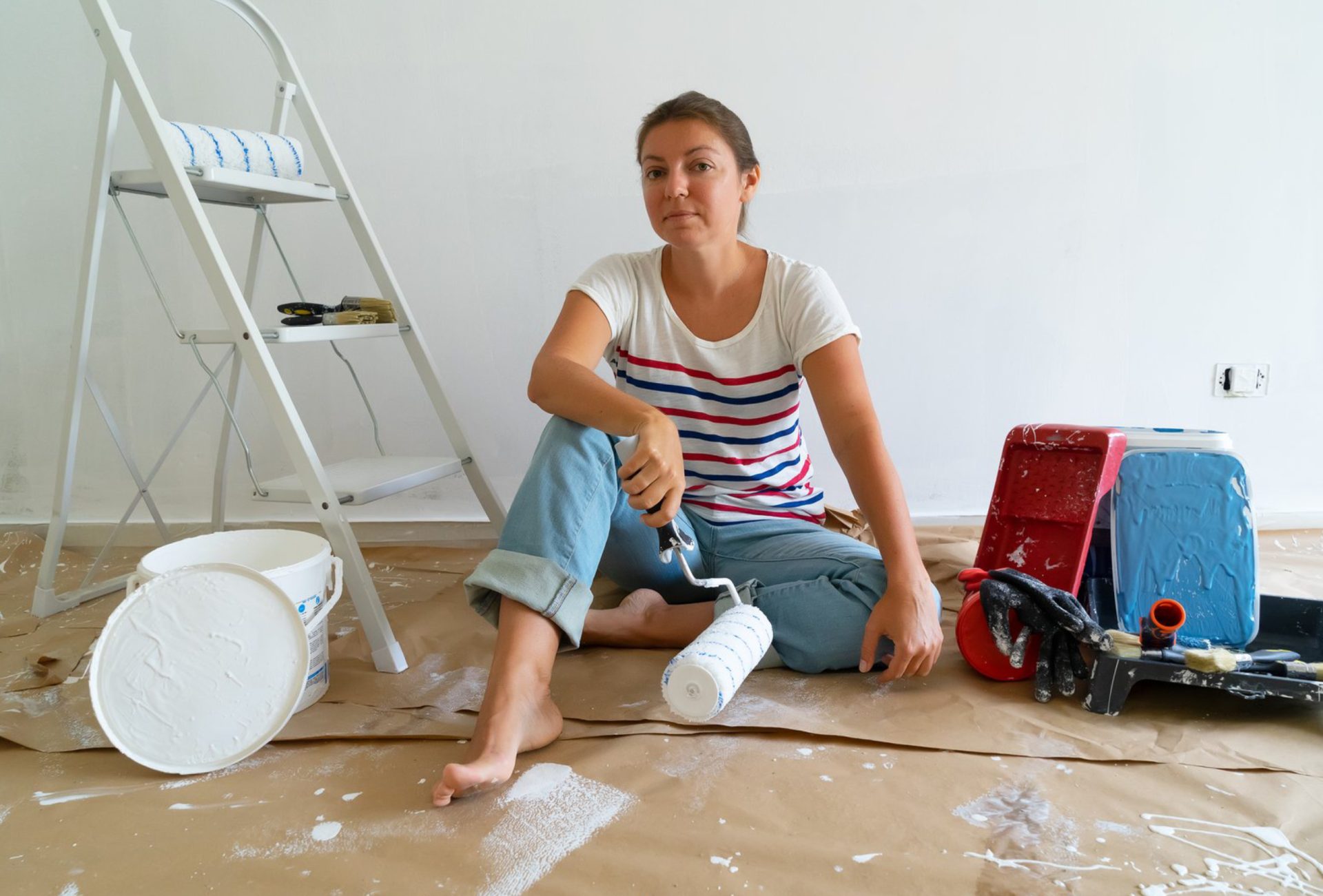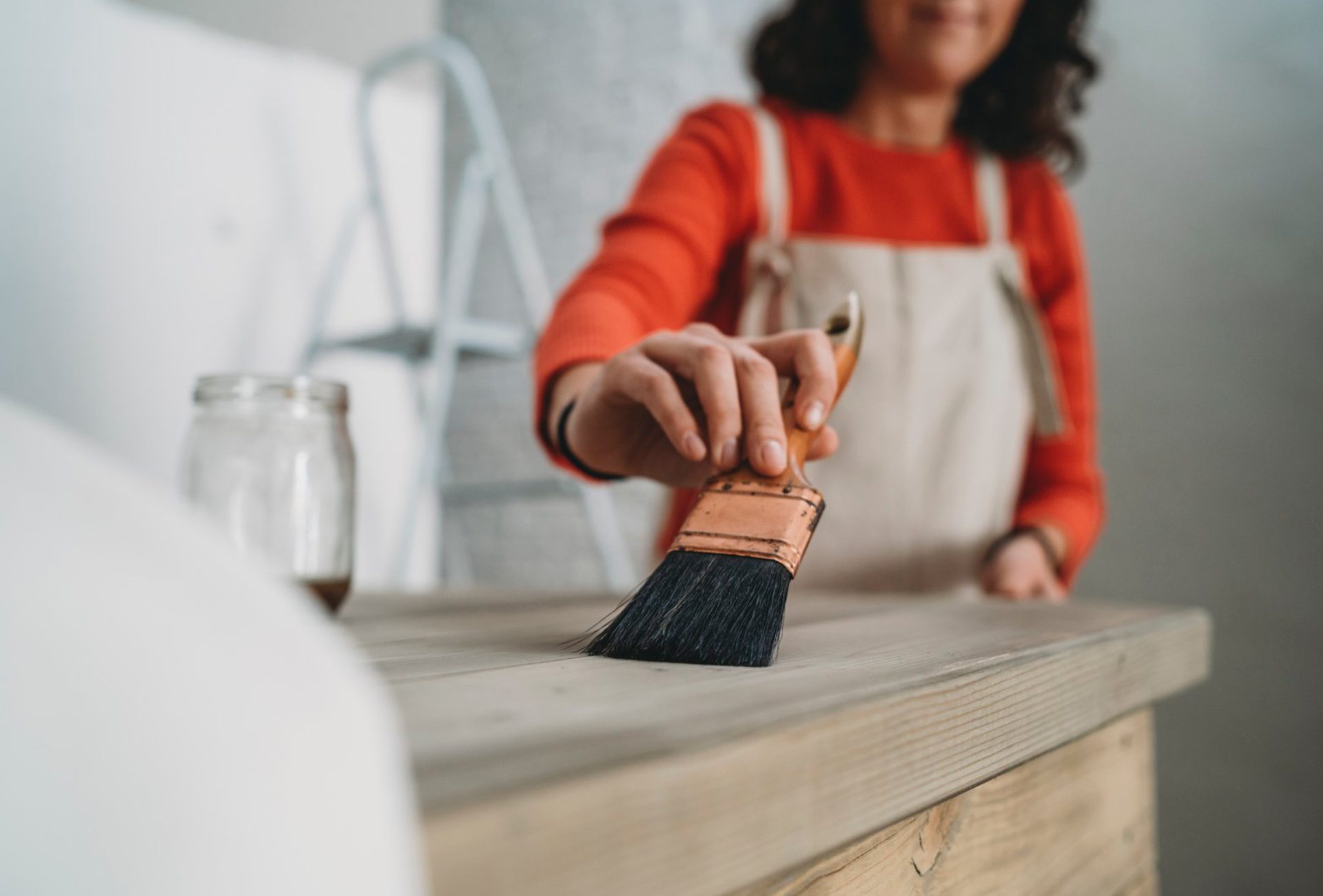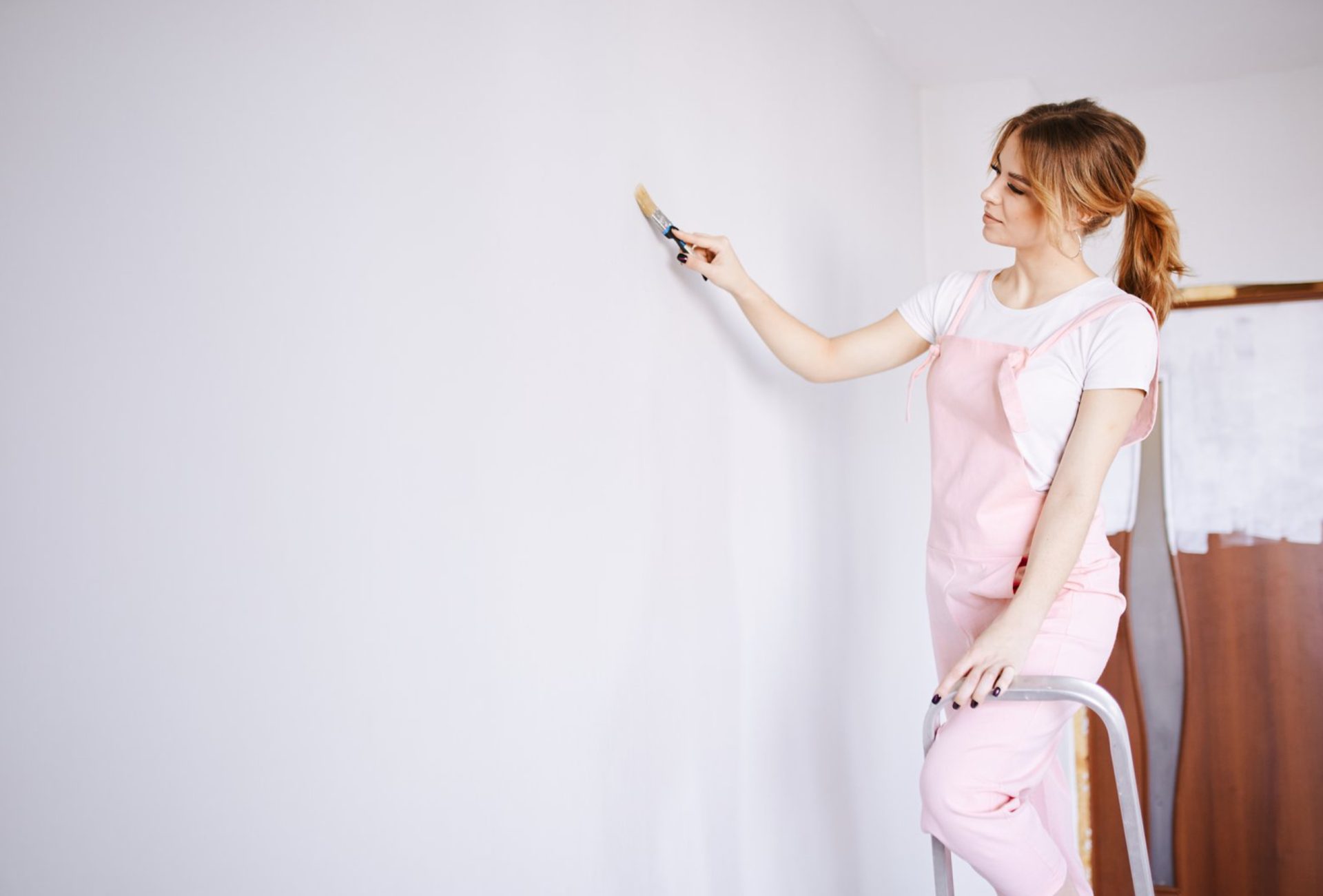


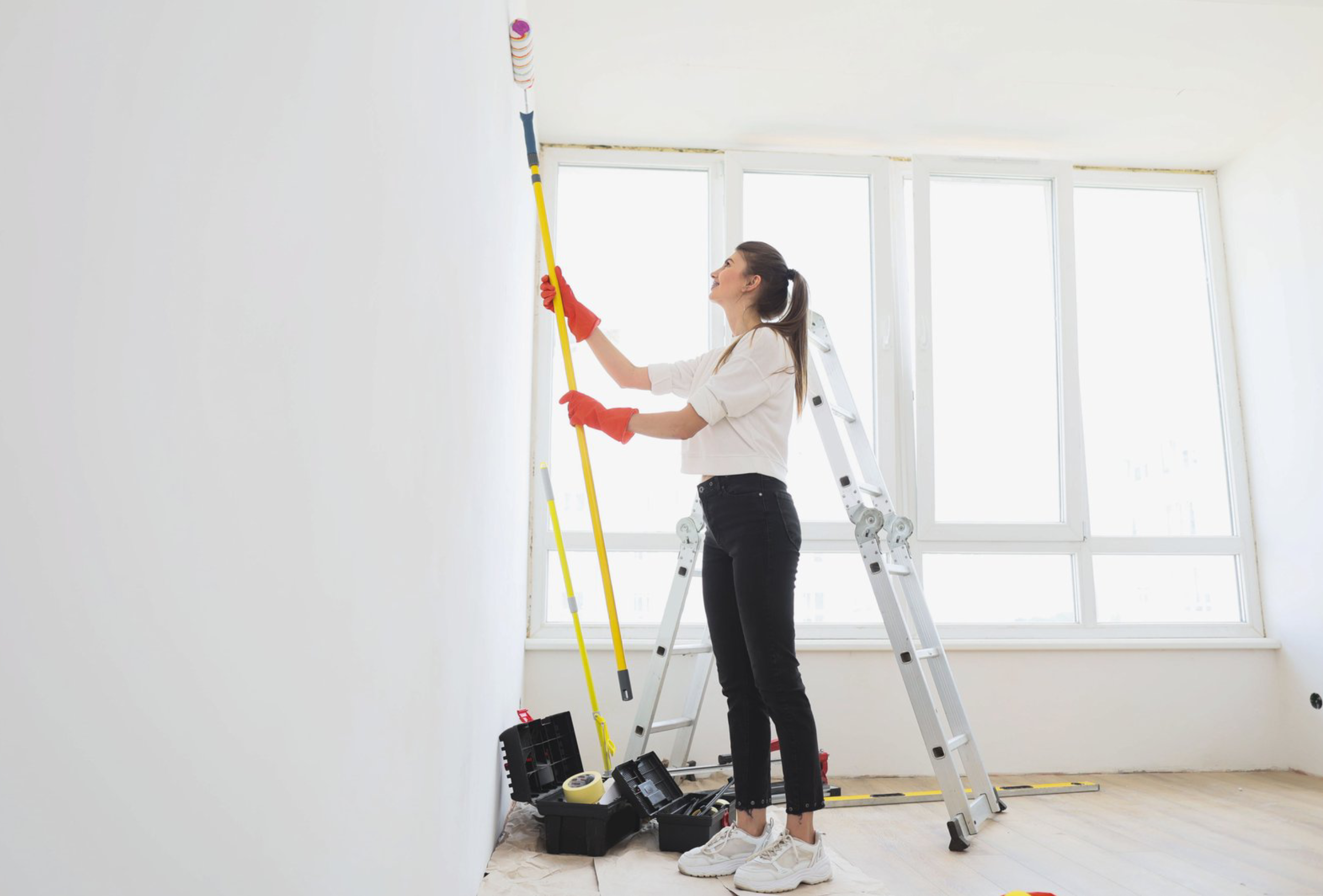



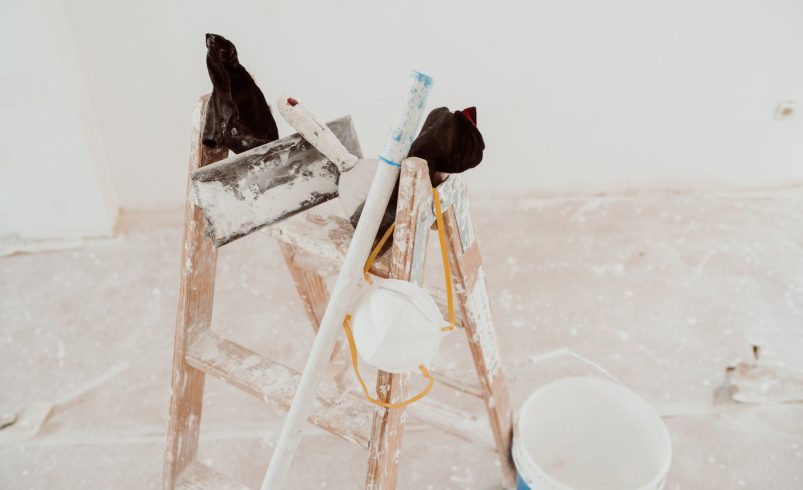

Using ladders and paint tools is a common part of DIY and professional painting projects, but it comes with risks. Falls, slips, and tool-related injuries can cause serious harm if proper precautions aren’t followed. By understanding safety measures and following best practices, you can prevent accidents and complete your project efficiently.
1. Inspect Ladders Before Use
Before climbing a ladder, check its condition carefully:
Tips:
- Look for cracks, bent rungs, or loose screws.
- Ensure rubber feet or anti-slip pads are intact.
- Make sure the ladder is the right height for your task—never stand on the top rung.
Pro Tip: A ladder in poor condition is a major hazard. Replace or repair damaged ladders before starting work.
2. Set Up Ladders Properly
Correct setup is essential for stability:
Guidelines:
- Place ladders on flat, solid surfaces—avoid uneven ground.
- Use ladder levelers if outdoors on sloped terrain.
- Keep the base one foot away from the wall for every four feet of ladder height (4:1 rule).
Pro Tip: Secure the ladder at the top or bottom if possible to prevent slipping.
3. Maintain Three Points of Contact
When climbing or working on a ladder:
Tips:
- Always keep two hands and one foot, or two feet and one hand, in contact with the ladder.
- Avoid reaching or leaning too far—move the ladder instead.
- Wear shoes with good grip to prevent slipping.
Pro Tip: Never carry heavy or bulky items while climbing—use a tool belt or hoist items separately.
4. Use Tools Safely
Paint brushes, rollers, sprayers, and power tools can be dangerous if not handled properly:
Guidelines:
- Inspect tools for damage before use.
- Follow manufacturer instructions for sprayers, sanders, and drills.
- Keep cords away from water, ladders, and walkways.
- Store sharp or hazardous tools safely when not in use.
Pro Tip: A tool left on a ladder step or platform can easily fall—always secure tools when climbing.
5. Avoid Overreaching and Overloading
Overextending or carrying too much can lead to accidents:
Tips:
- Move the ladder closer instead of stretching.
- Don’t place heavy paint cans or tools on the ladder platform unless it’s rated for that weight.
- Be mindful of the ladder’s weight capacity and never exceed it.
Pro Tip: Distribute weight evenly and keep your center of gravity aligned with the ladder’s center.
6. Work With a Partner When Possible
Having a helper improves safety:
Benefits:
- Someone can hold the ladder steady.
- They can hand you tools and materials safely.
- They provide assistance in case of emergencies.
Pro Tip: Even a quick painting task is safer with a second person, especially for taller ladders or outdoor projects.
7. Keep the Area Organized
A cluttered workspace increases the risk of trips and falls:
Tips:
- Keep paint cans, brushes, and other tools away from ladder bases.
- Remove obstacles and debris from walkways.
- Use drop cloths to catch spills and protect surfaces.
Pro Tip: A tidy workspace not only reduces accidents but also speeds up the painting process.
8. Take Breaks and Stay Alert
Fatigue can lead to mistakes:
Guidelines:
- Take short breaks to rest hands, back, and legs.
- Stay hydrated, especially when working outdoors.
- Avoid painting when tired, dizzy, or under the influence of medication or alcohol.
Pro Tip: Being alert prevents accidents more effectively than rushing through the job.
Conclusion
Preventing accidents while using ladders and paint tools is all about preparation, proper technique, and awareness. Inspecting ladders, maintaining three points of contact, using tools safely, avoiding overreaching, working with a partner, keeping your workspace organized, and staying alert are key practices that protect you from injuries. By following these safety measures, you can focus on your painting project with confidence, efficiency, and peace of mind, achieving professional results without compromising your well-being.