



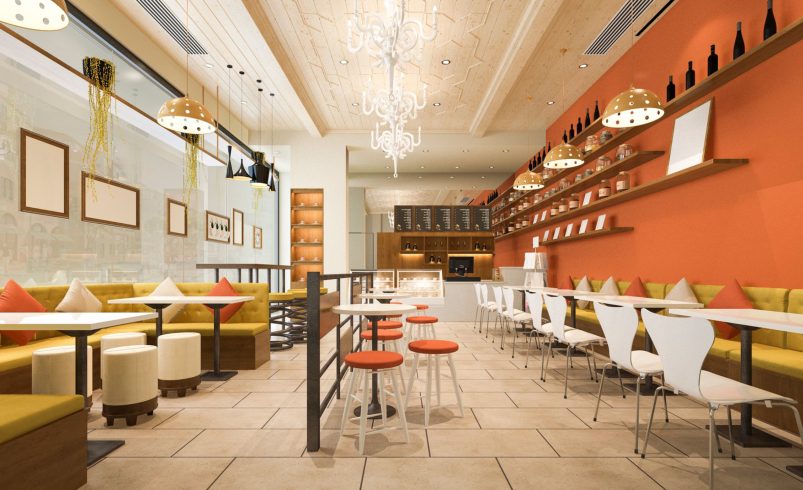

A restaurant’s interior sets the tone for the dining experience. Beyond décor and furniture, the colors on your walls play a major role in creating a welcoming, comfortable atmosphere for guests. Thoughtful painting can encourage diners to linger, enjoy their meals, and return for future visits.
This guide provides practical tips for painting restaurant interiors to maximize comfort, style, and ambiance.
1. Consider the Psychology of Color
- Warm Colors: Reds, oranges, and yellows stimulate appetite and create a lively, energetic environment.
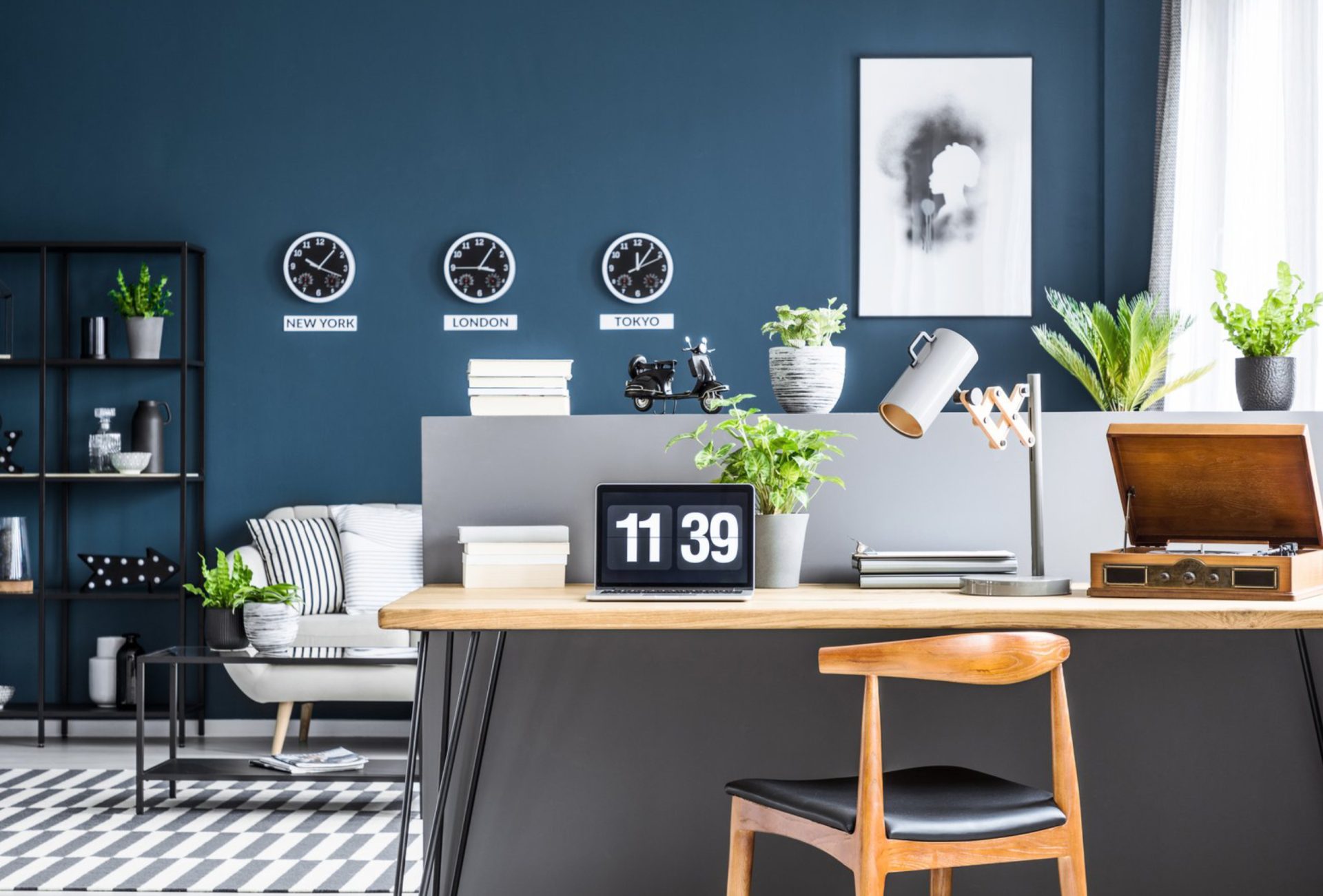
- Cool Colors: Blues, greens, and muted tones provide a calming effect, ideal for casual or fine dining spaces.
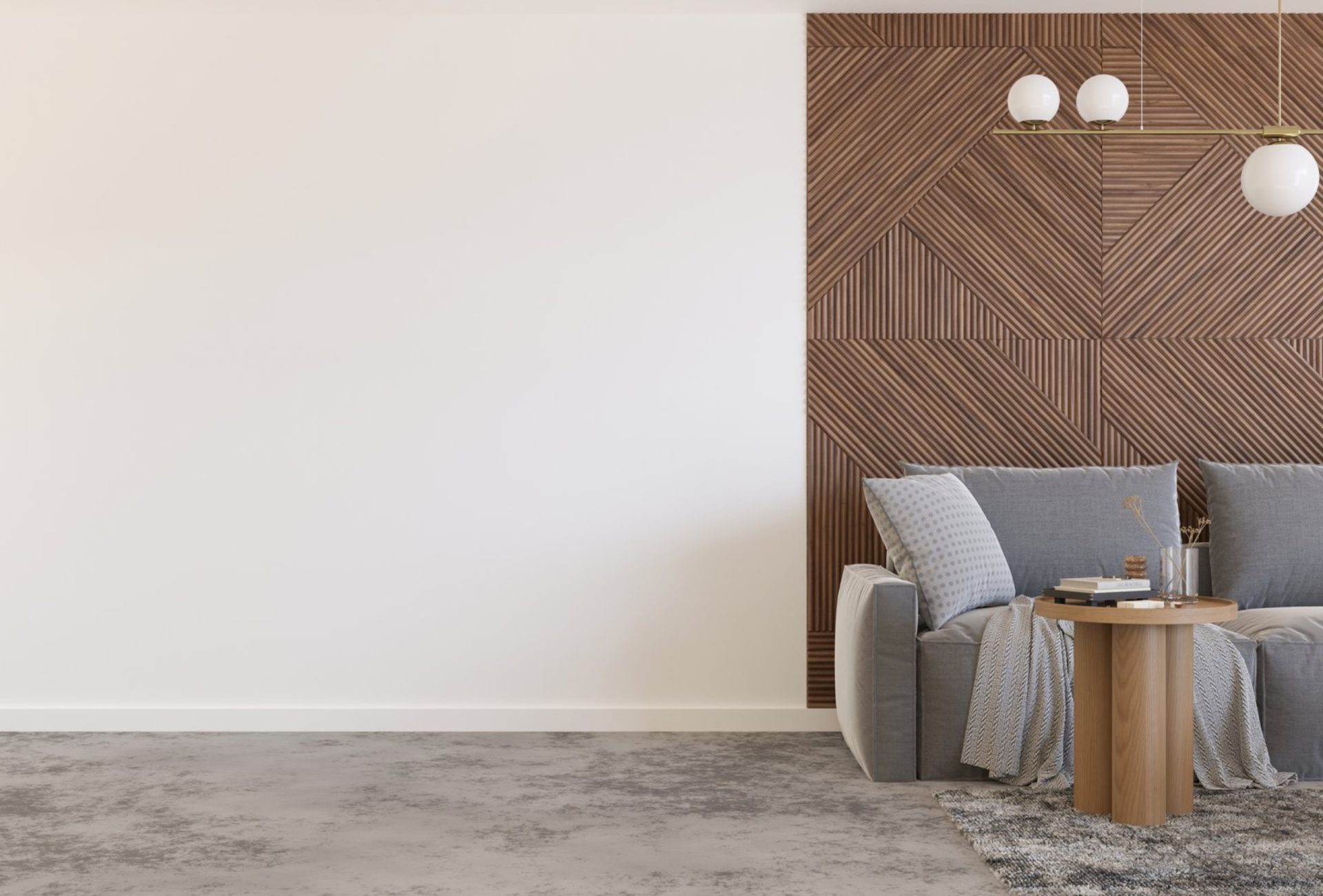
- Neutral Colors: White, beige, and gray act as versatile backdrops for décor, artwork, and furniture.
Chicagoland Paint Pro Tip: Choose colors that complement the cuisine type and dining experience you want to create.
2. Use Accent Walls Strategically
- Highlight Key Areas: Accent walls can focus attention on dining zones, bar areas, or private rooms.
- Create Visual Interest: Use bold colors sparingly to avoid overwhelming diners.
- Brand Alignment: Incorporate signature colors to reinforce brand identity subtly.
3. Coordinate With Lighting and Décor
- Natural Light: Light colors reflect daylight, making spaces feel airy and inviting.
- Artificial Light: Warm lighting pairs well with warm-toned walls, while cooler lighting complements neutral or blue hues.
- Décor Harmony: Match wall colors with furniture, flooring, and art to create a cohesive design.
4. Choose Durable Paints for High-Traffic Areas
- Washable and Stain-Resistant: Restaurants experience spills and heavy use; select paints that withstand cleaning.
- Finish Selection:
- Eggshell or Satin: Easy to clean, subtle sheen, perfect for dining walls.
- Semi-Gloss: Ideal for trims, doors, and kitchen-adjacent areas.
- Low VOC Paints: Ensure indoor air quality for diners and staff.
5. Enhance Ambiance Through Color
- Dining Experience:
- Vibrant colors energize casual dining spots.
- Softer, muted colors suit upscale or intimate restaurants.
- Customer Comfort: Avoid overly bright or harsh colors that may cause visual fatigue.
- Flow Between Spaces: Use complementary colors in entryways, dining areas, and private rooms for continuity.
6. Prep Work and Professional Techniques
- Surface Cleaning: Remove grease, dust, and old paint to ensure proper adhesion.
- Repair Damage: Patch cracks, holes, or water stains before painting.
- Priming: Essential for newly installed drywall or areas with dark previous colors.
- Professional Finish: Smooth, even application enhances the perceived quality of your restaurant.
7. Common Mistakes to Avoid
- Choosing colors that clash with lighting or décor
- Using low-quality paints that stain or peel easily
- Overusing bold colors, creating an overwhelming environment
- Neglecting prep work, leading to uneven finishes
- Ignoring brand identity and restaurant style
8. Final Thoughts
Restaurant interior painting is a key factor in shaping customer experiences. By combining the right colors, durable paints, and strategic accent walls, restaurants can create welcoming, visually appealing spaces that complement the cuisine and atmosphere.
A professionally painted interior enhances the dining environment, communicates quality, and encourages repeat visits, making it a crucial investment for any restaurant owner.