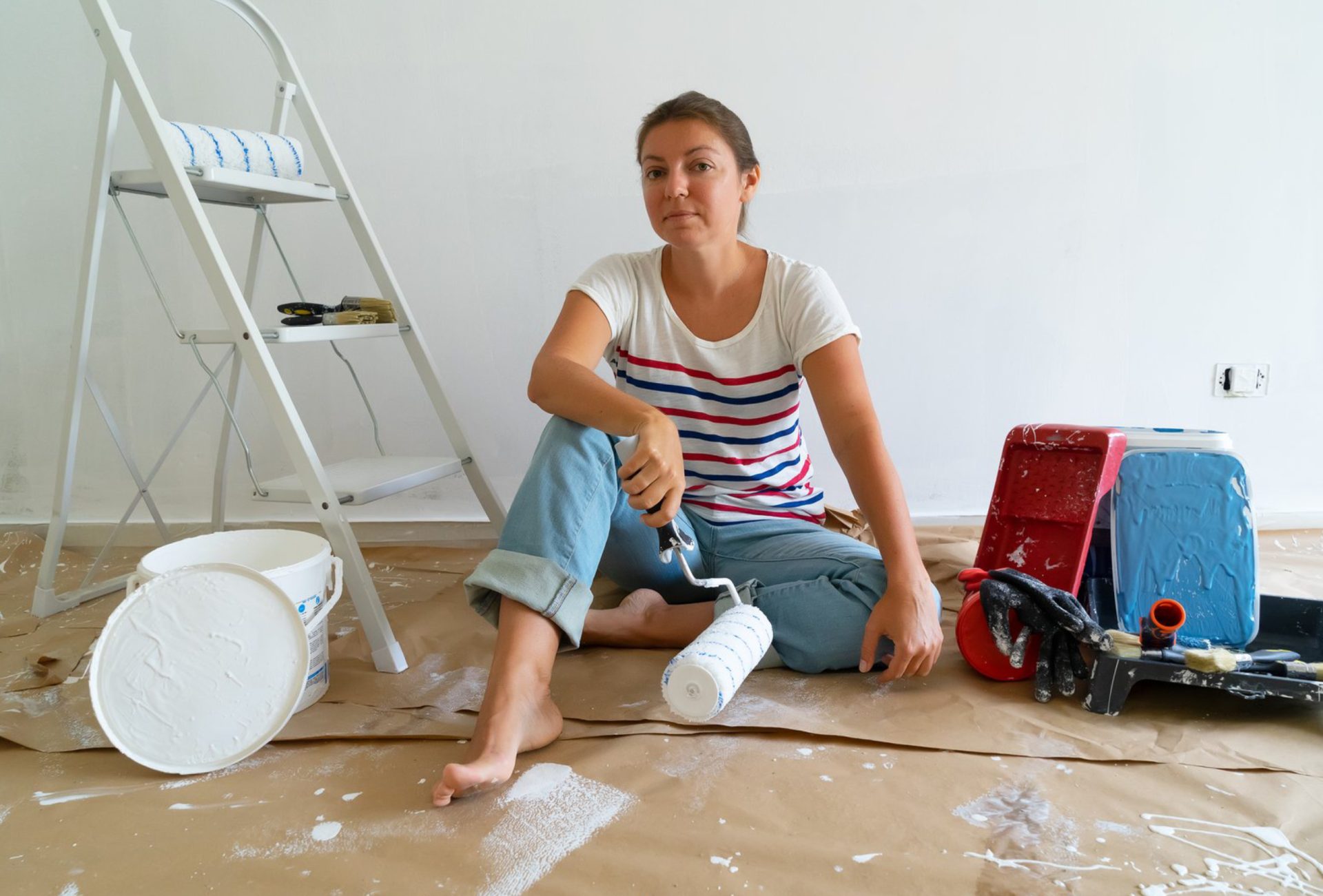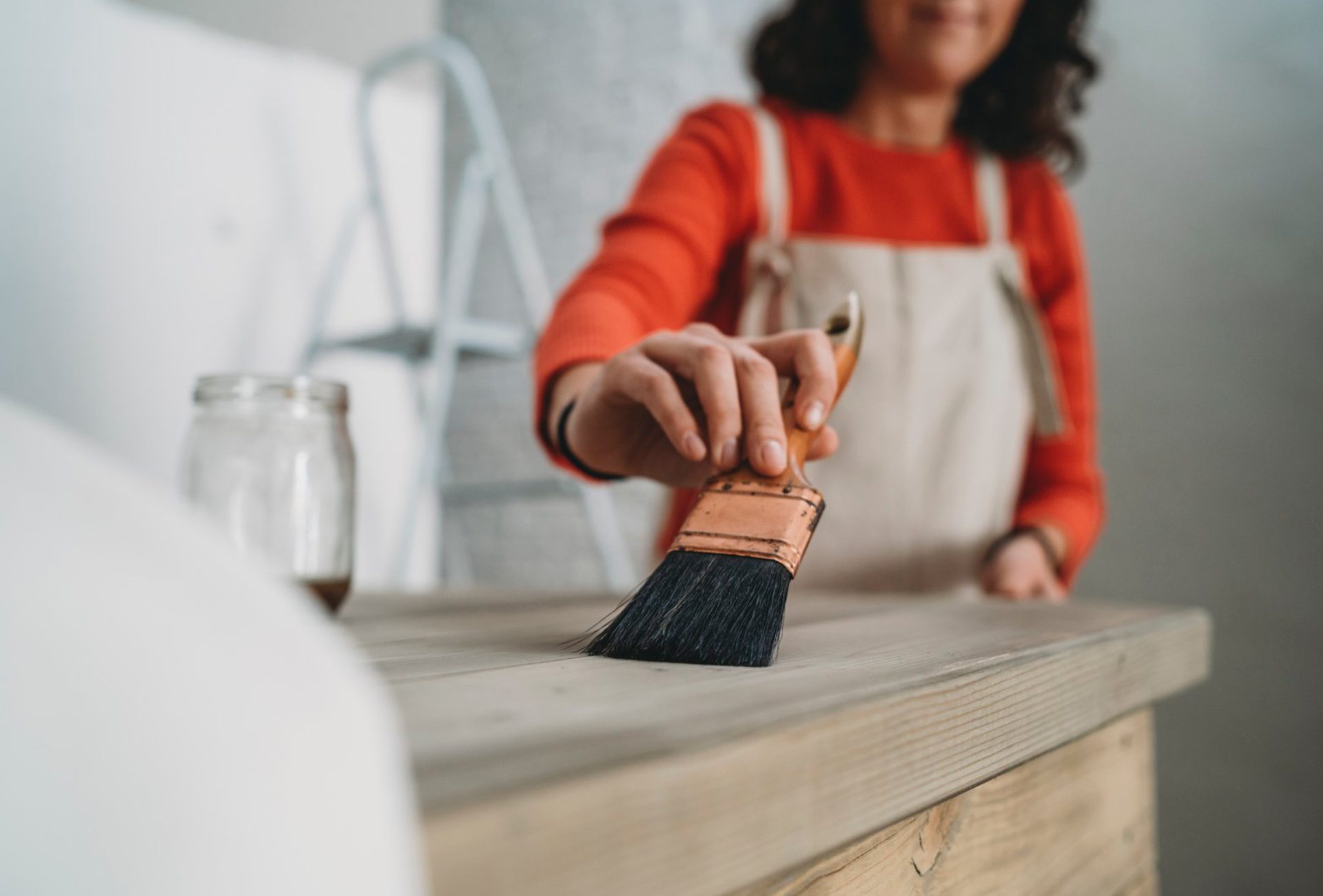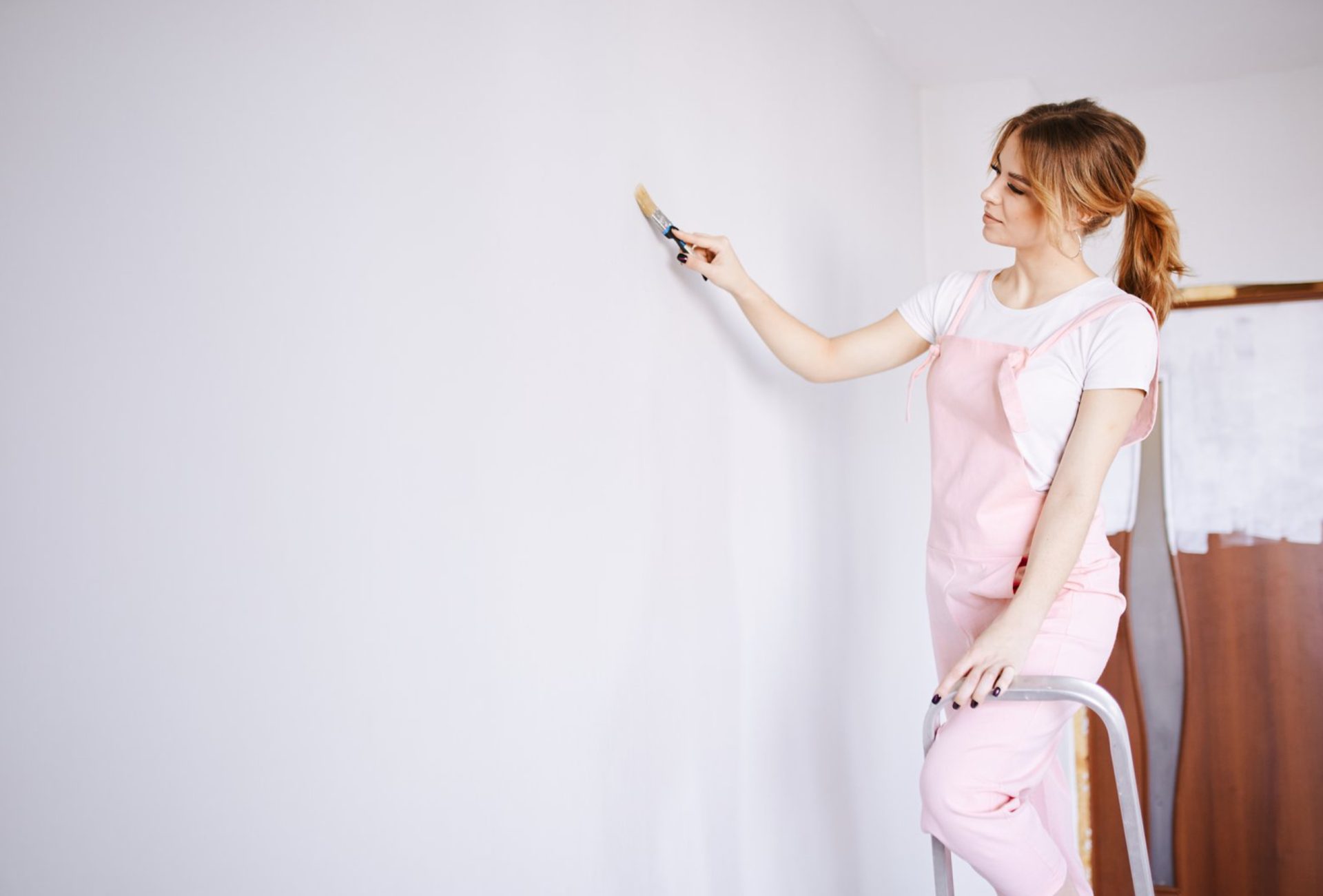








Achieving even paint coverage is the hallmark of a professional-looking finish. Uneven layers, streaks, or blotches can make even the most carefully chosen color look amateurish. Whether you’re painting walls, trim, or exteriors, following the right techniques ensures consistent, smooth, and long-lasting results.
1. Start with Proper Surface Preparation
Even coverage begins before paint touches the surface. Clean, smooth, and primed surfaces allow paint to adhere evenly.
Tips:
- Clean walls to remove dirt, grease, and dust.
- Fill cracks, holes, and imperfections.
- Sand rough areas for a uniform surface.
- Apply primer where necessary to prevent uneven absorption.
Benefit: A well-prepped surface ensures that each coat spreads evenly and prevents patchiness.
2. Use the Right Tools
Choosing quality brushes, rollers, and sprayers affects coverage.
Brush Tips:
- Use the correct brush for paint type: synthetic for latex, natural for oil-based.
- Paint in long, even strokes, feathering edges to blend.
Roller Tips:
- Select appropriate nap length for the wall texture.
- Roll in a “W” or “M” pattern, then fill in to avoid streaks.
- Avoid pressing too hard—let the roller do the work.
Sprayer Tips:
- Keep consistent distance from the surface.
- Overlap passes slightly for uniform coverage.
- Use smooth, controlled movements to avoid drips.
3. Apply Thin, Even Coats
Thick coats may seem faster but lead to drips, uneven drying, and streaks.
Steps:
- Apply two to three thin coats rather than one thick coat.
- Maintain a wet edge to prevent lap marks.
- Allow each coat to dry fully before applying the next.
Pro Tip: Using a paint extender or conditioner for latex paint helps achieve smooth, even coverage.
4. Blend Edges and Overlaps
Blending is essential to avoid streaks or lines where one coat ends and another begins.
Tips:
- Feather the edges of each painted section while the paint is wet.
- Overlap roller or brush strokes slightly for a seamless transition.
- Avoid going back over drying paint, which can leave marks.
Benefit: Proper blending ensures a smooth, consistent finish with no visible seams.
5. Control Environmental Factors
Temperature, humidity, and lighting impact paint coverage.
Tips:
- Avoid painting in extreme heat, cold, or high humidity.
- Ensure walls or exterior surfaces are dry before painting.
- Use proper lighting indoors to identify uneven spots early.
Pro Tip: Work in sections small enough to maintain a wet edge and prevent lap marks.
6. Keep a Consistent Technique
Consistency is key to even coverage:
Brush and Roller Techniques:
- Maintain uniform pressure.
- Use the same direction for strokes or rolls.
- Reload brushes or rollers evenly without overloading.
Sprayer Techniques:
- Move at a steady pace.
- Keep the sprayer perpendicular to the surface.
- Overlap passes consistently for uniform thickness.
7. Inspect and Touch Up as You Go
Regular inspection ensures no areas are missed:
Steps:
- Step back frequently to spot streaks or thin spots.
- Lightly touch up areas while paint is still wet to blend seamlessly.
- Check corners, edges, and high-traffic areas for even coverage.
Pro Tip: Minor touch-ups during application are easier than fixing dried streaks later.
8. Let Paint Dry Properly Between Coats
Even the best techniques fail if paint isn’t allowed to dry properly:
Tips:
- Follow manufacturer-recommended drying times.
- Avoid rushing multiple coats.
- Ensure ventilation for indoor projects.
Benefit: Proper drying prevents streaks, bubbles, and uneven sheen.
Conclusion
Even paint coverage is a combination of preparation, technique, and patience. Clean and primed surfaces, the right tools, thin coats, blending, controlled application, and proper drying are all essential for a professional finish. By following these tips, DIYers and professionals alike can achieve smooth, uniform, and long-lasting paint results for interiors, exteriors, or detailed projects. Perfect coverage is not just about aesthetics—it ensures durability and enhances the overall beauty of your space.