


Painting your home, whether interior or exterior, can completely transform a space. However, common mistakes can lead to uneven finishes, peeling, and wasted time and money. Whether you’re a DIY enthusiast or tackling your first painting project, avoiding these mistakes is key to achieving a flawless, long-lasting finish. Here’s a detailed guide to the top 10 painting mistakes and how to prevent them.
1. Skipping Surface Preparation
Surface prep is the foundation of a successful paint job. Skipping this step leads to peeling, uneven coverage, and a short-lived finish.
Tips to Avoid:
- Clean walls, trim, and siding thoroughly before painting.
- Sand rough surfaces and remove loose paint.
- Fill cracks, holes, and imperfections with appropriate filler.
- Prime bare or repaired surfaces to improve paint adhesion.
2. Using the Wrong Type of Paint
Not all paints are created equal. Using the wrong paint for a surface or environment can cause peeling, fading, and cracking.
Tips to Avoid:
- Match paint type to the surface: oil-based for trim, latex for walls, specialized paints for exterior surfaces.
- Consider the location: moisture-resistant paints for bathrooms or kitchens, weatherproof paints for exteriors.
3. Choosing Low-Quality Brushes and Rollers
Cheap brushes and rollers can leave streaks, shed bristles, and create a subpar finish.
Tips to Avoid:
- Invest in high-quality brushes and rollers suitable for the paint type.
- Use synthetic bristles for latex paints and natural bristles for oil-based paints.
4. Applying Paint Too Thickly
Overloading brushes or rollers causes drips, runs, and uneven coverage.
Tips to Avoid:
- Load your brush or roller lightly and evenly.
- Apply thin coats and allow each layer to dry completely before adding the next.
- Use a roller tray or grid to remove excess paint.
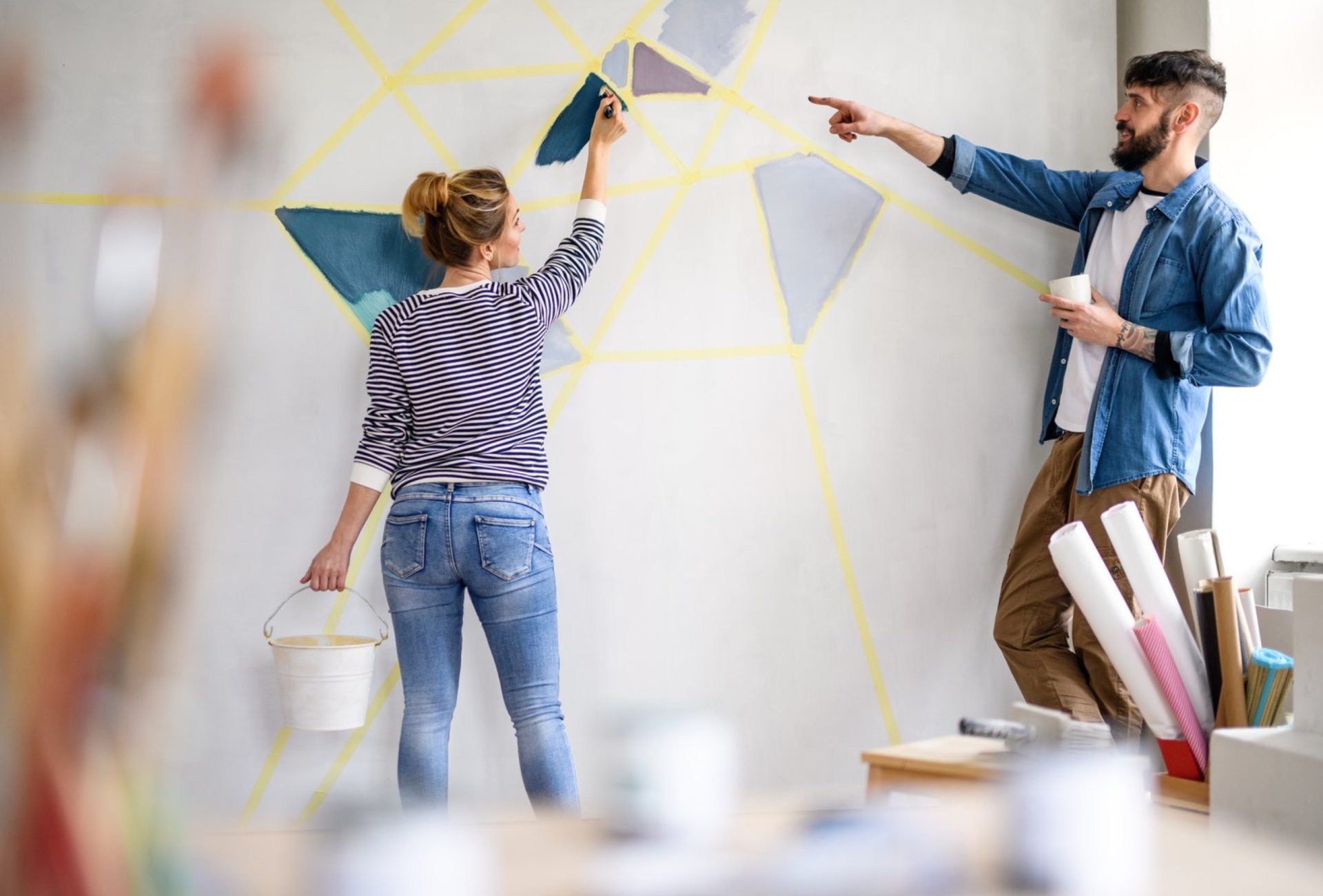
5. Not Using Painter’s Tape Properly
Improper use of painter’s tape can result in jagged lines or peeling paint.
Tips to Avoid:
- Press tape firmly along edges to prevent paint from seeping underneath.
- Remove tape while paint is slightly wet or after it dries fully to prevent peeling.
- Use high-quality painter’s tape designed for your surface.
6. Ignoring Environmental Conditions
Temperature, humidity, and wind affect how paint dries and adheres.
Tips to Avoid:
- Avoid painting on extremely hot, cold, or humid days.
- For exterior projects, check the weather forecast for rain or high winds.
- Ideal painting conditions: 50–85°F (10–29°C) with low humidity.
7. Not Allowing Enough Drying Time Between Coats
Applying the next coat too soon can lead to bubbling, streaking, and peeling.
Tips to Avoid:
- Follow manufacturer instructions for drying time.
- Wait at least 2–4 hours between coats for latex paints, longer for oil-based paints.
- Ensure proper ventilation to speed up drying indoors.
8. Poor Color Planning
Choosing the wrong color or failing to test colors can result in dissatisfaction and costly repainting.
Tips to Avoid:
- Test paint samples on a small section of the wall or exterior.
- Observe the color in different lighting conditions—morning, afternoon, and artificial light.
- Consider undertones and how they complement furniture, flooring, and exterior elements.
9. Overlooking Trim and Edge Work
Rushing trim or edge work can ruin an otherwise professional-looking paint job.
Tips to Avoid:
- Use angled brushes for trim and corners.
- Take your time when cutting in to create sharp lines.
- Consider using painter’s tape to protect walls or adjacent surfaces.
10. Neglecting Cleanup and Maintenance
Leaving brushes, rollers, or surfaces dirty can affect future painting projects.
Tips to Avoid:
- Clean brushes and rollers immediately after use.
- Store leftover paint properly in airtight containers.
- Inspect painted surfaces periodically for touch-ups and maintenance.
Conclusion
Avoiding these common painting mistakes ensures a smoother, longer-lasting, and more professional-looking finish. Proper surface prep, choosing the right tools and paint, applying thin coats, considering environmental factors, and paying attention to edges and cleanup all contribute to a successful paint project. By being mindful of these pitfalls, DIYers and professionals alike can save time, reduce frustration, and achieve a beautifully painted home.