






Wall cracks are a common problem in homes and commercial spaces, but using the right products can make repairs long-lasting and prevent future damage. From small hairline cracks to medium and large fissures, the right materials ensure a durable, smooth, and paint-ready finish. This guide highlights the top products for crack repair and explains how to use them effectively.
1. Spackle for Small Cracks and Holes
- Best for: Hairline cracks and minor nail or screw holes.
- Features: Lightweight, easy to apply, dries quickly.
- Application Tips:
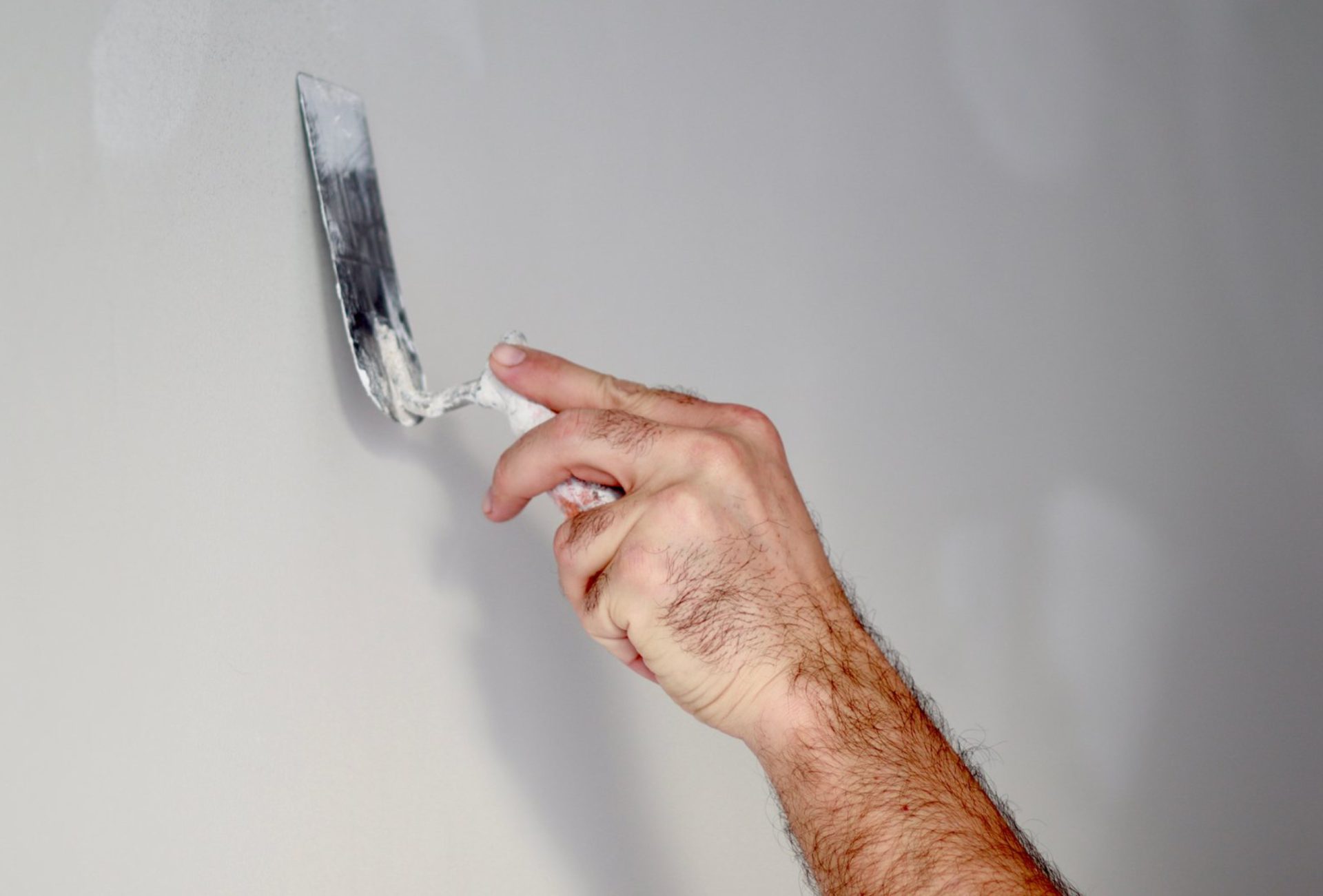
- Use a putty knife to fill the crack completely.
- Smooth the surface and feather edges into the surrounding wall.
- Sand lightly once dry and apply primer before painting.
Pro Tip: Spackle is ideal for quick, cosmetic repairs that won’t bear structural stress.
2. Joint Compound (Drywall Mud)
- Best for: Medium cracks or multiple cracks over a larger area.
- Features: Flexible, easy to sand, bonds well with mesh tape.
- Application Tips:
- Apply a thin layer over fiberglass mesh tape for reinforcement.
- Feather edges to blend with the wall surface.
- Allow each layer to dry completely before sanding and applying a second coat.
Pro Tip: Joint compound strengthens the wall surface and prevents cracks from reopening.
3. Fiberglass Mesh Tape
- Best for: Reinforcing medium to large cracks.
- Features: Prevents cracks from widening, easy to embed in joint compound.
- Application Tips:
- Place tape over the crack and press into a thin layer of joint compound.
- Cover with an additional layer of compound, feathering edges.
- Sand smooth after drying.
Pro Tip: Mesh tape is essential for long-term durability on recurring cracks.
4. Crack Repair Caulk
- Best for: Exterior cracks and areas prone to movement.
- Features: Flexible, weather-resistant, fills gaps efficiently.
- Application Tips:
- Cut the tip of the tube to match the crack width.
- Apply evenly and smooth with a putty knife or finger.
- Allow drying per manufacturer instructions before painting.
Pro Tip: Caulk is ideal for areas exposed to temperature changes, moisture, or slight structural shifts.
5. Patch Plaster or Setting-Type Compound
- Best for: Large cracks or holes requiring durable structural repair.
- Features: Hardens quickly, long-lasting, can be sanded smooth.
- Application Tips:
- Mix according to instructions and apply with a putty knife.
- Use multiple thin layers, sanding between coats for a smooth finish.
- Prime before painting.
Pro Tip: Setting-type compounds are stronger than standard spackle, perfect for structural reinforcement.
6. Epoxy Crack Fillers
- Best for: Structural cracks or concrete walls.
- Features: Extremely strong, resistant to water and temperature fluctuations.
- Application Tips:
- Clean the crack thoroughly before application.
- Inject epoxy into the crack, ensuring full penetration.
- Allow to cure completely before sanding or painting.
Pro Tip: Epoxy is ideal for long-lasting repairs on critical structural surfaces.
7. Primers for Patched Areas
- Best for: All repaired cracks.
- Features: Seals the patch, prevents paint absorption, ensures color uniformity.
- Application Tips:
- Apply a coat over the repaired crack after sanding.
- Allow primer to dry fully before painting.
Pro Tip: Primer ensures a seamless transition between patched areas and the rest of the wall.
8. Paints for a Perfect Finish
- Best for: Blending repaired cracks with surrounding wall surfaces.
- Features: Use matching paint color and sheen (matte, satin, semi-gloss).
- Application Tips:
- Apply thin, even coats, blending edges carefully.
- Multiple coats may be required for full coverage.
Pro Tip: Matching sheen and color prevents repaired areas from standing out.
9. Tips for Choosing the Right Products
- Assess the size and type of crack before selecting materials.
- Prioritize flexibility for areas prone to movement.
- Consider exterior-grade products for outdoor walls exposed to weather.
- Always follow manufacturer instructions for drying and curing times.
Pro Tip: Using high-quality, appropriate products ensures repairs are long-lasting and paint-ready.
10. When to Call a Professional
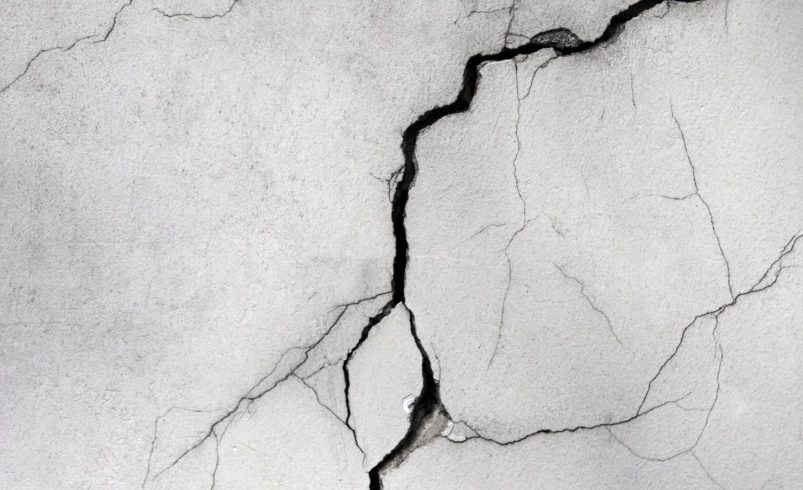
- Large or recurring cracks indicating foundation or structural issues.
- Cracks on textured surfaces or exterior walls requiring specialized materials.
- Extensive damage that needs multiple repair products and techniques.
Pro Tip: Professionals like Chicagoland Paint Pro provide expert crack repair using the best materials, ensuring walls remain smooth and durable for years.
Conclusion
Choosing the right products for crack repair is essential for long-lasting results. From spackle for small hairline cracks to epoxy for structural repairs, each material has a specific purpose. Proper preparation, application, sanding, priming, and painting ensure a flawless finish. For complex or large-scale repairs, Chicagoland Paint Pro offers professional services that restore walls to perfect condition, inside and out.